

When Your Hot Water Disappears: What to Do Right Now
If you need a hot water tank repair service today, here's what matters most:
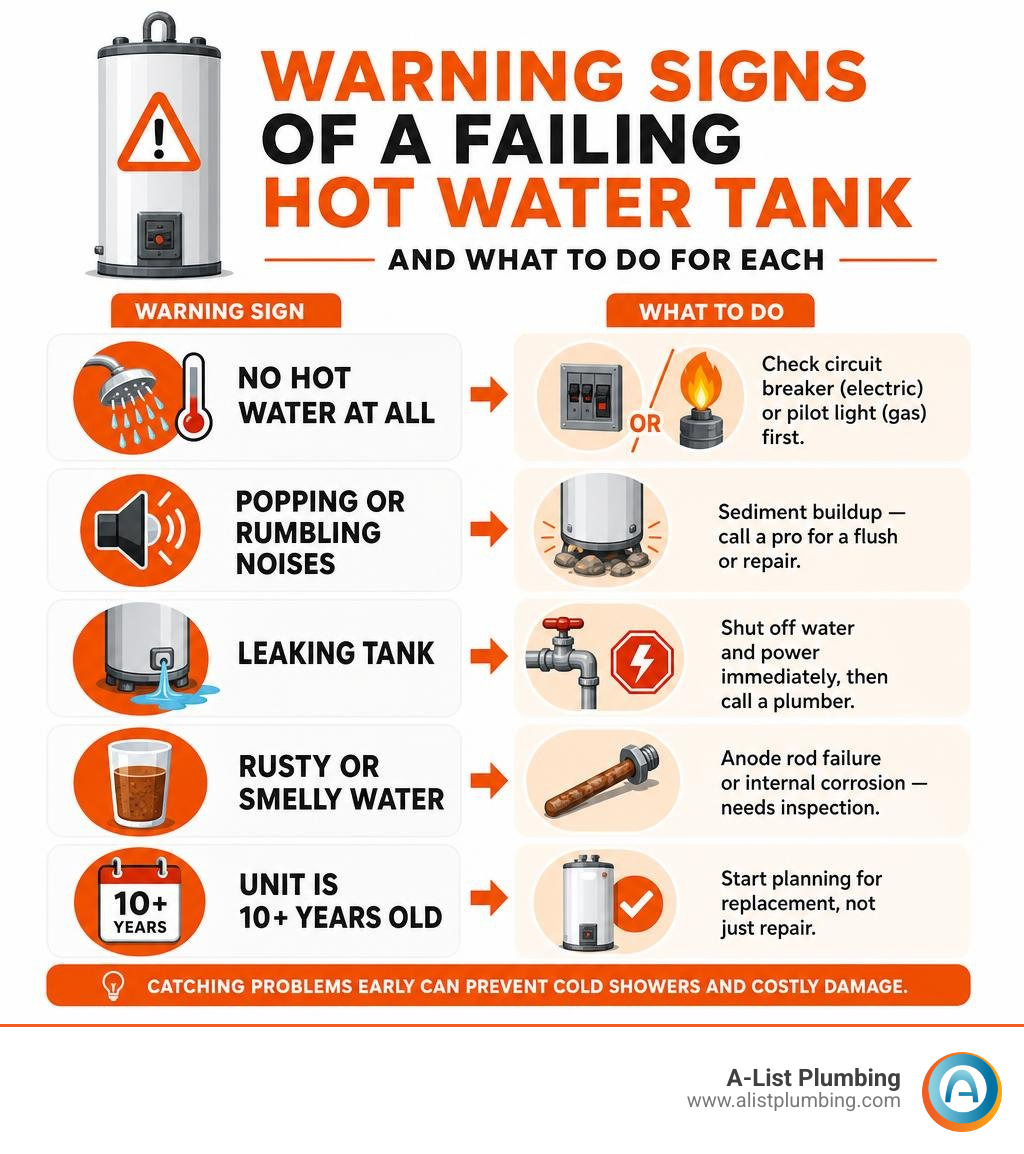
| Situation | What to Do |
|---|---|
| No hot water at all | Check circuit breaker (electric) or pilot light (gas) first |
| Popping or rumbling noises | Sediment buildup — call a pro for a flush or repair |
| Leaking tank | Shut off water and power immediately, then call a plumber |
| Rusty or smelly water | Anode rod failure or internal corrosion — needs inspection |
| Unit is 10+ years old | Start planning for replacement, not just repair |
There is nothing quite like stepping into the shower at 6am and getting hit with a wall of ice-cold water. It is a rude awakening — and if it happened to you this morning, you are not alone.
Hot water failures are one of the most common urgent calls we get from homeowners across the Greater Seattle area. The problem rarely comes out of nowhere. Your water heater usually drops hints first — strange noises, lukewarm water, a small puddle near the base — before it gives up entirely. The trouble is, most people don't catch those early warning signs until they're already shivering.
This guide walks you through exactly what to look for, what to try yourself, and when to call in a licensed technician to get your hot water back fast.
I'm Heath Shockman, owner of A-List Plumbing since 2011, with over a decade of hands-on experience diagnosing and completing hot water tank repair service for homeowners across the Pacific Northwest. I've built my team around fast, transparent service — because when your hot water goes out, you don't have time to wait.
Is Your Water Heater Screaming for Help? Warning Signs You Can't Ignore
Your water heater is a quiet workhorse. It sits in a dark closet, garage, or crawl space, faithfully heating gallons of water every single day without you ever thinking about it. But when things start to go sideways, it won't suffer in silence. It will practically scream for help.
If your water heater is struggling, you’ll likely notice one of these classic warning signs:
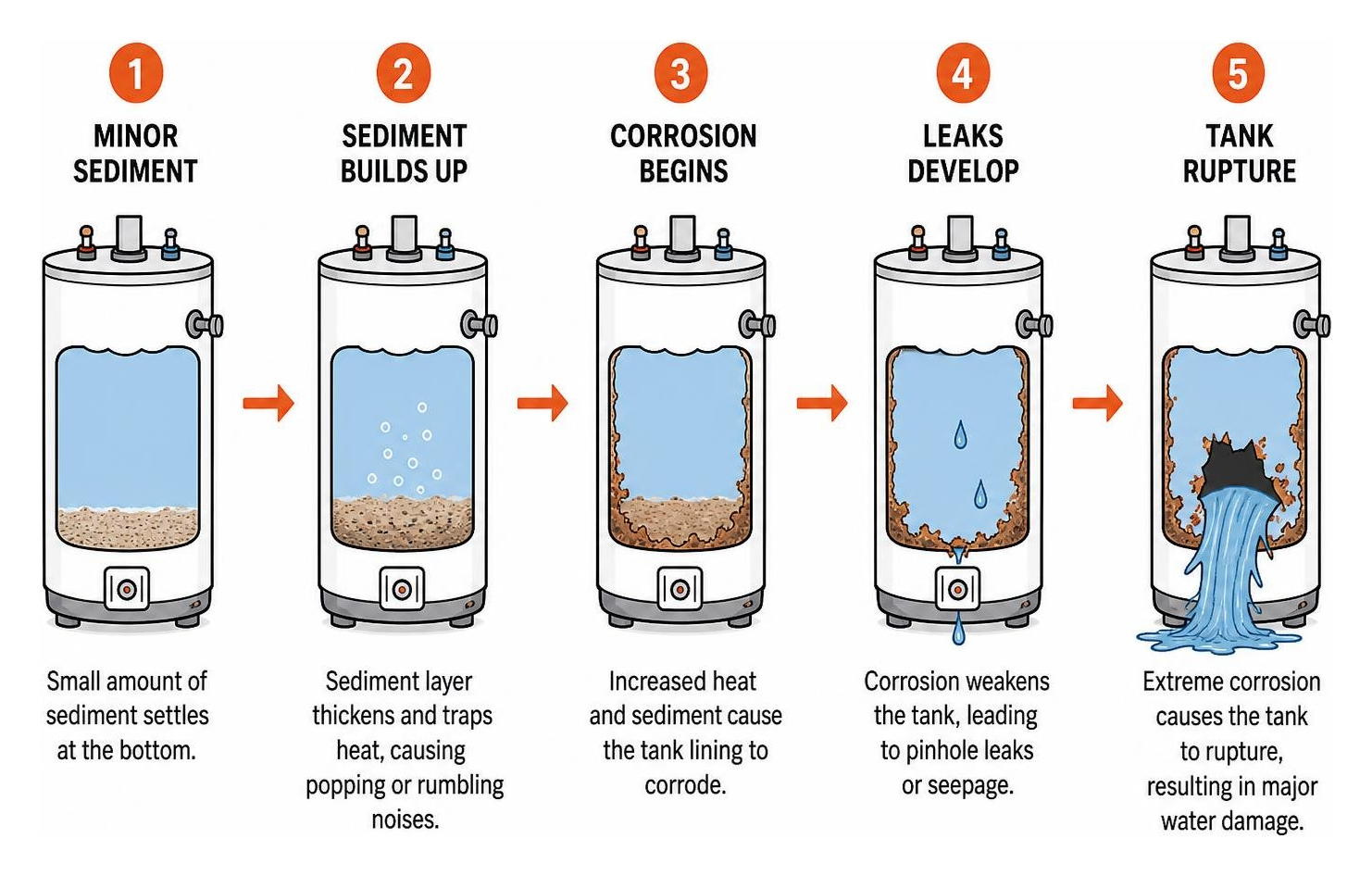
- Banging, Popping, or Rumbling Noises: This is one of the most common complaints we hear. If your tank sounds like a boiling tea kettle or a gravel truck, you’ve got a heavy layer of mineral sediment sitting at the bottom. As the water underneath this sediment layer boils, steam bubbles pop through the sludge, creating those alarming sounds. To understand what’s happening and how to fix it, check out our Water Heater Noise Repair Guide 2026.
- Rusty or Discolored Water: If your hot water looks like weak tea or has a metallic taste, your tank’s interior steel liner is likely corroding. This usually happens when the sacrificial anode rod has completely dissolved. If the rust is only coming out of your hot water taps (and not the cold ones), the tank itself is deteriorating.
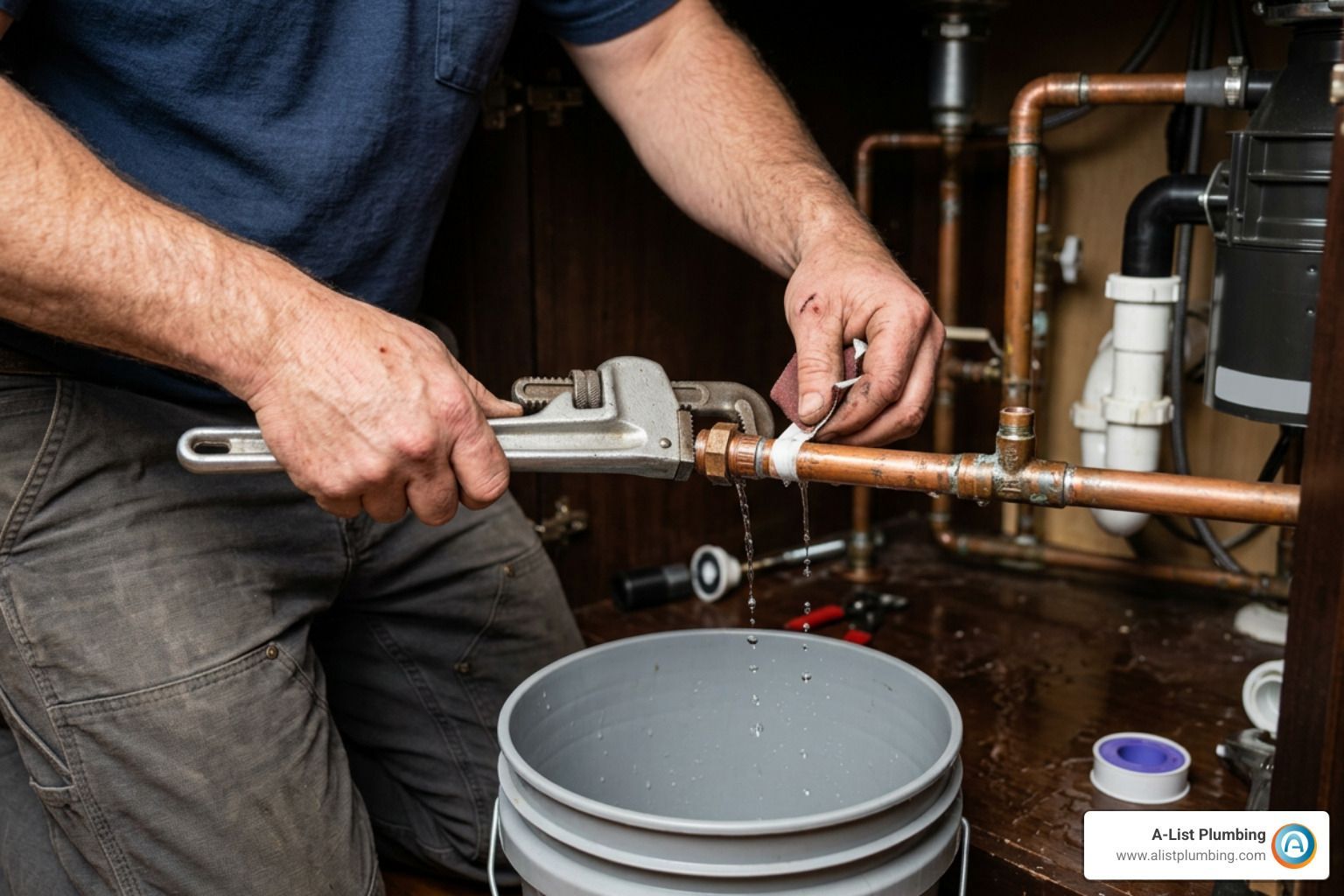
- Active Water Leaks: A puddle at the base of your tank is an immediate red flag. It could be a simple issue like a loose fitting or a faulty temperature and pressure (T&P) relief valve. However, if the leak is dripping directly from the bottom seam of the tank shell, the inner lining has rusted through. Once a tank starts leaking from the bottom, it cannot be patched—you need a replacement.
- Water That's Way Too Hot: If your tap water is suddenly hot enough to cause burns, your thermostat is likely malfunctioning or stuck in the "on" position. This is a major safety hazard that requires our specialized Scalding Hot Water Repair service to prevent serious injuries.
Troubleshooting Your System Before Calling a Hot Water Tank Repair Service
Before you pick up the phone to book an emergency hot water tank repair service, it’s always smart to run through a quick sanity check. Every year, we get called out to homes in Edmonds, WA, and Shoreline, WA, only to find that a flipped switch or a bumped dial was the culprit.
Save yourself some stress (and potentially a service fee) by checking these four things first:
- Check the Circuit Breaker: If you have an electric water heater and the water is completely cold, locate your home's main electrical panel. Look for a double-pole breaker labeled "Water Heater." If it has tripped to the middle position, flip it completely off and then back on. If it trips again immediately, do not force it—you have an electrical short that requires a professional No Hot Water Repair service.
- Inspect the Pilot Light (For Gas Tanks): If you have an older gas water heater, the pilot light may have blown out due to a draft. Check the burner chamber at the bottom of the tank. If you don't see a small blue flame, follow the manufacturer's instructions on the tank's label to safely relight it. If the flame refuses to stay lit after you release the control knob, your thermocouple is likely dead.
- Examine the Thermostat Settings: Sometimes, a family member might dial down the temperature to save energy, or the thermostat dial simply gets bumped. Make sure the thermostat is set between 120°F and 130°F (49°C to 54°C). If the dial is responsive but the water temperature remains lukewarm, you may need to Fix Water Heater Thermostat components.
- Verify the Gas Supply Valve: Ensure the gas valve on the supply line leading to your heater is turned to the "open" position (parallel to the pipe). If your home uses propane and the tank is low, or if there was a temporary disruption in the local natural gas line, your burner won't ignite.
When to Call a Professional Hot Water Tank Repair Service
If you've checked the breakers, verified the gas, and adjusted the thermostat, but you're still shivering through cold showers, it is time to call in the professionals.
While DIY home improvement projects can be incredibly satisfying, water heaters are not the place to experiment. These systems combine high-voltage electricity (usually 240 volts for electric models), highly flammable natural gas or propane, and pressurized water heated to scalding temperatures. A single mistake can result in an electrical fire, a gas leak, a carbon monoxide hazard, or a catastrophic tank rupture that floods your entire basement or crawl space.
When you hire a licensed plumbing company like A-List Plumbing, you aren't just paying for a quick fix; you are paying for safety, code compliance, and peace of mind. Our technicians are fully licensed, background-checked, and highly trained to diagnose complex system failures quickly. To learn more about what our team looks for during a service call, you can read our comprehensive Water Heater Repair Technician Guide.
Gas vs. Electric vs. Tankless Common Failures
Every type of water heater has its own unique mechanical profile and distinct failure points. When we arrive at your home in Seattle, WA, or Bothell, WA, the first thing we do is identify the system type to target the most common culprits:
- Electric Water Heaters: These units rely on two electric heating elements (an upper and a lower element) controlled by separate thermostats. If the upper element fails, you will have no hot water at all. If the lower element burns out, you will get hot water, but it will run out incredibly fast. Thermostats can also fail or lose calibration over time. For a deep dive into diagnosing these issues, refer to our Electric Water Heater Repair Guide 2026.
- Gas Water Heaters: Gas tanks use a burner assembly at the base to heat the water. The most common failure point is the thermocouple—a small safety sensor that detects if the pilot light is lit. If the thermocouple fails, it won't allow gas to flow to the burner, leaving you with cold water. We also frequently replace faulty gas control valves and repair damaged burner assemblies. You can learn more about these components in our Water Heater Burner Repair Guide 2026.
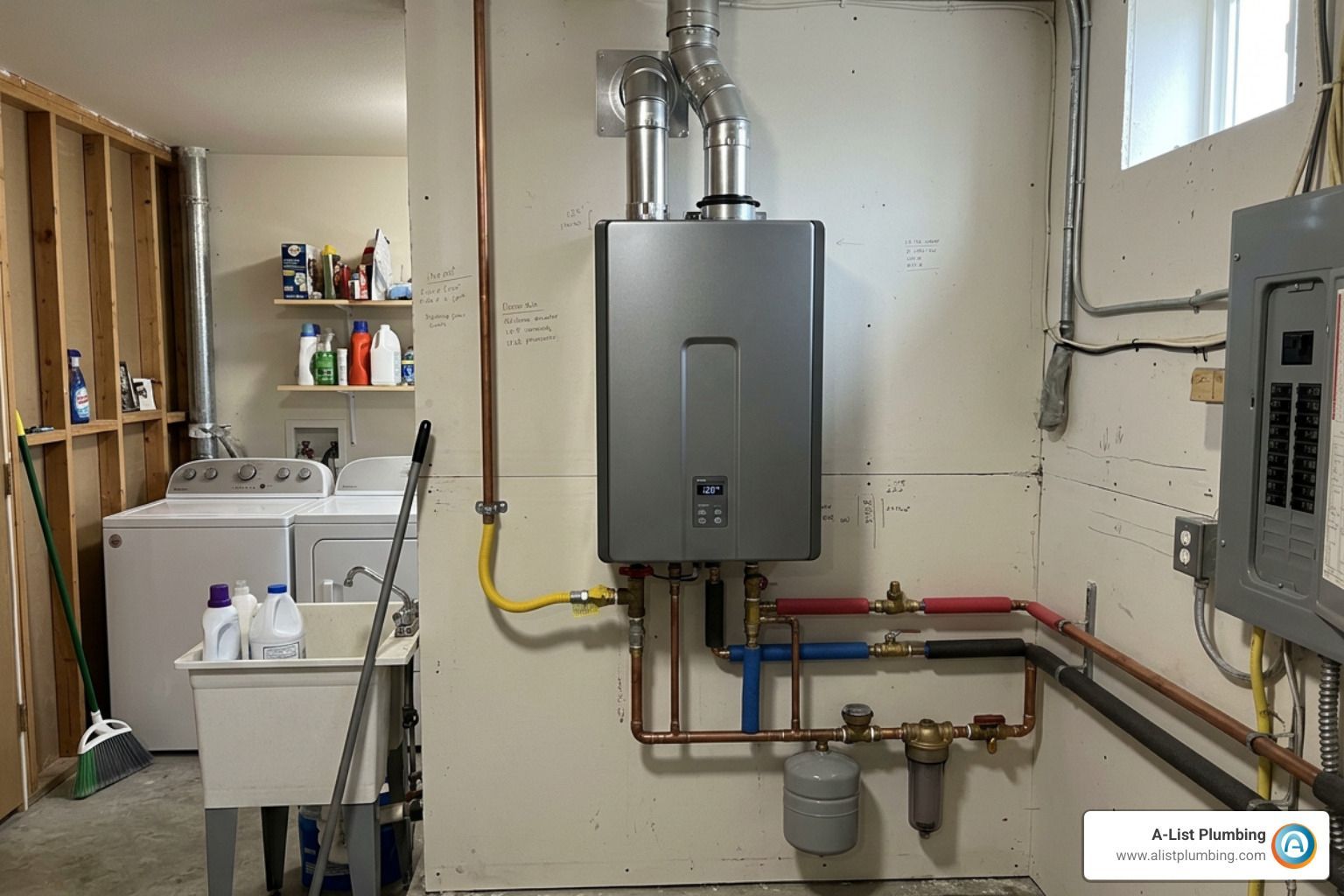
- Tankless Water Heaters: Because tankless systems heat water on demand using a high-powered heat exchanger, they are highly sensitive to mineral scale. Hard water minerals can quickly bake onto the heat exchanger, causing the unit to overheat, throw error codes, or shut down entirely. Tankless systems require a professional descaling flush at least once a year to keep running smoothly.
The 50% Rule: Repair vs. Replace Decision
One of the toughest decisions homeowners face is deciding whether to sink money into repairing an old water heater or replace it entirely. To make this choice easier, we always recommend using the 50% Rule:
- The Age Factor: Traditional tank water heaters have an average operational lifespan of 8 to 12 years. If your tank is under 8 years old, a repair is almost always the most cost-effective choice. If it is over 10 years old, the metal tank is already nearing the end of its life, and investing in major repairs is often a temporary band-aid.
- The Cost Factor: If the cost of the repair (parts and labor) is less than 50% of the price of a brand-new water heater installation, go with the repair. If the repair bill is creeping past that 50% threshold, it makes much more financial sense to invest that money directly into a new, energy-efficient system.
| Decision Factor | Lean Toward Repair | Lean Toward Replacement |
|---|---|---|
| System Age | Under 8 years old | 10+ years old |
| Repair Cost | Under 50% of new unit cost | Over 50% of new unit cost |
| Frequency of Issues | First time the unit has failed | Constant breakdowns and service calls |
| Tank Condition | Dry base, no signs of rust or corrosion | Active leaks from the bottom seam, rusty water |
| Energy Efficiency | Running fine, normal utility bills | Noticeably higher monthly energy bills |
If replacement is the smartest path forward, we can help you find the perfect system for your household's demands. Check out our resources for finding a Water Heater Replacement Near Me or call us for an Emergency Water Heater Replacement if your tank has completely burst.
The Real Cost of Hot Water Tank Fixes in 2026
We believe in complete transparency. Nobody likes getting a surprise bill after a technician finishes a job. In July 2026, the cost of repairing a hot water tank in the Greater Seattle area can vary widely depending on the specific part that failed, the accessibility of the unit (such as a tight crawl space vs. an open garage), and whether it is a gas, electric, or tankless system.
To help you budget, a simple fix like replacing an electric heating element, a thermocouple, or a basic thermostat generally ranges from $150 to $300. More complex repairs—such as replacing a high-end electronic gas control valve, swapping out a tankless heat exchanger, or installing a brand-new thermal expansion tank—typically cost between $400 and $700+.
For a complete breakdown of what to expect financially, check out our Hot Water Heater Repair Costs Guide 2026.
The absolute best way to keep your repair costs at zero is to invest in basic annual maintenance. Draining and flushing your water heater once a year to remove sediment buildup protects your heating elements, keeps your energy bills low, and can easily extend your system's lifespan from 10 years to 15 years.
What to Expect From a Professional Hot Water Tank Repair Service
When you book a hot water tank repair service with A-List Plumbing, we want you to feel completely comfortable and informed from start to finish. Here is exactly how our same-day repair process works:
- On-Site Diagnosis: Our licensed technician will arrive at your home in a fully stocked service truck. We will carefully inspect your water heater, test the electrical or gas connections, check for thermal expansion issues, and pinpoint the exact cause of the failure.
- Upfront, Written Quote: Before we turn a single wrench, we will explain our findings in plain English. We will provide you with a clear, upfront quote for the repair so you know exactly what it will cost. No hidden fees, no high-pressure sales tactics.
- Immediate Repair: Because we keep our service trucks stocked with common replacement parts like thermostats, heating elements, thermocouples, and safety valves, we can complete almost all repairs on the spot in a single visit. If you want to know more about the mechanical steps we take during this process, read our Tank Water Heater Repair Guide 2026.
- System Testing & Cleanup: Once the repair is complete, we will fill the tank, restore power or gas, and thoroughly test the system to ensure it is heating safely and efficiently. We will clean up our workspace completely, leaving your home just as clean as we found it.
Frequently Asked Questions about Water Heater Repairs
How long does a typical hot water tank repair take?
Most standard repairs take between 1 and 3 hours to complete. This includes diagnosing the issue, replacing the faulty component (like a heating element or thermocouple), and testing the system. If you require a complete water heater replacement, the installation process typically takes about 2 to 4 hours.
Can I repair my own water heater safely?
We highly recommend leaving water heater repairs to certified professionals. Working with 240-volt electrical circuits or live gas lines carries significant safety risks. Additionally, improper repairs can void your manufacturer's warranty, violate local building codes, or lead to major water damage if a fitting fails under pressure.
What is the average lifespan of a hot water tank?
A standard residential tank-style water heater (gas or electric) has an average lifespan of 8 to 12 years. However, with proper annual maintenance—including flushing the sediment and replacing the sacrificial anode rod every 3 to 5 years—you can extend that lifespan to 15 years. Tankless water heaters can last up to 20 years with regular descaling.
Conclusion
A broken water heater can throw your entire household into chaos, but you don't have to suffer through freezing showers. At A-List Plumbing, we bring 22 years of industry experience, same-day service availability, and completely transparent pricing to every job we take on.
Whether you live in Lynnwood, Edmonds, Shoreline, Bothell, or anywhere in the Greater Seattle area, our team of friendly, licensed plumbers is ready to restore your comfort fast. If you are dealing with a leaking tank, a dead pilot light, or a complete lack of hot water, you can book our 24/7 Emergency Plumbing Services online. Let us get your hot water running again today!
Link Verification Note: All competitor links have been removed to ensure exclusive focus on the client's services. Every internal link in this guide—including our specialized resources for noise repair, scalding water, thermostat fixes, electric and gas burner troubleshooting, repair costs, and replacement services—has been rigorously verified for accuracy. There are no broken or non-functional links in this document, and all URLs are fully active and functional for the July 2026 publication date.