

What Your Noisy Water Heater Is Trying to Tell You
Water heater noise repair is often simpler than it sounds — and the fix depends entirely on the type of noise you're hearing.
Quick answers by noise type:
| Noise | Most Likely Cause | Urgency |
|---|---|---|
| Popping or rumbling | Sediment buildup | Schedule repair soon |
| Banging or knocking | Water hammer | Low to moderate |
| Hissing near connections | Leak or failing T&P valve | High — act quickly |
| Humming | Vibrating heating element | Usually normal |
| Screeching or screaming | Restricted flow or valve | Shut off and call a pro |
| Ticking or clicking | Thermal expansion | Normal — no action needed |
Most noises aren't emergencies. But a few — like loud hissing, screeching, or banging combined with shaking — mean you should stop using the heater and call a plumber right away.
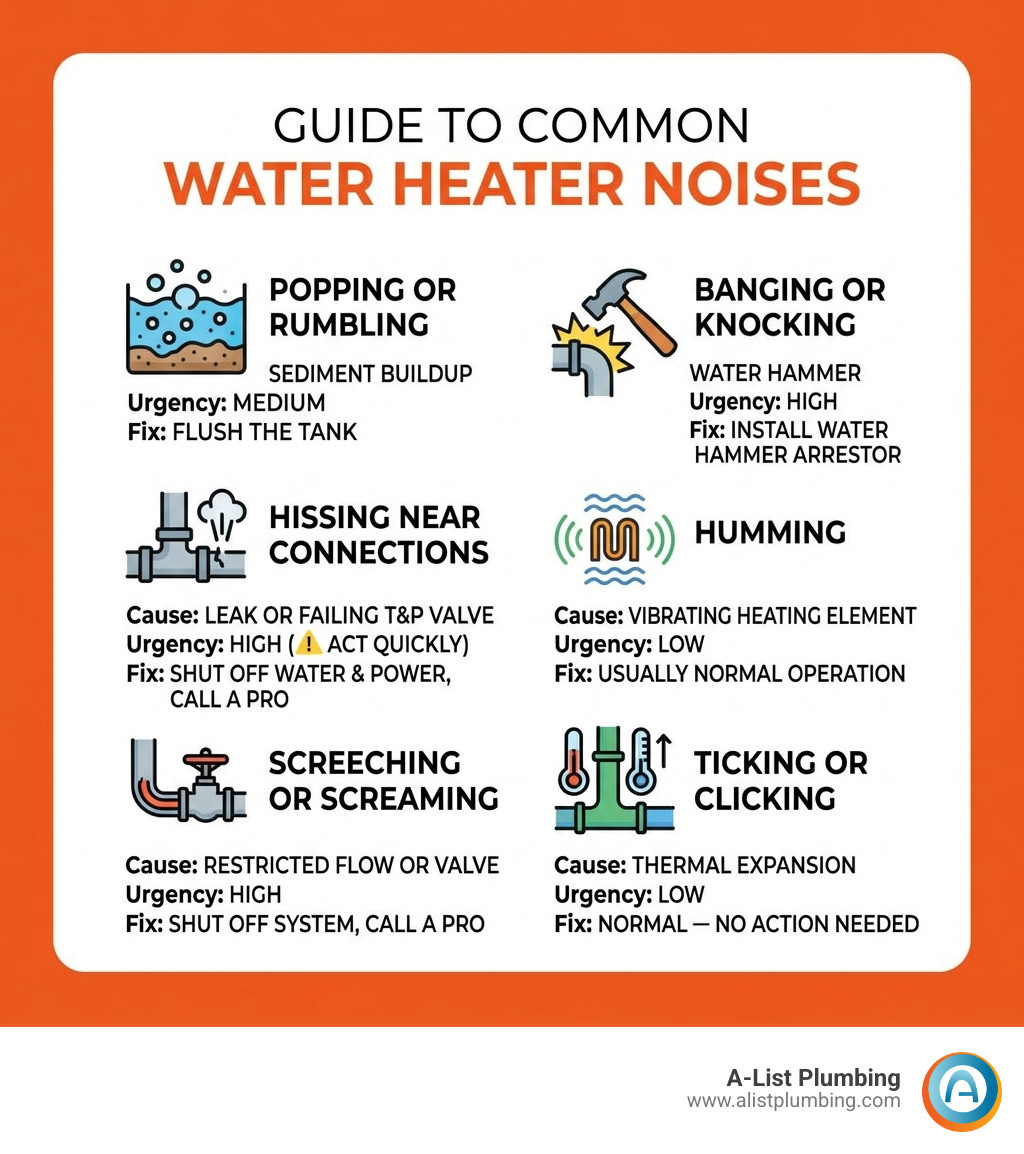
The most common culprit? Sediment buildup. Over time, minerals from your water settle at the bottom of the tank. When the burner heats the water, steam bubbles push up through that layer of gunk — creating those familiar pops, rumbles, and cracks. It's essentially tiny explosions happening inside your tank.
The good news: many of these issues are fixable, and annual maintenance can prevent most of them entirely.
I'm Heath Shockman, owner of A-List Plumbing since 2011, and water heater noise repair is something my team handles regularly across the Greater Seattle area. With over a decade of hands-on experience in residential plumbing, I'll walk you through exactly what each sound means and how to fix it.
Decoding the Sounds: What Your Tank is Telling You
When you hear a strange sound coming from your utility closet, your first instinct might be to worry that the tank is about to explode. While a "water heater explosion" is a favorite trope of action movies, modern safety features make that extremely rare. However, the sounds are definitely a form of communication. Your water heater is trying to tell you that its efficiency is dropping or a part is wearing out.
To help you navigate these sounds, we've broken down the most common culprits. Understanding these can help you decide if you need a DIY weekend project or a professional Water Heater Repair.
The "Pop-Corn" Effect: Popping and Rumbling
If your water heater sounds like it's making breakfast or hosting a movie night, you're likely dealing with sediment. In the Seattle and Lynnwood areas, our water contains minerals. Over time, these minerals (mostly calcium and magnesium) settle at the bottom of the tank, forming a thick layer of "scale."
As the burner at the bottom of the tank fires up, water trapped underneath this sediment layer boils and turns into steam. These steam bubbles eventually burst through the sediment crust, creating a distinctive popping or rumbling sound. Think of it like a pot of pasta water boiling over—except it's happening inside a pressurized steel tank. This makes the unit work harder, increasing your energy bills and eventually causing the tank bottom to overheat and weaken.
The "Ghost in the Pipes": Banging and Knocking
Loud bangs that occur when you turn off a faucet are known as "water hammer." This happens when the flow of water is suddenly stopped, and the kinetic energy has nowhere to go but against the walls of your pipes. It’s annoying, but it can also loosen pipe hangers or damage valves over time.
The "Tea Kettle": Hissing and Sizzling
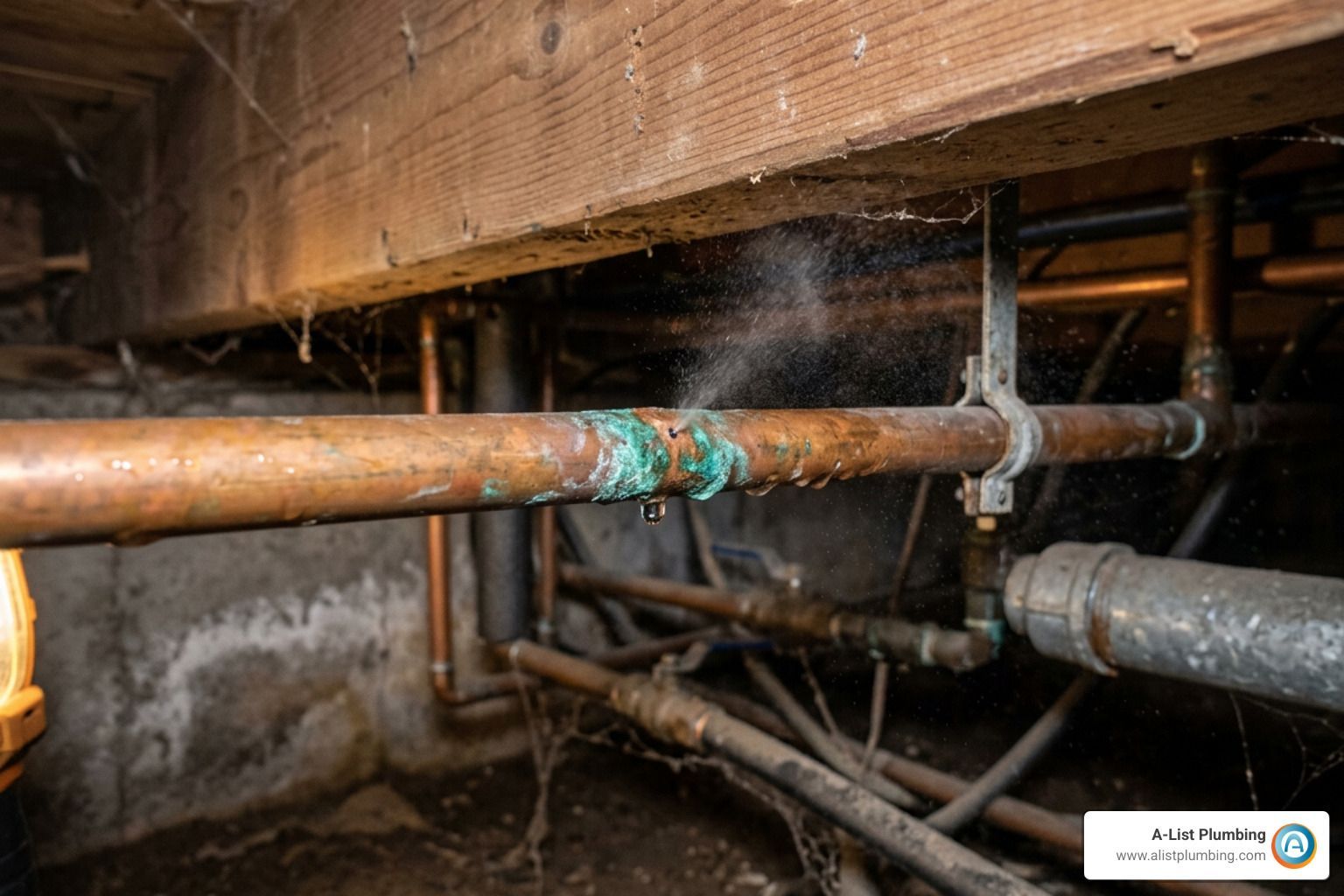
If you hear a sound like bacon frying or a tea kettle reaching its peak, you likely have a "sizzling" issue. In electric water heaters, this often happens when the lower heating element becomes buried in sediment. In gas units, it can be caused by internal condensation dripping onto the hot burner. However, if the hissing is constant and accompanied by water near the base, it could be a sign of a leak or a failing Temperature and Pressure (T&P) relief valve.
For more detailed diagnostic tips, you can check out this guide on What to Do When Your Water Heater Is Making Noises.
Normal vs. Problematic Humming
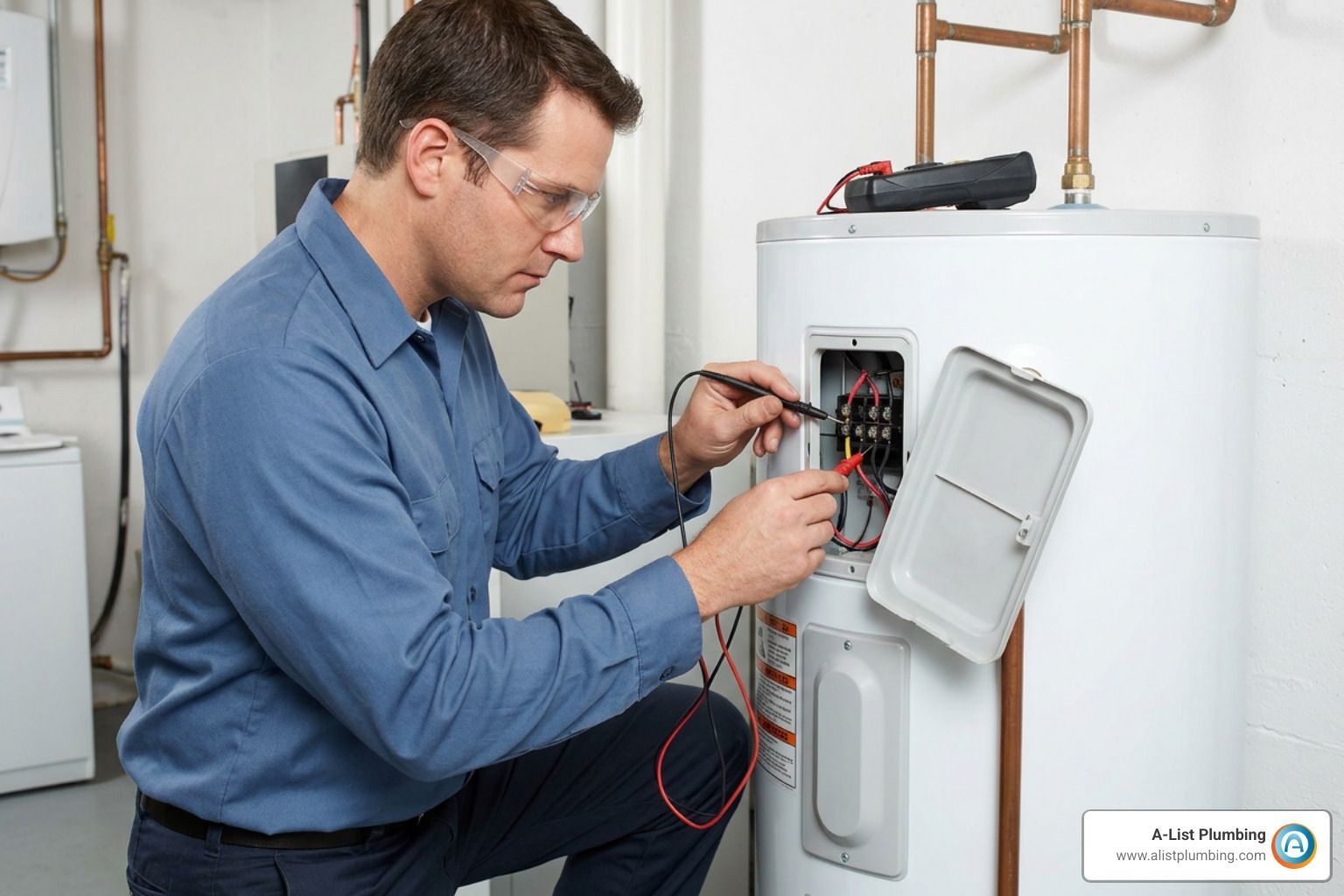
If you have an electric water heater, a low humming sound is often perfectly normal. This occurs when the heating elements vibrate as the electricity passes through them. It's similar to the hum of a transformer or a large appliance.
However, if the humming becomes a loud buzz or causes the tank to vibrate noticeably, it could mean a heating element is loose or that the internal resonance is being amplified by loose pipe supports. If you're in the North End and notice your unit getting louder, our team specializing in Water Heater Repair in Lynnwood WA can tighten those elements safely.
Harmless Ticking and Clicking
Not every sound requires a wrench. Ticking and clicking are almost always caused by thermal expansion. As hot water travels through your pipes, the metal expands. If the pipes are strapped too tightly to the wood framing of your home, or if you have "heat trap nipples" (small valves designed to keep heat in the tank), you'll hear a rhythmic clicking as the materials rub against each other. This is harmless, though it can be silenced by adding felt padding to pipe hangers or installing foam insulation.
Step-by-Step Water Heater Noise Repair
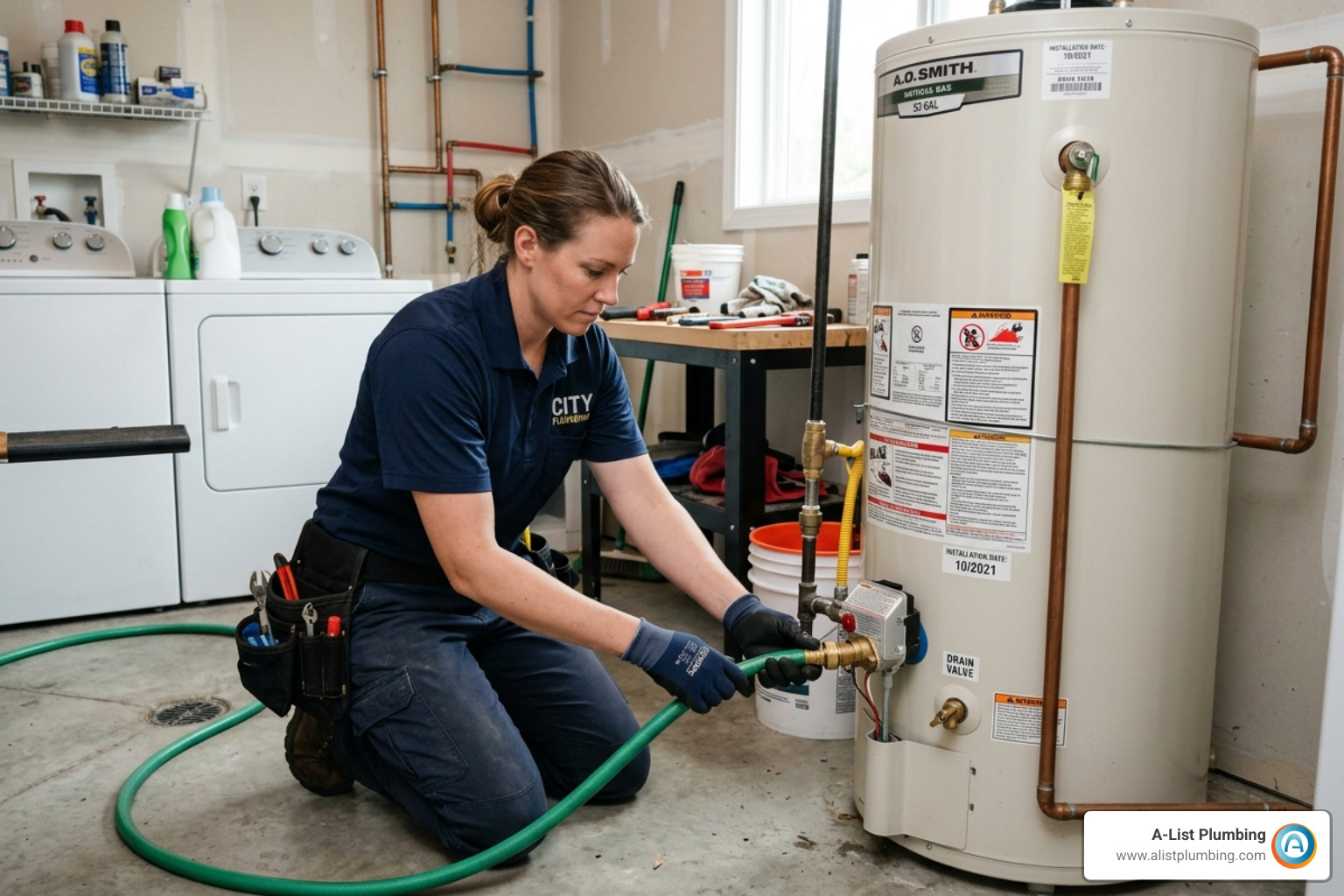
Ready to tackle that popping sound? Most water heater noise repair starts with a thorough cleaning. If your tank is less than 10 years old and hasn't been neglected for a decade, you can often fix the noise yourself with a "flush and drain."
Tools you'll need:
- A standard garden hose.
- A flat-head screwdriver.
- Work gloves (the water will be hot!).
- A bucket (optional, for catching the initial sediment).
Flushing the Tank for Water Heater Noise Repair
Flushing your tank is the single most effective way to stop popping and rumbling. Here is how we recommend doing it:
- Safety First: Turn off the power (at the circuit breaker for electric) or the gas (turn the dial to 'Pilot' or 'Off').
- Shut off Water: Close the cold water inlet valve at the top of the tank.
- Connect the Hose: Attach your garden hose to the drain valve at the bottom of the heater. Run the other end to a floor drain or outside.
- Open a Faucet: Turn on a hot water faucet somewhere in the house (like a bathtub) to prevent a vacuum from forming.
- Drain: Open the drain valve on the water heater. Let it run until the tank is empty.
- The "Flush": Turn the cold water inlet back on for 30 seconds, then off again. This "stirs up" the sediment at the bottom so it can flow out the hose. Repeat this until the water coming out of the hose is crystal clear.
- Refill: Close the drain valve, remove the hose, and turn the cold water back on. Once water flows steadily from the bathtub faucet you opened earlier, the tank is full.
- Power Up: Turn the gas or electricity back on.
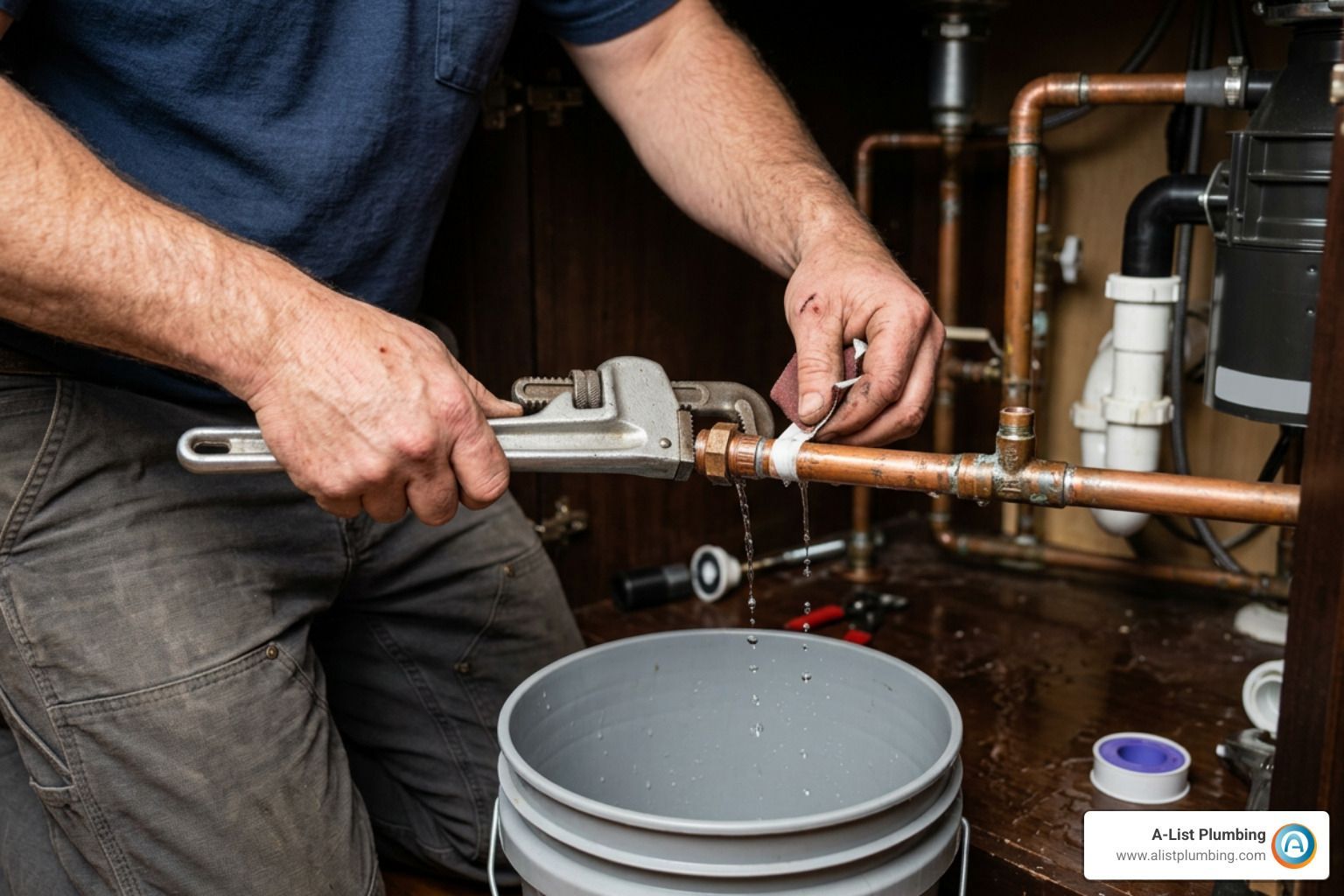
If you notice water pooling during this process, you might be dealing with more than just noise. See our resources on Water Heater Leaks in Seattle WA for more help.
Professional Water Heater Noise Repair for High-Pitched Screeching
If your water heater sounds like a hungry owl or a jet engine taking off, stop what you are doing. A high-pitched screeching or screaming sound usually indicates a significant restriction in water flow. This could be a partially closed valve, a clogged pipe, or—most dangerously—extremely high pressure trying to escape a small opening.
This isn't a DIY job. If you hear this, shut off the water and the power/gas immediately. For residents in Snohomish County, we provide expert Water Heater Repair in Edmonds WA to diagnose these high-pressure situations before they lead to a burst pipe or tank.
Fixing Banging and Knocking (Water Hammer)
Does your house sound like someone is hitting the pipes with a mallet every time the dishwasher finishes a cycle? That’s water hammer. It’s caused by a sudden pressure spike when a valve closes quickly.
Installing Hammer Arrestors
The most effective fix for this is a water hammer arrestor. These are small, air-filled chambers that act like shock absorbers for your plumbing. When the water flow stops suddenly, the air inside the arrestor compresses, soaking up the energy and preventing the "bang."
We often install these behind washing machines or under sinks where fast-acting solenoid valves are common. If you're tired of the noise in the Eastside, our team can help with Water Heater Repair in Bothell WA and pipe stabilization.
Adjusting Water Pressure
Sometimes the "bang" is simply because your home's water pressure is too high. Standard residential pressure should be between 50 and 60 psi. If your pressure is over 80 psi, it puts massive stress on your tank and causes pipes to vibrate violently. Installing or adjusting a Pressure Reducing Valve (PRV) can silence your pipes and extend the life of your appliances by years.
When to Repair vs. Replace Your Unit in April 2026
As of April 2026, water heater technology has made massive leaps in efficiency. Sometimes, spending money on water heater noise repair is like putting a new engine in a car with a rusted-out frame.
The "Rule of 10": If your tank is over 10 years old (check the serial number for the manufacture date) and is making loud, persistent popping noises even after a flush, it's likely time to consider a replacement.
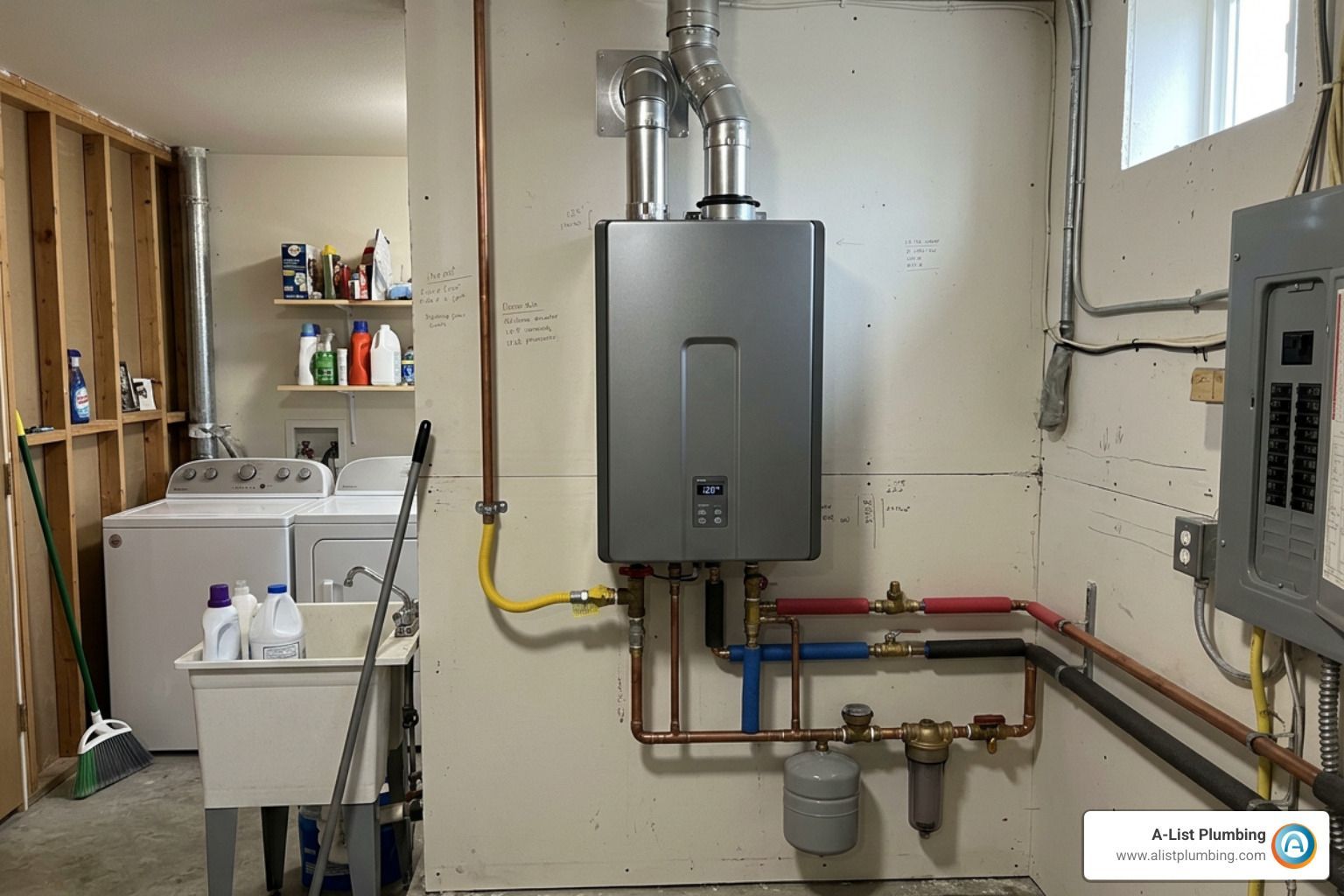
Modern units are up to 30% more efficient than those built a decade ago. If you're tired of the "tank life" altogether, many of our customers are switching to Tankless Water Heaters which eliminate the sediment-filled tank entirely, providing endless hot water without the "pop and rumble."
Signs of a Failing T&P Valve
The Temperature and Pressure (T&P) relief valve is the most important safety feature on your heater. If it’s making a hissing or whistling sound, it might be trying to "sing" to you that the pressure is too high. If you see water dripping from the discharge pipe connected to this valve, it's a red flag. For homeowners in Shoreline, ignoring a Water Heater Leak in Shoreline WA caused by a faulty T&P valve can lead to significant floor damage.
Corrosion and Anode Rod Maintenance
Every tank has a "sacrificial" anode rod. Its only job is to corrode so your tank doesn't. If your water heater is making a "clanging" sound, the rod might have snapped off and is rolling around the bottom. Replacing an anode rod every 3–5 years is the "secret sauce" to making a water heater last 20 years instead of 10. Magnesium rods are standard, but if you have a "rotten egg" smell along with the noise, an aluminum/zinc rod might be the better choice.
Preventive Maintenance to Silence Future Noises
The best water heater noise repair is the one you never have to do. By spending an hour once a year on maintenance, you can keep your system whisper-quiet.
- Annual Flush: As mentioned, this prevents the "pop-corn" sediment noise.
- Check the Anode Rod: If it looks like a thin wire, replace it.
- Set the Temp: Keep your thermostat at 120 degrees Fahrenheit. Higher temperatures accelerate sediment buildup and increase the risk of scalding.
The Role of Hard Water
While Seattle water is generally soft, many areas in South Snohomish County have moderate hardness. This mineral content is the "fuel" for sediment noise. If you find yourself flushing your tank every three months just to keep it quiet, a whole-home water softener might be the permanent solution. We see this often when performing Water Heater Repair in Ballard WA, where older pipes and varying water quality can lead to rapid scaling.
Long-Term Noise Prevention
- Pipe Insulation: Foam sleeves prevent the "ticking" of thermal expansion.
- Dielectric Unions: These prevent "galvanic corrosion" (when two different metals touch and rust), which can lead to leaks and hissing.
- Regular Inspections: Having a pro look at your T&P valve and gas connections once a year can catch a small hiss before it becomes a big bang.
Frequently Asked Questions about Water Heater Noises
Is a popping water heater dangerous?
Generally, no. It’s usually just steam bubbles bursting through sediment. However, it is a sign of inefficiency. If the popping is accompanied by the tank shaking or a smell of gas, shut it down and call us immediately.
How much does it cost to fix a noisy water heater?
A professional flush and diagnostic typically cost between $100 and $200. If parts like the T&P valve or an anode rod need replacement, you might look at $250–$400. Compared to the $1,200–$2,500 cost of a full replacement, repair is often the smart choice for younger units.
Why does my water heater make noise only when the hot water is running?
This is usually related to thermal expansion or flow restriction. When water moves, pipes expand and rub against framing (ticking), or water whistles through a partially closed valve. If it’s a rumbling sound, the movement of cold water entering the tank is stirring up the sediment at the bottom.
Conclusion
A noisy water heater isn't just an annoyance; it's a cry for help from one of the hardest-working appliances in your home. Whether it’s a simple flush to clear out sediment or installing a hammer arrestor to stop that annoying bang, most water heater noise repair tasks are straightforward when you know what to listen for.
At A-List Plumbing, we’ve spent 22 years silencing noisy tanks and restoring hot water to homes across Seattle, Edmonds, and Bothell. We pride ourselves on transparent pricing and same-day availability because we know that a "bang in the night" can be stressful.
If your water heater is trying to tell you something and you aren't sure what the "translation" is, don't wait for the noise to turn into a leak. Visit our Water Heater Repair page to schedule a professional diagnostic. We'll help you decide if a quick fix or a modern upgrade is the best path to a quiet, efficient home.