

When Scalding Hot Water Becomes a Safety Emergency
Scalding hot water repair is something every homeowner should take seriously — dangerously hot water can cause severe burns in a matter of seconds, especially for young children and older adults.
Here's a quick overview of the most common causes and fixes:
| Cause | Quick Fix |
|---|---|
| Thermostat set too high | Lower to 120°F |
| Faulty or stuck thermostat | Adjust or replace |
| Shorted heating element | Professional replacement |
| Sediment/mineral buildup | Flush the tank |
| Blocked TPR valve | Inspect and replace |
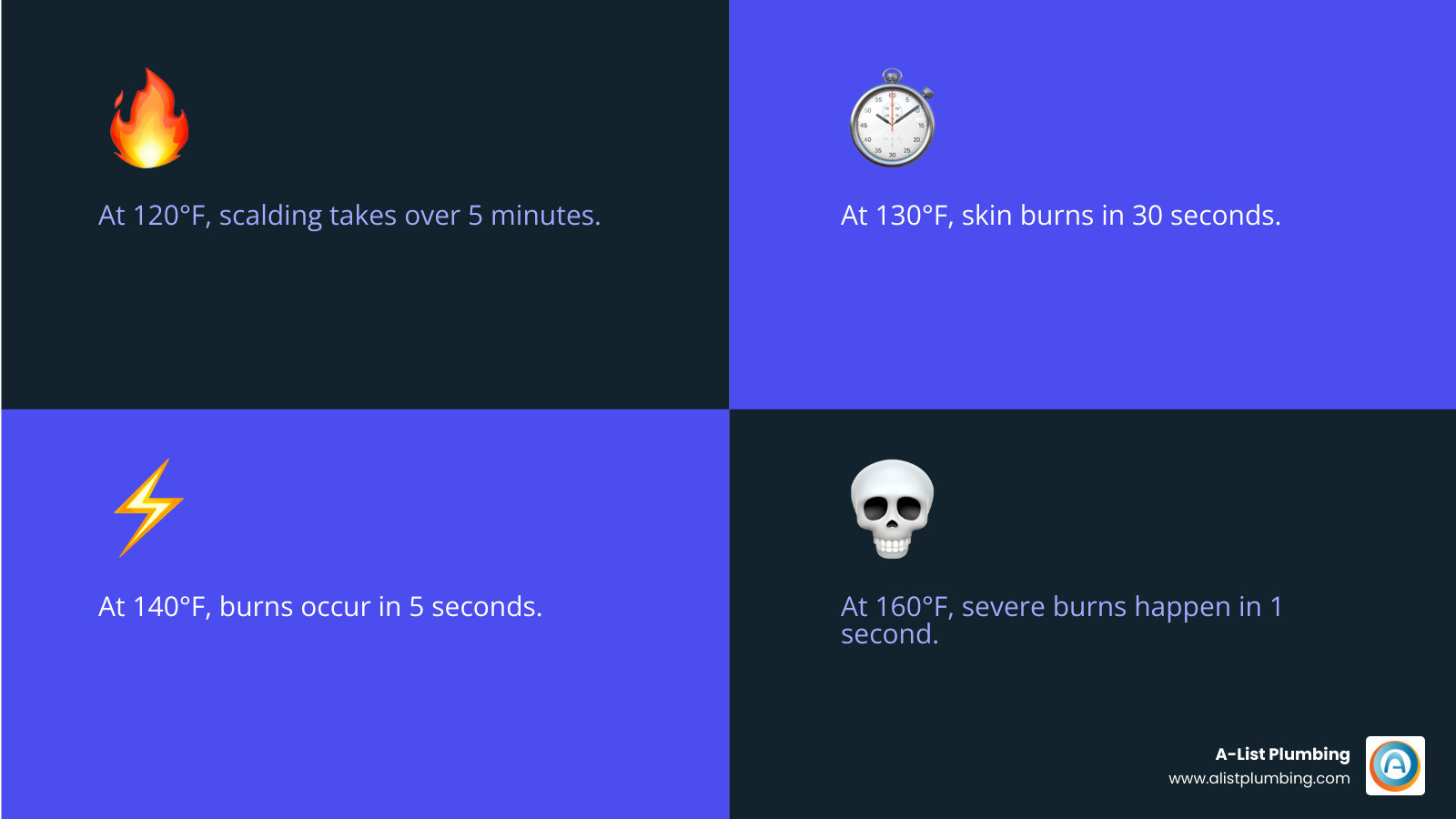
According to the U.S. Consumer Product Safety Commission, setting your water heater above 120°F significantly increases scald risk. Water at 130–140°F can burn skin in seconds. Above 150°F, severe burns can happen almost instantly.
If your water is scalding right now, turn off your water heater at the circuit breaker or gas valve immediately and avoid using any hot taps until the system is diagnosed.
I'm Heath Shockman, owner of A-List Plumbing since 2011, with extensive hands-on experience in residential water heater systems — including scalding hot water repair across the Greater Seattle area. In this guide, I'll walk you through everything from emergency shutoff steps to long-term prevention.
Immediate Safety Steps for Scalding Hot Water Repair
When you step into a shower and the water is unexpectedly boiling, your first instinct is to jump out. Once you're safe, the very next step is to address the appliance before someone else gets hurt. As of April 2026, safety standards for residential plumbing emphasize immediate isolation of the heat source when temperatures exceed 140°F.
Immediate First Aid for Scald Burns
If someone has been exposed to the water, take these steps immediately:
- Cool the burn: Run cool (not cold) tap water over the affected area for at least 10 to 20 minutes.
- Avoid ice: Never use ice, butter, or ointments, as these can damage the tissue further.
- Remove constrictive items: Take off jewelry or tight clothing near the burn before swelling begins.
- Blister care: Do not pop any blisters that form; they act as a natural barrier against infection.
- Watch for infection: If you see increased redness, swelling, or pus, seek medical attention immediately. Minor scalds often heal in a week, but moderate burns can take up to 21 days.
How to Safely Power Down Your System
To begin a scalding hot water repair, you must stop the heating process.
- For Electric Heaters: Locate your home's main electrical panel. Find the double-pole circuit breaker labeled "Water Heater" and flip it to the "OFF" position. This stops the heating elements from continuing to cook the water.
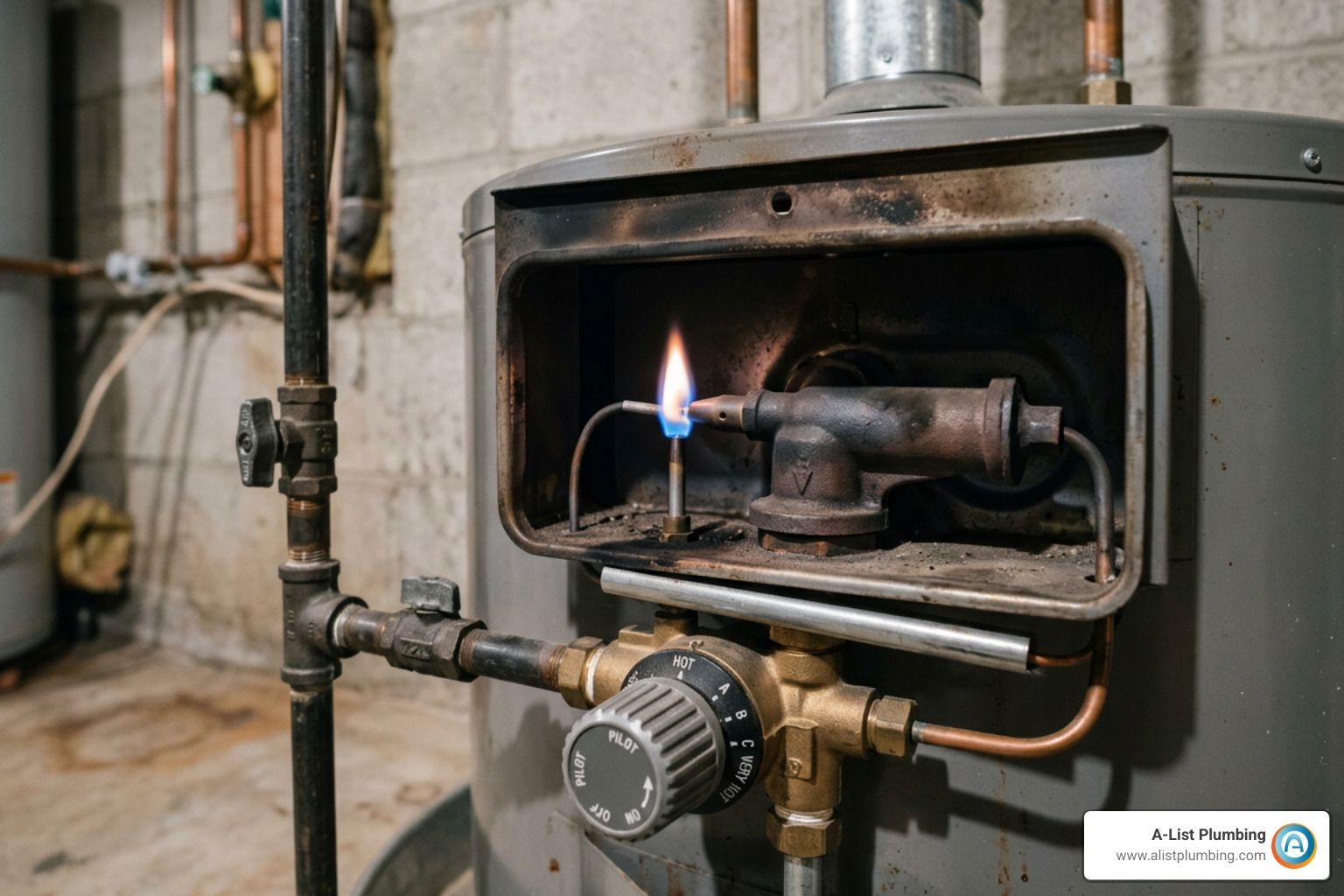
- For Gas Heaters: Locate the gas control valve on the front of the tank. Turn the dial to the "PILOT" or "OFF" position. If you smell gas (a rotten egg odor), leave the house immediately and call for help.
- Water Supply: If the tank is making loud popping or steam is hissing from the pipes, you may also want to turn off the cold water supply valve leading into the heater.
After shutting it down, give the system at least 30 to 60 minutes to begin cooling before you attempt any DIY checks. For more detailed troubleshooting, you can read about Hot Water Is Too Hot: Causes, Solutions, and Preventive Maintenance Tips. If you notice moisture around the base during this process, check our guide on water heater leaks.

Common Causes of Water Heater Overheating
In our 22 years of serving Lynnwood and Seattle, we’ve found that water heaters don’t just "decide" to become dangerous. Usually, a specific component has failed. Understanding these causes is the first step in a successful scalding hot water repair.
Troubleshooting Your Thermostat for Scalding Hot Water Repair
The thermostat is the brain of your water heater. When it fails, it often gets stuck in the "ON" position. Think of it like a car's cruise control getting stuck on the accelerator; the system keeps heating even after reaching the target temperature.
- Miscalibration: Sometimes the dial says 120°F, but the internal sensor is reading 160°F.
- Stuck Contacts: In electric models, the internal switch can weld itself shut, providing constant power to the heating elements.
- Dual Thermostats: Most electric heaters have an upper and a lower thermostat. If one fails, the other may try to compensate, leading to erratic and dangerous temperatures.
The Role of the Temperature and Pressure Relief (TPR) Valve
The TPR valve is your tank's ultimate safety net. It is designed to open and release water if the temperature hits 210°F or the pressure exceeds 150 psi.
- Pressure Buildup: If your water is scalding and the TPR valve isn't dripping, it might be blocked by mineral scale. This is a major hazard, as a blocked valve and an overheating tank can lead to a tank rupture or explosion.
- Safety Discharge: If you see water constantly running out of the discharge pipe attached to the side of your heater, your system is likely overheating.
[TABLE] Comparing Gas vs. Electric Overheating Symptoms
| Symptom | Electric Heater Likely Cause | Gas Heater Likely Cause |
|---|---|---|
| Steam from taps | Stuck upper/lower thermostat | Faulty gas control valve |
| Breaker trips | Shorted heating element | N/A (Gas units use little/no electricity) |
| Soot buildup | Burnt wiring or charred plastic shield | Blocked flue or burner issues |
| Popping noises | Sediment on heating elements | Sediment at the bottom of the tank |
If you are in the city and need local assistance, we specialize in water heater repair in Seattle. You can also find technical insights on how to troubleshoot your overheating water heater.
DIY Maintenance and Scalding Hot Water Repair Issues
Many scalding hot water repair issues can be prevented with annual maintenance. If you're comfortable with basic tools, you can perform some of these checks yourself to ensure your home in Bothell or Shoreline stays safe.
How to Check and Adjust Your Thermostat
Before touching any wiring, ensure the power is off!
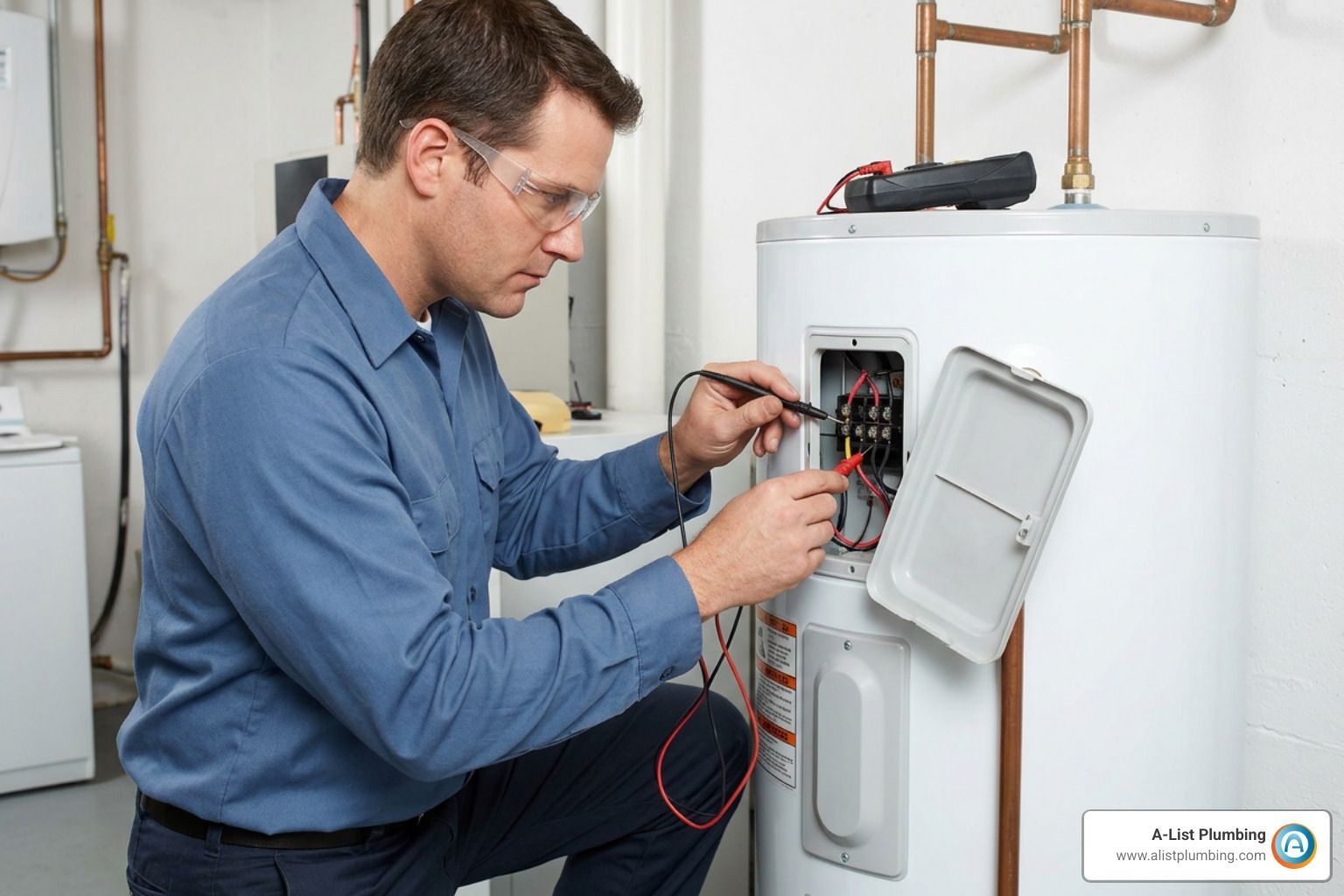
- Remove Access Panels: On electric heaters, unscrew the panels on the side of the tank. Move the insulation to see the thermostats.
- Voltage Testing: Use a non-contact voltage tester to confirm there is no power.
- Check the Dial: Both the upper and lower thermostats should be set to the same temperature. We recommend 120°F.
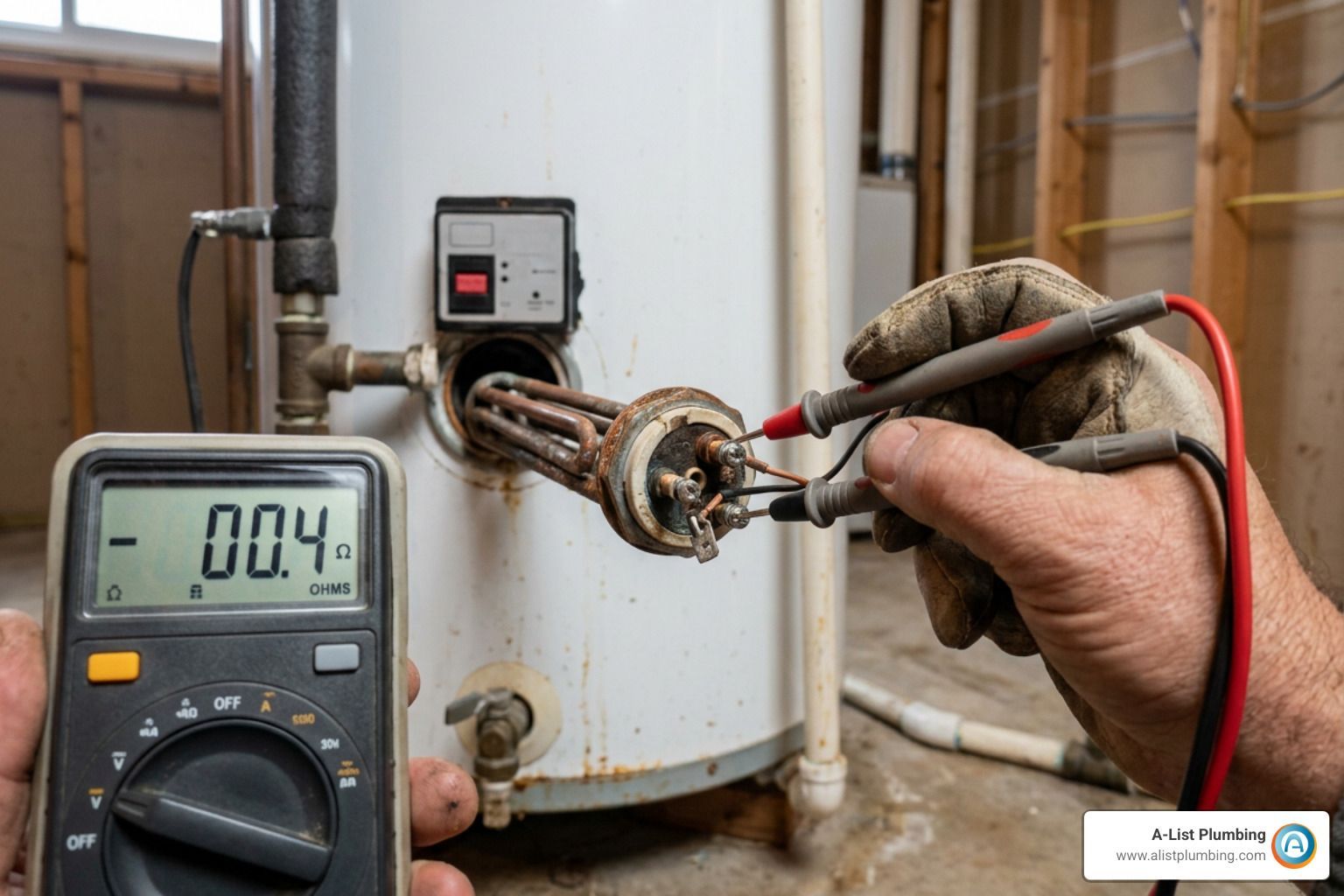
- Testing for Continuity: If you have a multimeter, you can test the thermostat for continuity. If the water is hot but the thermostat still shows continuity (meaning it’s still calling for heat), it’s faulty and needs replacement.
Flushing Sediment to Prevent Scalding Hot Water Repair Issues
Mineral buildup (calcium and magnesium) is a common culprit in Western Washington. This sediment settles at the bottom of the tank and acts as an insulator.
- Localized Superheating: In gas heaters, the burner has to work harder to heat through the "mud" at the bottom. This can cause the water at the very bottom to boil, creating steam bubbles that jolt the system and lead to temperature spikes.
- The Pulse Method: To flush effectively, connect a garden hose to the drain valve. Open the valve and let it run. Then, turn the cold water inlet on and off in 10-second "pulses." This agitates the sediment, helping it flow out of the drain.
- Anode Rod: While flushing, check your anode rod. If it’s completely corroded, your tank is at risk of rusting from the inside out.
For homeowners in Snohomish County, we offer dedicated water heater repair in Lynnwood to handle these messy maintenance tasks for you.
Professional Solutions and Safety Upgrades
Sometimes, a simple adjustment isn't enough. If your system is over a decade old or the overheating is persistent, it’s time to look at professional upgrades or replacement.
Installing Anti-Scald Devices
These devices are the gold standard for modern home safety. They work by mixing cold water into the hot water stream before it reaches your body.
- Thermostatic Mixing Valves: These are installed directly at the water heater. They allow you to keep the tank at 140°F (to kill bacteria like Legionella) while ensuring the water delivered to the house is a safe 120°F.
- Pressure Balancing Valves: Often installed in showers, these prevent "toilet flush shock," where someone flushing a toilet causes the shower water to become suddenly scalding.
- Point-of-Use Mixers: Small valves installed under sinks, perfect for protecting children in bathrooms.
When to Replace Your Aging Water Heater
We use the "50% Rule" at A-List Plumbing. If the cost of the scalding hot water repair is more than 50% of the cost of a new unit, and the heater is over 8–10 years old, replacement is usually the smarter investment.
- 10-Year Lifespan: Most traditional tanks last 8 to 12 years. If yours is in this range and overheating, the internal lining may be failing.
- Energy Efficiency: Modern units are 20-50% more efficient than those made just a decade ago. Upgrading can save you $100–$200 annually on utility bills.
- Tankless Options: If you’re tired of inconsistent temperatures, consider tankless water heaters. They provide on-demand heating with digital temperature controls that are much more precise than traditional mechanical thermostats.
Frequently Asked Questions about Scalding Hot Water
What is the safest temperature setting for my water heater?
The industry standard is 120°F (49°C). This provides plenty of heat for dishwashers and showers while significantly reducing the risk of instant burns. At this setting, the water coming out of your faucet will typically be around 100°F–105°F due to heat loss in the pipes.
How long does it take for water to cool after turning off the heater?
Water heaters are essentially giant thermoses. Because they are heavily insulated, it can take 3 to 4 hours for the water to cool down significantly after you've cut the power. If you need it to cool faster, you can run the hot water taps (carefully!) to flush the hot water out and bring in cold water.
What emergency signs require immediate professional help?
Call us immediately if you notice:
- Visible Steam: If steam is coming out of your faucets instead of water, your heater is boiling.
- Loud Popping/Rumbling: This "thunder in the basement" indicates heavy sediment and dangerous overheating.
- Gas Smell: Any sulfur or rotten egg smell near a gas unit is an emergency.
- Constant Leaking: If the TPR valve is gushing water, the pressure inside the tank is at a critical level.
Conclusion
Dealing with scalding hot water repair isn't just about comfort; it's about protecting your family from life-altering injuries. Whether it’s a simple thermostat adjustment or a full tank flush to remove years of Washington mineral buildup, taking action today prevents a disaster tomorrow.
At A-List Plumbing, we bring 22 years of experience to every job. We understand the specific plumbing needs of homes in Lynnwood, Edmonds, Shoreline, Bothell, and throughout Seattle. We pride ourselves on same-day availability and transparent pricing, so you never have to worry about hidden costs during a plumbing emergency.
Don't risk a burn or a tank explosion. If your water is too hot to handle, schedule your professional water heater repair with us today. We’ll get your temperature back to a safe, comfortable 120°F in no time!