

When Your Hot Water Fails, Here's What You Need to Know
A water heater repair technician is a licensed plumbing professional who diagnoses, repairs, and maintains water heating systems — including gas, electric, and tankless units.
If you need quick answers, here's what most homeowners want to know:
- Who to call: A licensed plumber or certified water heater technician
- When to call: Any time you notice leaks, no hot water, rusty water, strange noises, or inconsistent temperatures
- Average repair cost:$298–$788 for most tank water heater repairs
- Repair or replace? Repair if the unit is under 8–10 years old and the fix costs less than half the price of a new unit
- Emergency step: Shut off the water supply and power to the unit immediately if it's leaking
Hot water isn't a luxury — it's something your household depends on every single day. When your water heater starts acting up, the disruption hits fast. Cold showers, laundry problems, dishes that won't come clean. And in the Pacific Northwest, where temperatures drop and demand on your system runs high, a failing water heater can feel like a genuine crisis.
The good news? Most water heater problems are fixable — if you catch them early and call the right person.
I'm Heath Shockman, owner of A-List Plumbing since 2011, and as a water heater repair technician with extensive residential plumbing experience across the Greater Seattle area, I've seen how a small ignored issue can turn into a costly emergency. This guide walks you through everything you need to know to protect your home and make smart decisions about your water heater.
Common Signs You Need a Water Heater Repair Technician
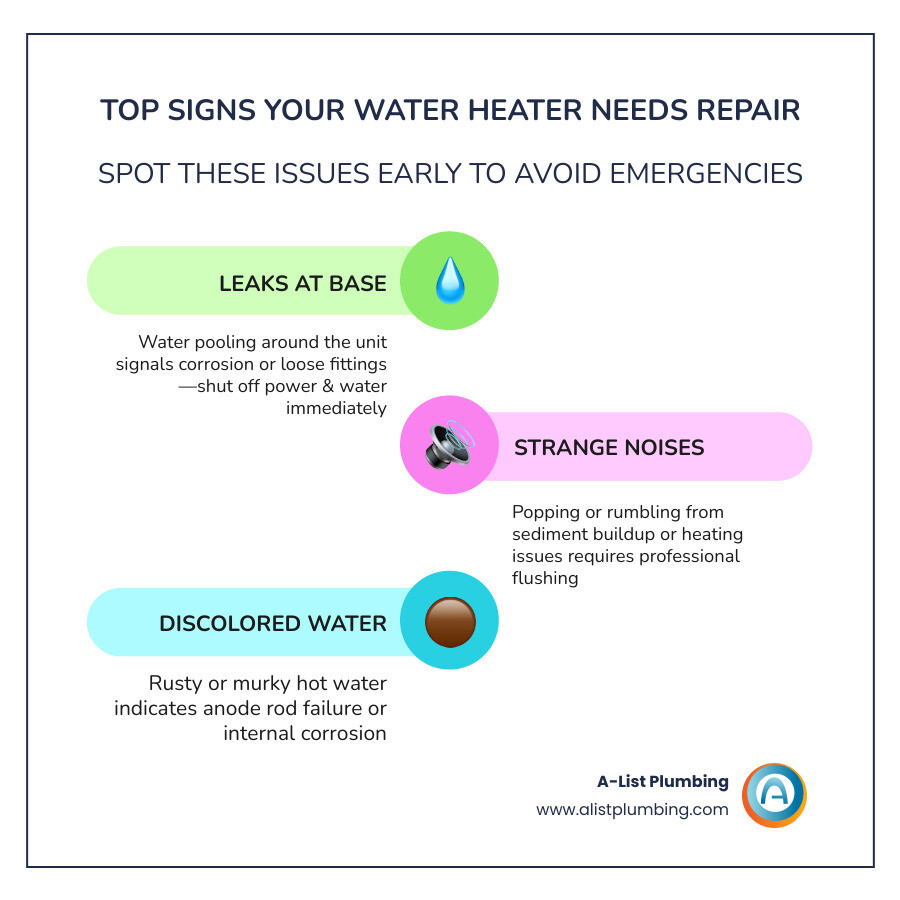
You don’t have to be a "plumbing whisperer" to recognize when your water heater is calling out for help. Most systems give off clear warning signals before they give up the ghost entirely. Ignoring these signs usually leads to a more expensive bill down the road — or a flooded garage.
Fluctuating Temperatures
If your shower starts hot but turns ice-cold in five minutes, or if the water temperature swings wildly while you're washing dishes, you likely have a component failure. In electric units, this often points to a burnt-out heating element. In gas units, it could be a failing thermostat or a broken dip tube.
Strange Noises
Do you hear popping, banging, or rumbling coming from your utility closet? That’s not a ghost; it’s likely sediment. Over time, minerals in our local water supply settle at the bottom of the tank. As the burner heats the water, bubbles of steam escape through the layer of sediment, creating those loud knocking sounds. This forces the unit to work harder and can eventually crack the tank.
Discolored or Smelly Water
Rusty or brownish water is a major red flag. It often indicates that the internal lining of your tank is corroding or the sacrificial anode rod has been completely depleted. If you notice a "rotten egg" smell, it’s usually caused by bacteria reacting with the magnesium anode rod in the tank. If you see Water Heater Repair in Seattle WA as a recurring need in your neighborhood, it’s often due to these water quality issues.
Visible Leaks
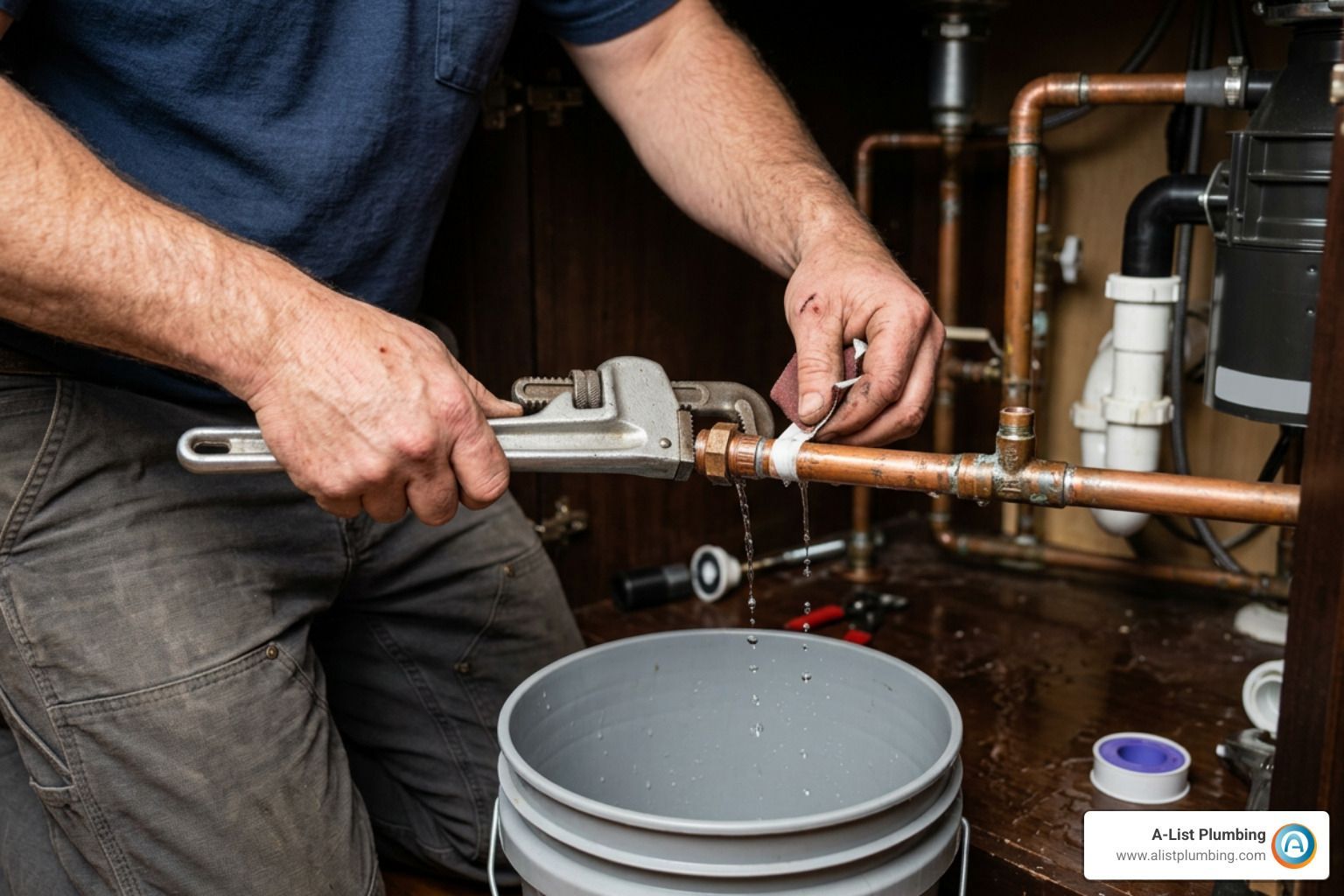
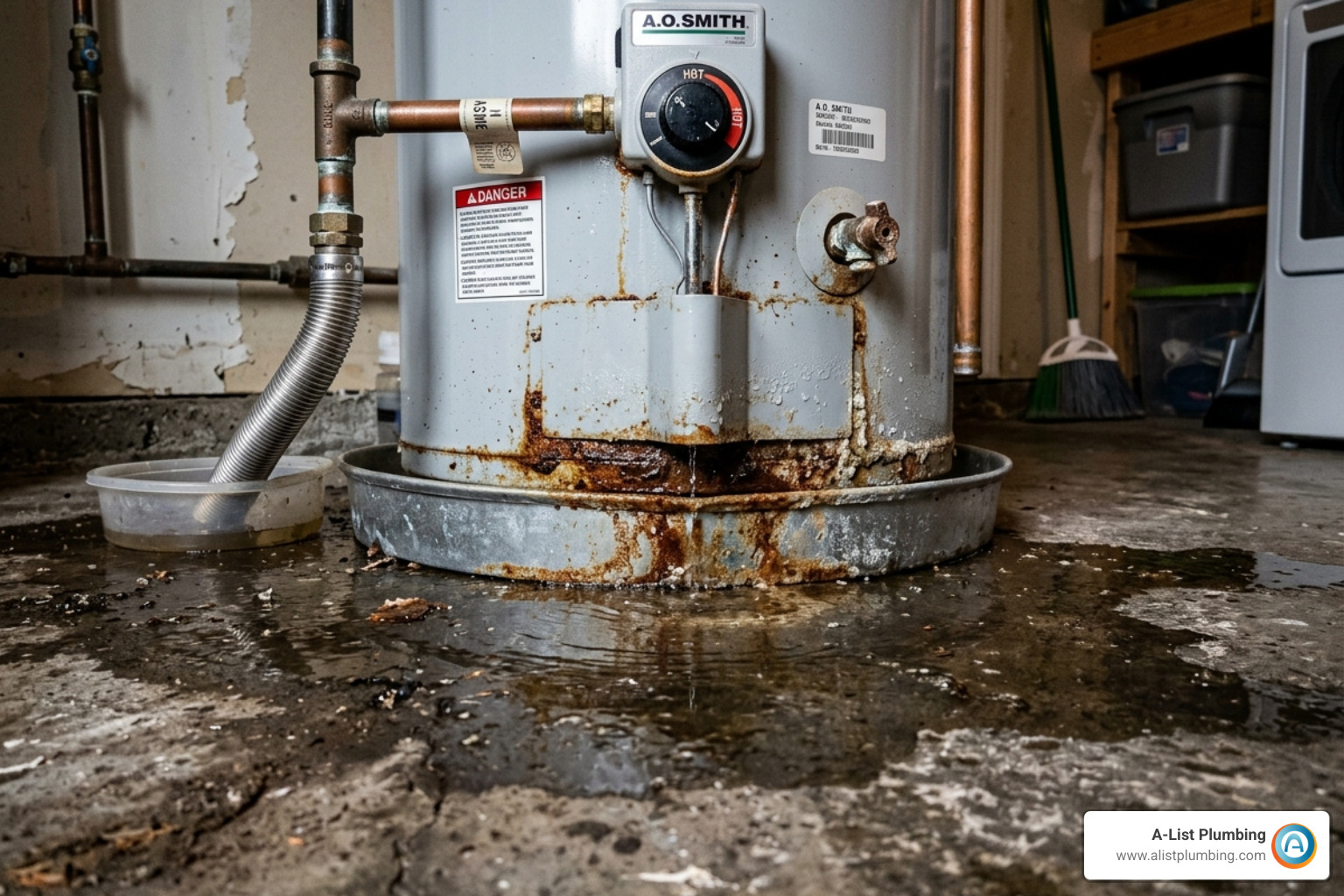
Any moisture around the base of the unit is cause for concern. While some "leaks" are actually just condensation, others are signs that the tank itself has developed a hairline fracture. Once a tank starts leaking from the body, it’s usually a "game over" situation. However, if the leak is coming from a valve or a pipe connection, a water heater repair technician can often fix it quickly. For residents dealing with Water Heater Leaks in Shoreline WA, getting a professional out fast is the only way to prevent major floor damage.
Immediate Steps for a Leaking Unit
If you find a puddle under your heater, don't panic, but do act fast:
- Shut off the Power/Gas: For electric heaters, flip the breaker. For gas heaters, turn the dial on the thermostat to "Off."
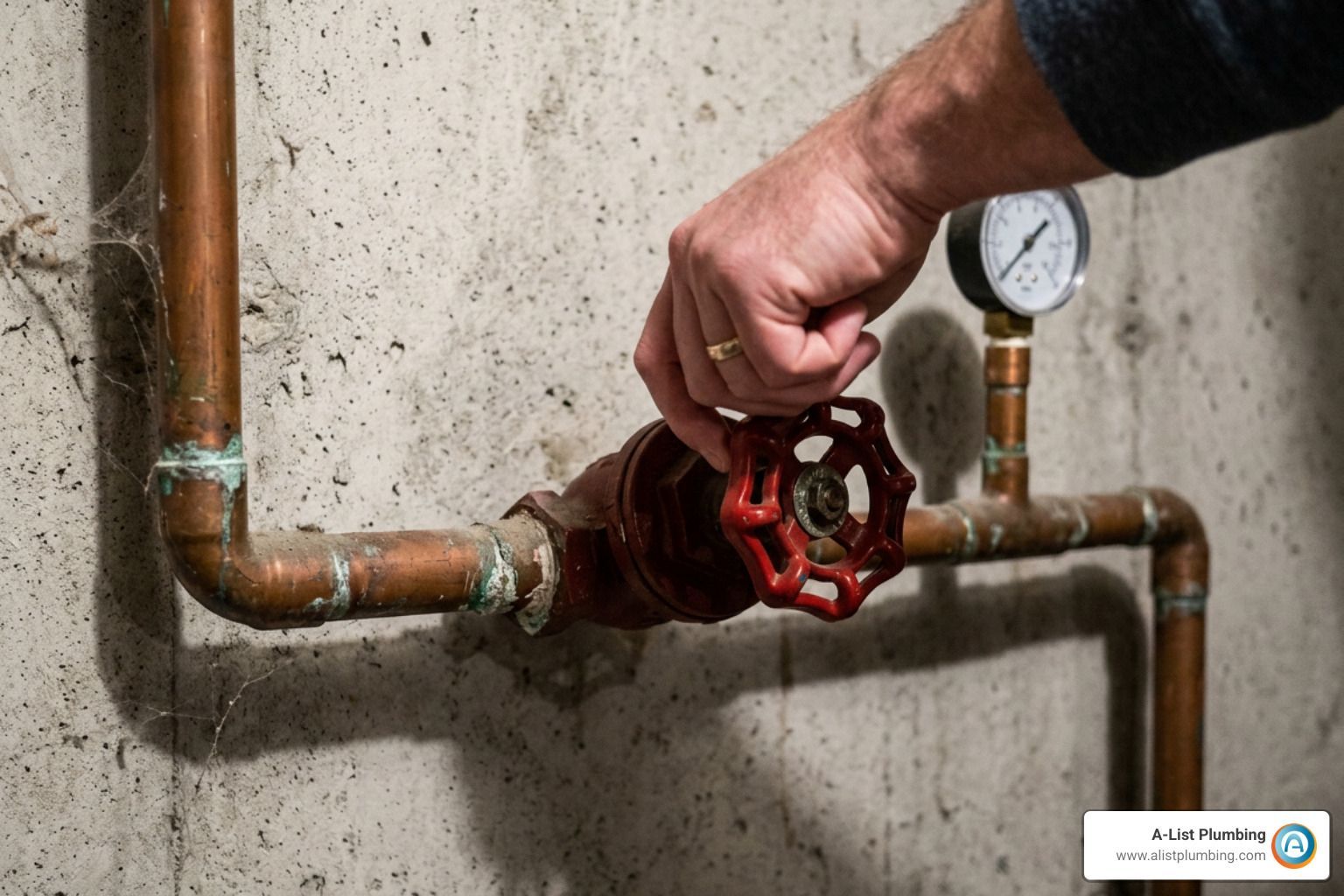
- Close the Water Valve: Turn the cold water inlet valve (usually located on top of the heater) clockwise until it stops.
- Safety First: Do not touch any pooling water if you suspect an electrical short. Contact a professional immediately for assistance.
Typical Causes of Water Heater Problems and Component Failure
Understanding why these systems fail helps you prevent future headaches. Most water heater issues in the Lynnwood and Seattle area stem from the following culprits:
- Sediment Buildup: Calcium and magnesium are the enemies of your water heater. They create a "crust" at the bottom of the tank, acting as an insulator that prevents the burner from heating the water efficiently. This leads to overheating and tank fatigue.
- Anode Rod Corrosion: This is a "sacrificial" rod made of magnesium or aluminum. Its only job is to corrode so your tank doesn't. Once it’s gone, the water starts eating your steel tank.
- Faulty Thermostat: If your water is dangerously hot or won't heat up at all, the "brain" of the unit might be malfunctioning.
- Heating Elements: Electric heaters use two submerged elements. If the bottom one burns out (which usually happens first due to sediment), you'll run out of hot water much faster than usual.
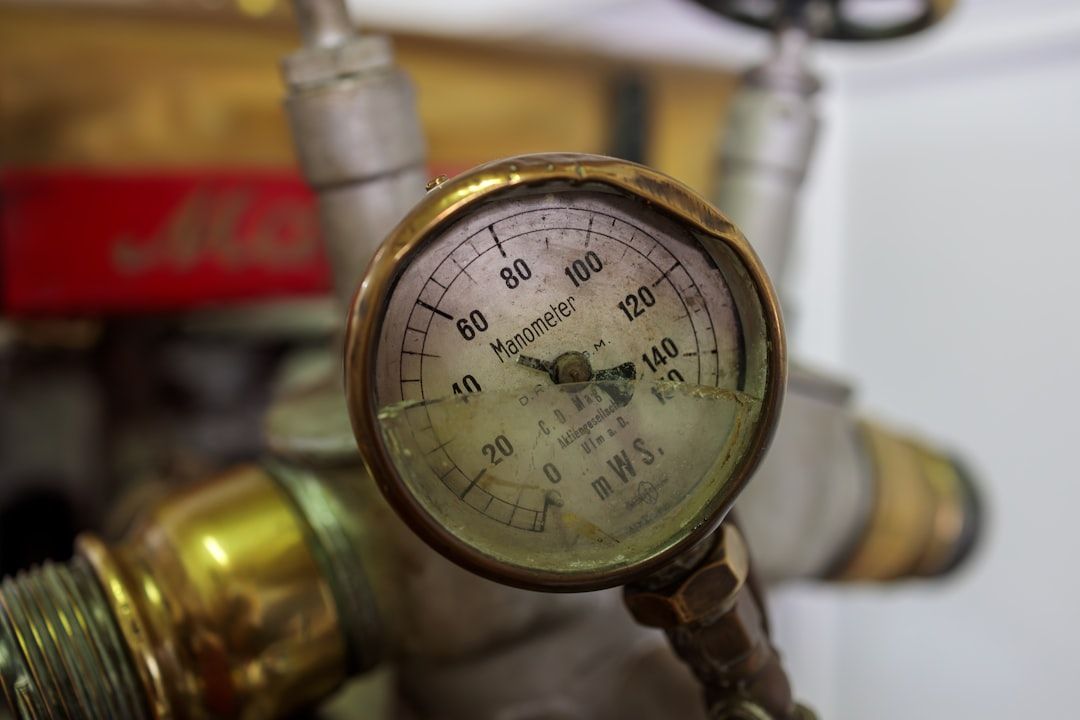
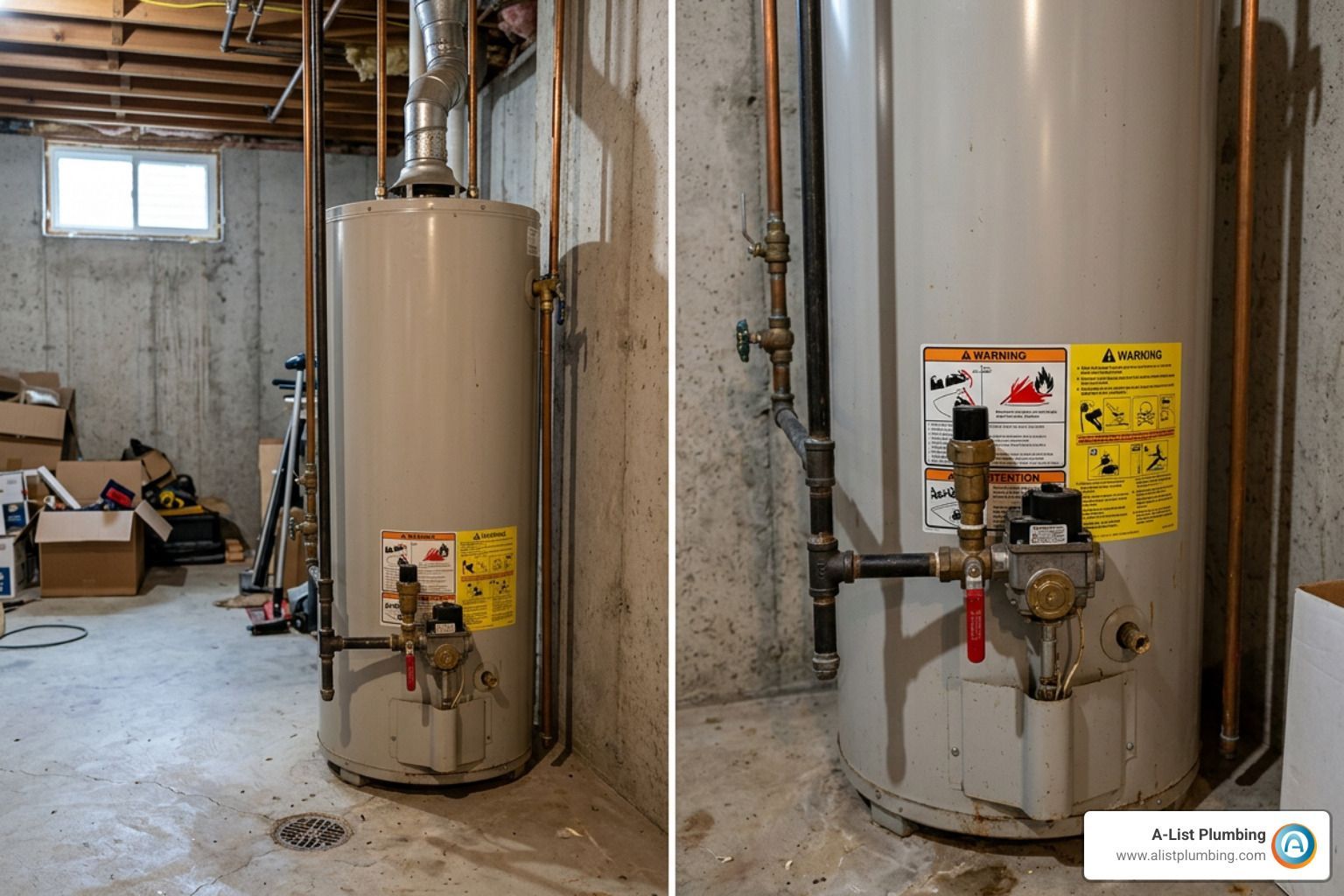
- T&P Valve Issues: The Temperature and Pressure relief valve is a safety device. If it fails or gets clogged, your water heater can literally become a pressurized rocket. It should be tested annually and replaced every three years. You can learn more about water heating safety standards to understand why this component is so critical.
- Broken Dip Tube: This plastic tube directs incoming cold water to the bottom of the tank to be heated. If it breaks, cold water stays at the top, mixing with the hot water leaving the tank, resulting in lukewarm showers.
The Role of Annual Maintenance
Think of water heater maintenance like an oil change for your car. If you skip it, the "engine" eventually blows up. A professional water heater repair technician provides several key services during a maintenance visit:
- Flushing the Tank: Removing sediment can increase efficiency by up to 15%.
- Testing Valves: Ensuring the T&P valve works prevents catastrophic pressure buildup.
- Inspecting the Anode Rod: Replacing a $50 rod every three years can double the life of a $1,500 heater.
- Checking Connections: We look for tiny leaks or corrosion at the gas and water lines before they become floods.
Repair vs. Replacement: Costs and Lifespan in April 2026
As of April 2026, the decision to repair or replace often comes down to the "50% Rule": if the repair costs more than half the price of a new unit, it’s time to replace.
| Feature | Traditional Tank | Tankless Model |
|---|---|---|
| Average Lifespan | 8–12 Years | 20+ Years |
| Maintenance Need | Annual Flush | Annual Descale |
| Typical Repair Cost | $298 – $788 | $350 – $900 |
| Installation Time | 3–5 Hours | 8+ Hours |
Traditional tank heaters in the Seattle area typically last about 10 years on average. If your unit is over 8 years old and starts leaking from the tank, replacement is almost always the better financial move. However, if you have a 5-year-old unit with a bad thermocouple or heating element, a repair is a no-brainer.
For those looking to upgrade, Tankless Water Heaters in Edmonds WA have become incredibly popular because they provide "endless" hot water and take up significantly less space. While the initial cost is higher, the 20-year lifespan and energy savings often make them the smarter long-term investment.
Servicing Different Systems
A qualified water heater repair technician must be well-versed in various fuel sources:
- Gas Units: These require expertise in gas line safety, pilot lights, and proper venting to prevent carbon monoxide leaks.
- Electric Models: These involve high-voltage wiring and submerged heating elements.
- Propane Heaters: Often found in more rural parts of the Greater Seattle area, these require specific orifice sizes and pressure settings.
- Tankless: These are "computers that heat water." Diagnosing Tankless Water Heaters in Seattle WA requires specialized digital tools and knowledge of heat exchangers.
The Value of a Professional Water Heater Repair Technician
It might be tempting to watch a YouTube video and try to swap out a heating element yourself, but water heaters are complex machines that involve three of the most dangerous elements in your home: pressurized water, high-voltage electricity, and flammable gas.
When you hire a professional, you aren't just paying for a part; you're paying for:
- Expert Diagnosis: We don't just guess. We use multimeters and pressure gauges to find the root cause, ensuring we don't replace parts that are still good.
- Safety Compliance: We ensure your unit meets current Washington State codes, including proper earthquake strapping (vital in our region!) and discharge piping.
- Warranty Protection: Most manufacturers will void your warranty if a licensed professional doesn't perform the repair or installation.
- Peace of Mind: Knowing that your gas lines are leak-free and your electrical connections are tight is worth the investment. You can find more about our specialized Water Heater Repair services here.
Why a Certified Water Heater Repair Technician is Essential
In the state of Washington, specific licensing and insurance are required for a reason. Gas line work, in particular, carries a high risk of fire or explosion if handled incorrectly. A certified technician understands the nuances of venting—ensuring that combustion gases actually leave your home rather than lingering in your attic or basement.
What to Expect from Your Water Heater Repair Technician
When we arrive at your home in Lynnwood or Seattle, we follow a strict process:
- Upfront Pricing: No "hourly" surprises. We diagnose the issue and give you a fixed quote before we turn a single wrench.
- Same-Day Service: We know you can’t wait a week for a hot shower. We keep our trucks stocked with common parts to get you back up and running immediately.
- Thorough Inspection: We don't just fix the leak; we check the whole system to ensure nothing else is about to fail.
- Cleanliness: We use floor protection and clean up our workspace so your home looks exactly as it did when we arrived.
Frequently Asked Questions about Water Heater Repair
How long does a typical water heater repair take?
Most standard repairs — like replacing a thermocouple, heating element, or thermostat — take between 1 and 3 hours. If the unit needs a full flush and sediment removal, it might take a bit longer.
Is it dangerous to ignore a leaking water heater?
Yes. Beyond the obvious risk of water damage and mold, a leak can indicate that the tank's structural integrity is failing. In rare cases, if the T&P valve is also blocked, a failing tank can lead to a dangerous pressure explosion. Always call a water heater repair technician the moment you see standing water.
Why is my hot water rusty or smelly?
This is almost always due to the anode rod. If the rod has dissolved, the water begins to oxidize the steel tank, creating rust. A "rotten egg" smell is usually caused by sulfate-reducing bacteria in the water reacting with the rod. Replacing the rod and disinfecting the tank usually solves this.
Conclusion
Your water heater is the hardest-working appliance in your home, operating 24/7 to keep your family comfortable. Don't wait for a total breakdown to give it the attention it deserves. Whether you're in Edmonds, Shoreline, Bothell, or downtown Seattle, A-List Plumbing is here to help.
With 22 years of experience, we pride ourselves on transparent pricing and same-day availability. We understand the specific needs of Pacific Northwest homes and are committed to keeping your hot water flowing safely and efficiently.
Don't settle for a cold shower tomorrow morning. Schedule your professional water heater repair today to speak with a local expert.