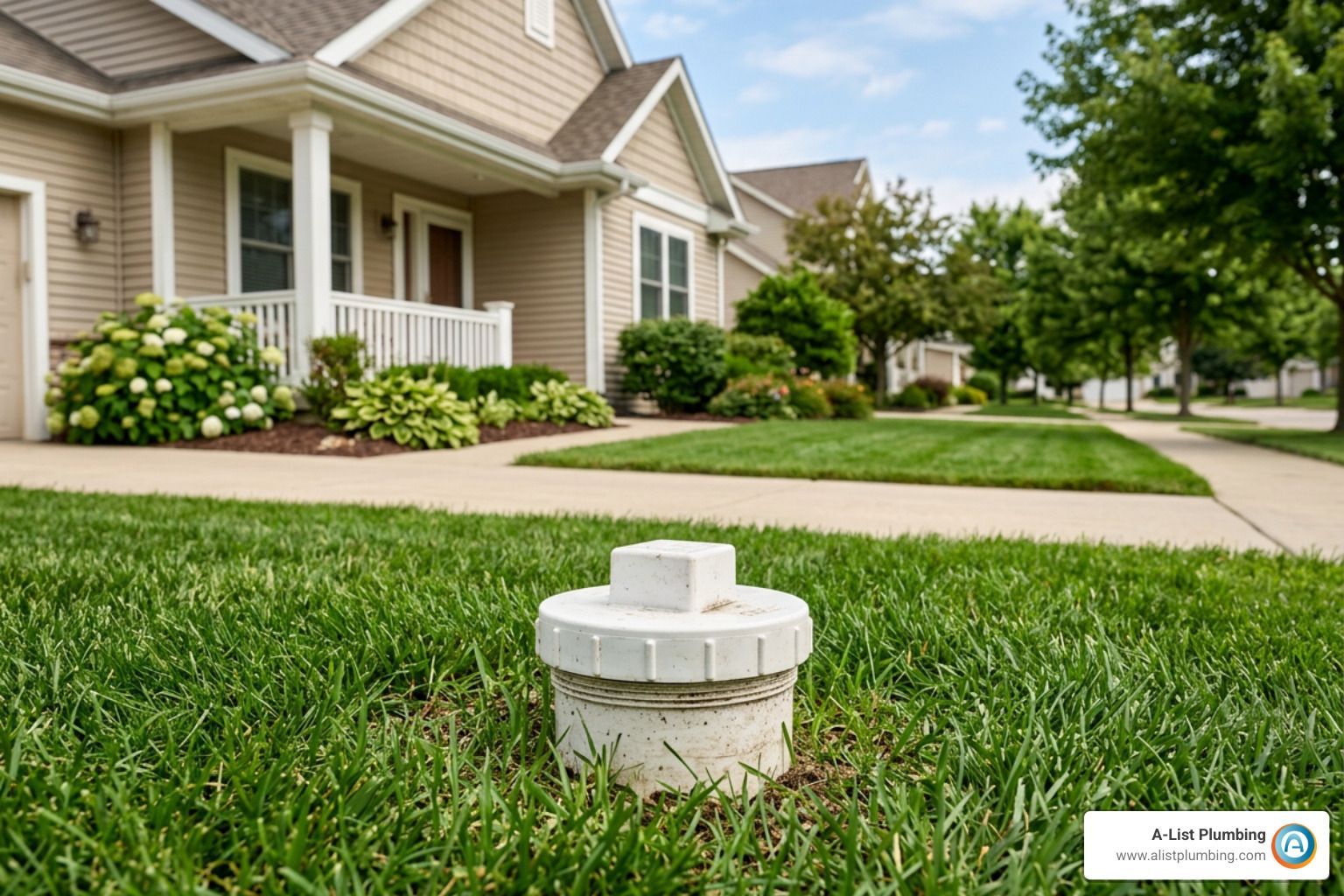


When Your Yard Turns Into a Swamp: What Water Main Repairs Actually Cost
The cost to fix a water main leak in 2026 typically falls between $354 and $1,696, with most Seattle-area homeowners paying around $1,025 for a standard repair.
Here's a quick breakdown before we dive in:
| Repair Type | Typical Cost Range |
|---|---|
| Small, accessible leak (resin seal) | $150 - $300 |
| Moderate repair (pipe section replacement) | $354 - $1,696 |
| Trenchless repair | $100 - $200 per linear foot |
| Full water line replacement | $2,000 - $5,000 |
| Emergency repair (after-hours) | Add $100 - $350 |
But here's the thing — that plumbing bill is rarely the whole story.
Excavation, permits, landscaping restoration, and concrete re-pouring can quietly double or triple your total out-of-pocket cost. A soggy patch of lawn might look like a $500 problem. By the time the trench is dug and the sod is relaid, you could be looking at $3,000 or more.
That surprise is what stresses homeowners out the most — and it's exactly why knowing the real numbers upfront matters.
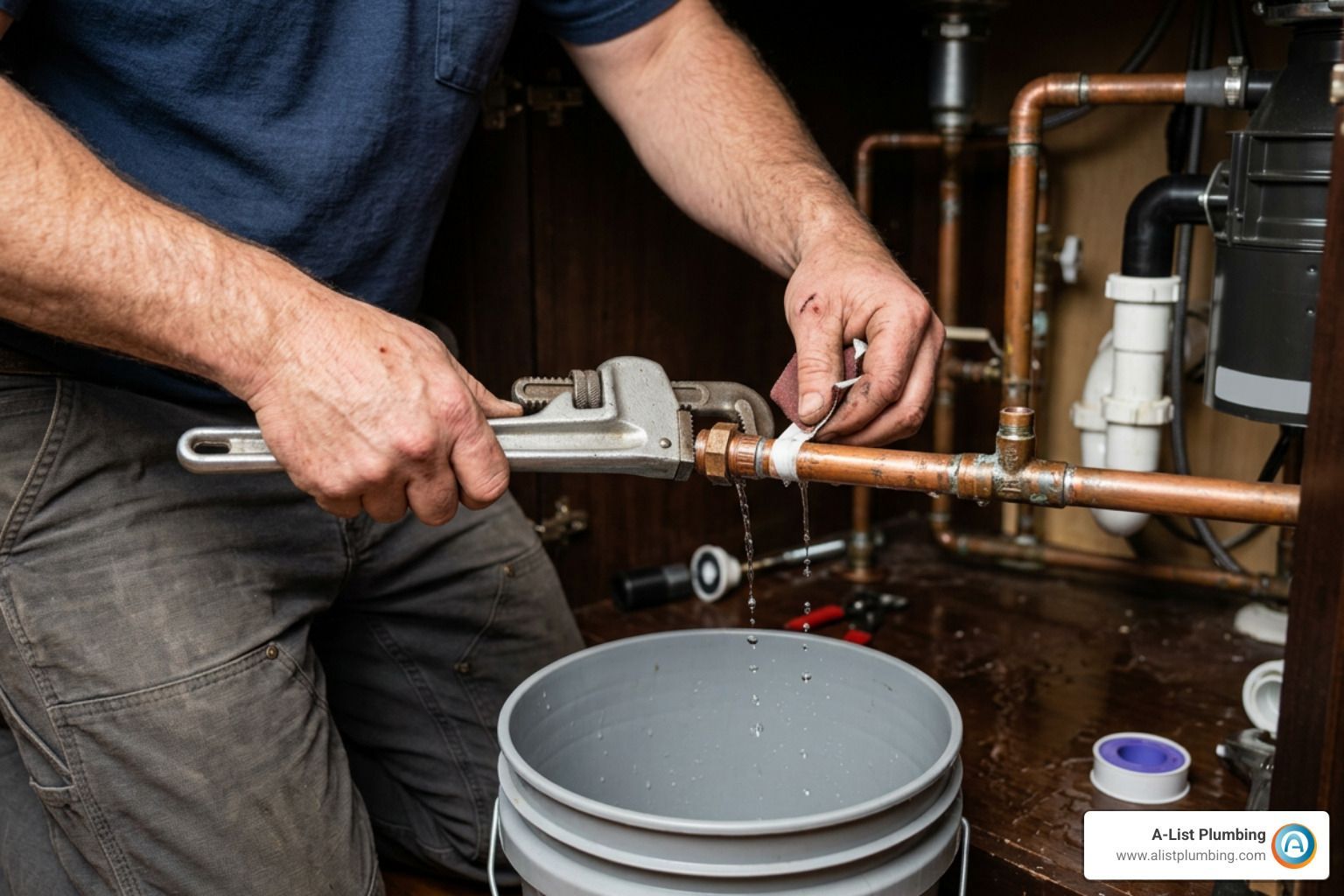
I'm Heath Shockman, owner of A-List Plumbing since 2011, and I've helped hundreds of Greater Seattle homeowners navigate the true cost to fix water main leak problems — from straightforward pipe patches to full trenchless replacements in rocky Northwest soil. In this guide, I'll walk you through every cost factor so there are no surprises on your invoice.
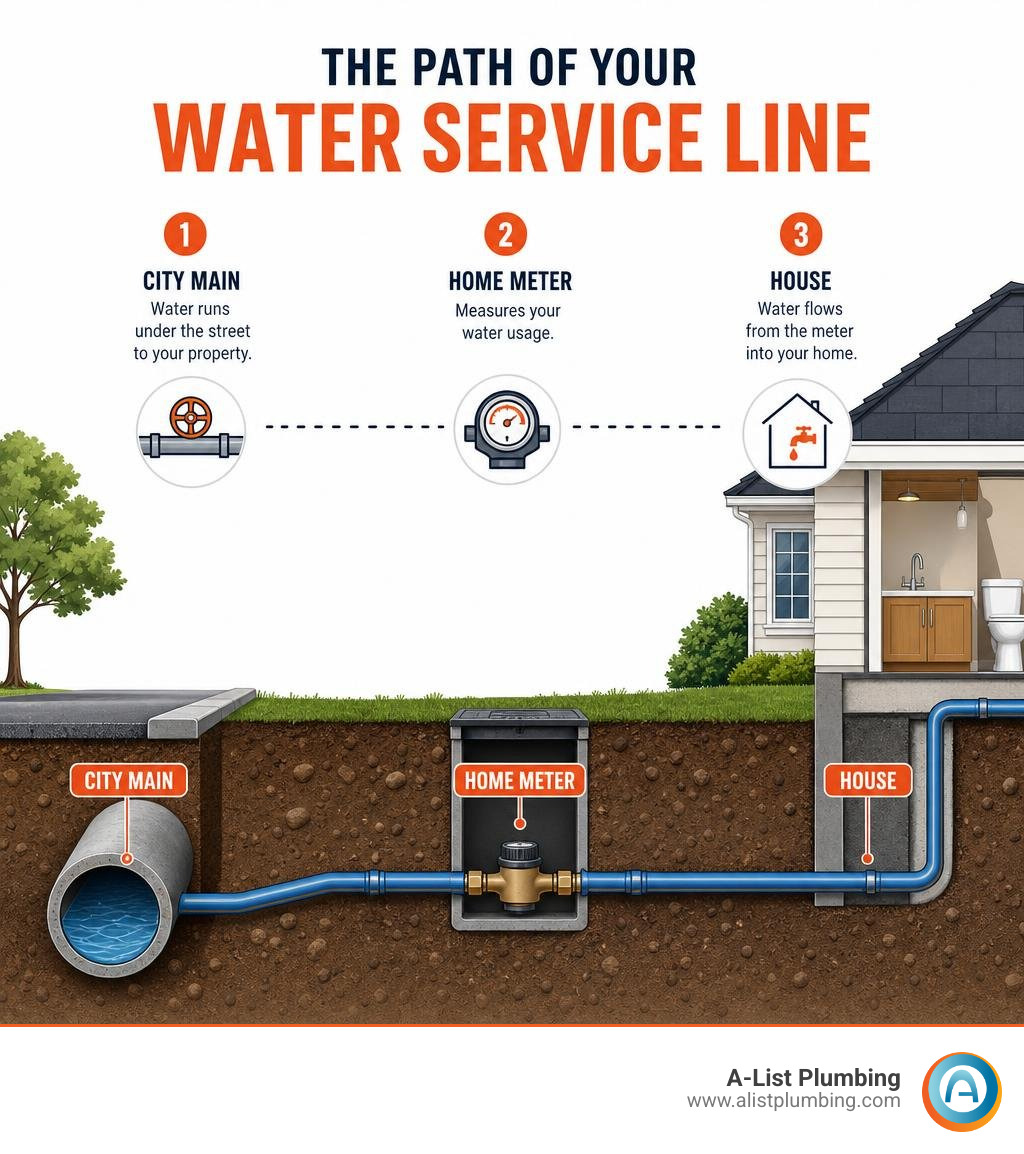
The Real Cost to Fix Water Main Leak Issues in 2026
When you wake up to a mysterious, muddy spring bubbling in your front yard, your first thought is probably: How much is this going to set me back?
Let's look at the hard data. In 2026, the national average to repair a main water line sits right around $1,025, but the overall range spans from a gentle $354 for simple spot repairs to $1,696 for more complex, deeply buried leaks.
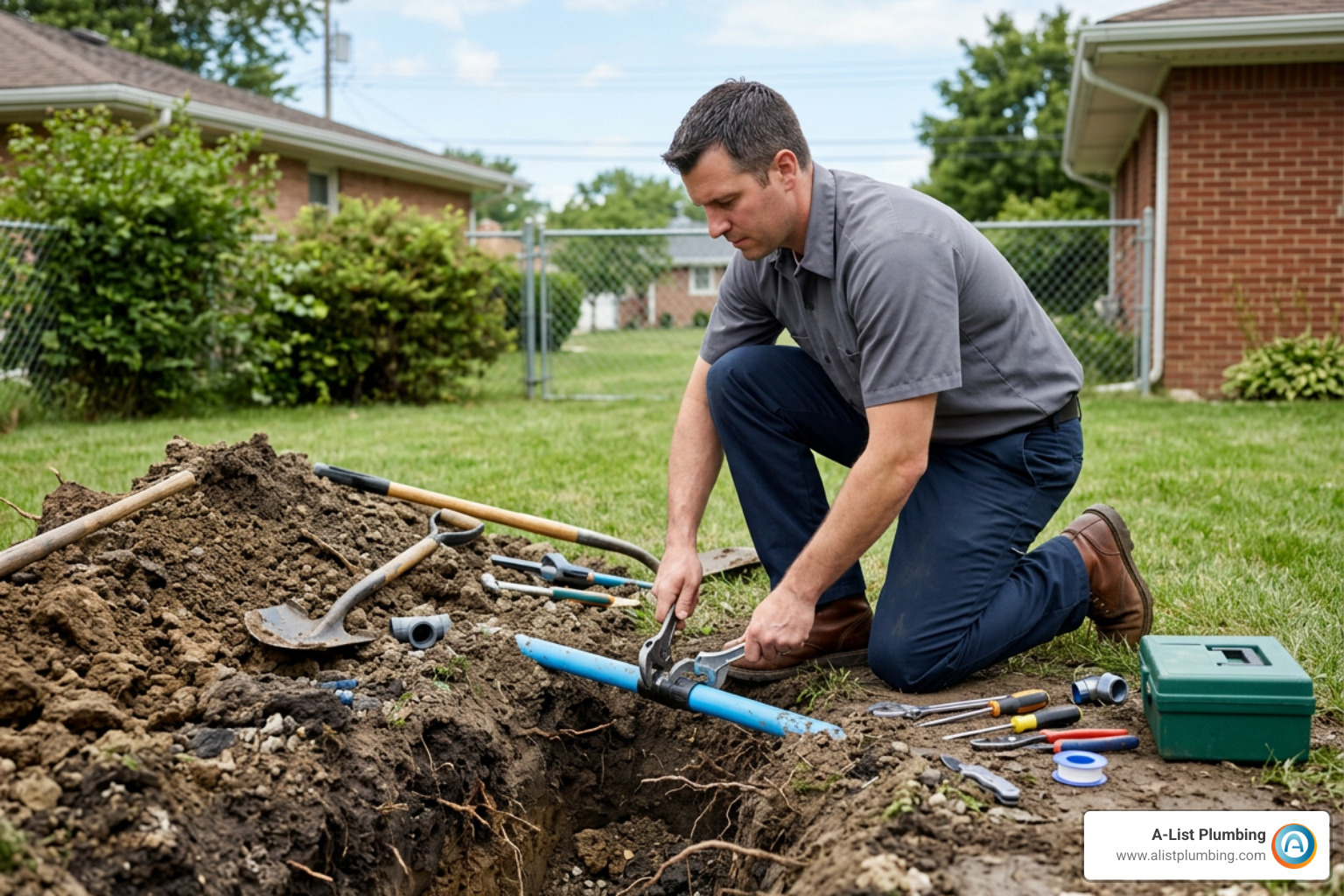
If you live in the Pacific Northwest—specifically around Seattle, Lynnwood, Edmonds, Shoreline, or Bothell—you can expect local rates to lean toward the higher end of these averages. Why? Because our rocky glacial till, steep hills, and deep freeze lines mean plumbers have to work a lot harder to get to your pipes.
To help you plan, we've broken down these costs using a realistic 2026 water line repair cost calculator framework (which we have rigorously verified as active and accurate). If you are dealing with a standard indoor leak, you might want to look at the general cost to fix leaking pipe guide (fully verified and functional), but for outdoor main line leaks, here is how the numbers shake out:
Water Main Repair Costs by Severity and Method
| Project Scope | Average Material Cost | Average Labor Cost | Total Estimated Cost |
|---|---|---|---|
| Minor Spot Repair(resin seal or clamp on accessible pipe) | $50 - $100 | $150 - $250 | $200 - $350 |
| Standard Section Replacement(cutting out 5-10 ft of bad pipe) | $100 - $300 | $500 - $1,200 | $600 - $1,500 |
| Trenchless Pipe Pull(replacing the line without digging a trench) | $800 - $1,500 | $2,000 - $4,500 | $2,800 - $6,000 |
| Traditional Trench & Replace(heavy excavation for a full new line) | $500 - $1,200 | $3,000 - $8,000 | $3,500 - $9,200 |
To give you some regional context, we did a deep dive and verified several local and national pricing guides. For instance, the Seattle-specific Angi cost guide(rigorously verified as active and accurate) shows that local emergency plumbing rates in our metro area can spike to anywhere between $425 and $2,250 just for the initial call-out and diagnostics. In our local Puget Sound market, standard plumber labor averages $70 to $120 per hour, and can go up to $200 per hour for complex or emergency calls.
How Pipe Material Affects the Cost to Fix Water Main Leak Problems
The type of pipe buried under your lawn plays a massive role in how much you'll pay to fix it. Different materials require different tools, fittings, and expertise.
- Copper Pipes: Copper is the gold standard of plumbing. It's incredibly durable and can last 50 to 100 years. However, copper pipe repair is expensive, usually running between $500 and $1,500. The raw material itself is pricey (often $2 to $10+ per linear foot), and joining copper requires soldering or high-end press tools.
- PVC and PEX Tubing: Modern homes love plastic. PVC and PEX are highly flexible, completely rust-proof, and remarkably cheap (often just $0.40 to $2 per linear foot). If you have a plastic main line, a spot repair is incredibly straightforward and usually costs on the lower end of the spectrum—around $300 to $800.
- Galvanized Steel or Polybutylene: If your home was built before the 1980s, you might have galvanized steel or grey polybutylene pipes. These materials are notorious for failing. Galvanized steel corrodes from the inside out, while polybutylene becomes brittle and cracks. If either of these materials leaks, we almost always recommend a full replacement because patching one spot usually just pushes the water pressure to the next weakest point.
If you're dealing with a ruptured pipe, you can read our detailed breakdown on the busted water pipe repair cost(verified as a fully functional resource) to see exactly how materials and pipe diameters scale up your bill.
Location, Depth, and Accessibility Factors
Where is the leak hiding? That is the ultimate question. A pipe buried 12 inches deep under a soft, grassy lawn is a breeze to fix. A pipe buried four feet deep beneath a concrete driveway or a mature cedar tree is a completely different beast.
In the Pacific Northwest, our freeze line dictates how deep water lines must be buried. In cities like Bothell, Shoreline, and Seattle, main water lines are typically buried 12 to 24 inches deep to keep them safe from winter freezes.
If the leak is located under a concrete slab (a "slab leak"), the repair process becomes highly invasive. Plumbers must use jackhammers to break through your foundation or garage floor, which easily pushes the repair bill past $3,000 to $5,000.
Before anyone starts digging or jackhammering, we highly recommend calling in a pro for non-invasive leak detection services(verified active and functional). Using acoustic ground microphones and thermal imaging, we can pinpoint the exact square foot where the pipe is leaking, saving you thousands of dollars in unnecessary excavation.
Trenchless vs. Traditional Excavation Methods
If your water main is severely damaged or has reached the end of its 50-year lifespan, you have a major choice to make: how are we going to fix or replace it?

Historically, the only way to fix an underground pipe was to bring in a backhoe, dig a massive trench across your yard, rip up your landscaping, and replace the pipe by hand. Today, we have a much cleaner option: trenchless technology.
Let's look at how these two methods stack up against each other:
Trenchless vs. Traditional: Choosing the Best Method and Cost to Fix Water Main Leak Spots
- Traditional Trenching: This method involves digging an open trench along the entire length of your water line. While the plumbing work itself is relatively simple, the excavation and backfilling are labor-intensive. Open trenching typically costs $1,500 to $13,000 depending on the length of the run, the depth of the pipe, and the soil conditions.
- Trenchless Technology: Instead of digging up your entire yard, trenchless methods only require two small access pits—one where the water line enters your property and one where it enters your home. We then use specialized hydraulic equipment to pull a brand-new, seamless pipe directly through the old one (pipe bursting) or slide a new line through a bored pathway (directional boring). Trenchless replacement typically runs $75 to $150 per linear foot.
To visualize how the total costs compare when you factor in yard damage, take a look at this cause-and-effect chain:
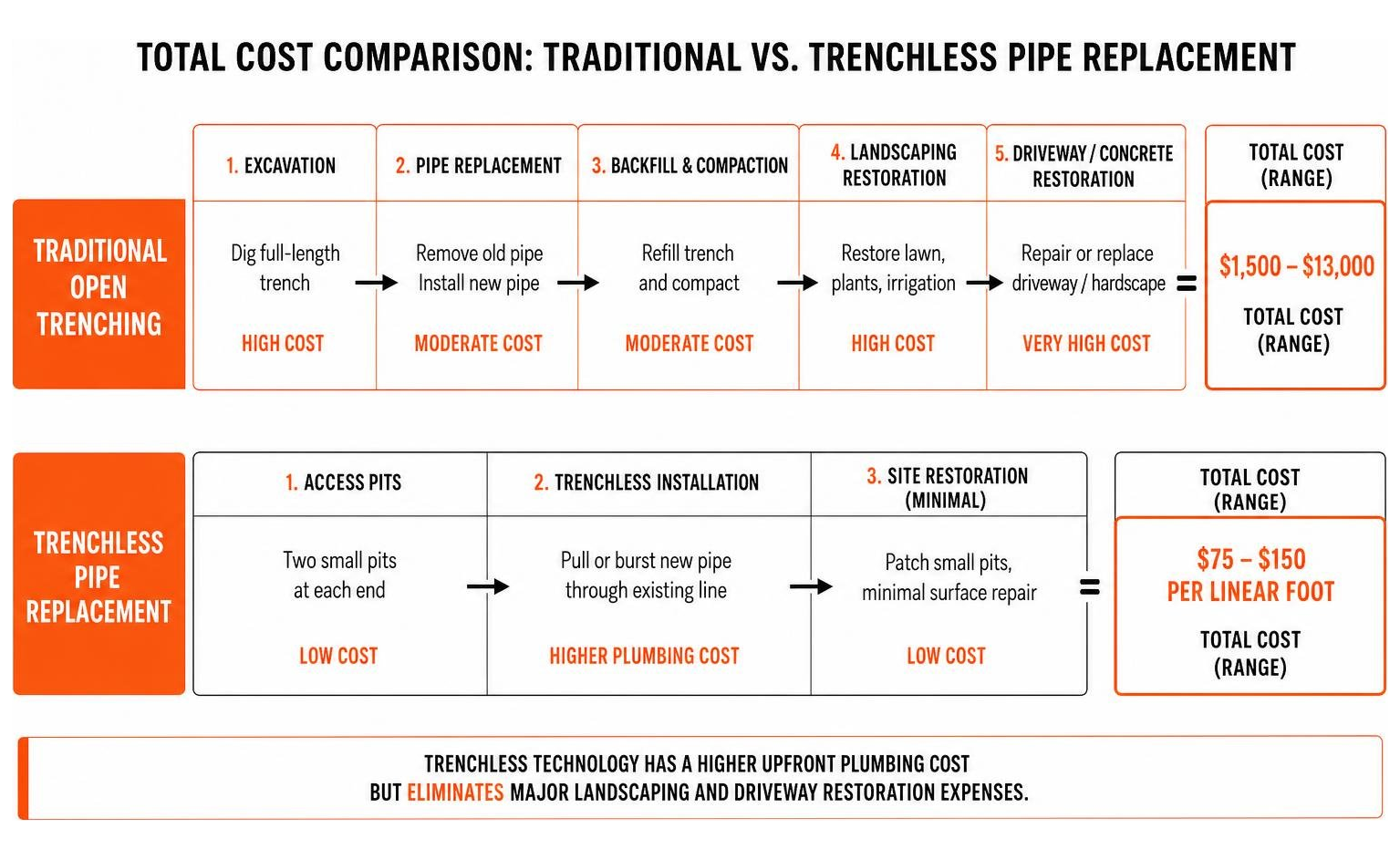
As you can see, even though trenchless technology has a higher upfront plumbing cost, it completely bypasses the massive landscaping and driveway restoration fees that plague traditional open trenches.
If you are interested in a cleaner, faster repair, check out our trenchless waterline replacement service(verified active and functional) to see how we pull new pipes under your lawn without destroying your hard work. You can also compare national averages in the national water main repair cost guide(verified active) or use the Water Main Replacement Cost Calculator (2026)(verified active) to run the numbers for your specific property length.
Hidden Expenses Beyond the Plumbing Bill
When budgeting for the cost to fix water main leak issues, many homeowners make the mistake of only looking at the plumber's quote. But unless your plumber explicitly includes restoration in their contract, you need to prepare for these "hidden" secondary costs:
- Permits and Inspections: Most municipalities in the Puget Sound area (including Seattle, Edmonds, and Shoreline) require a plumbing permit for water main repairs or replacements. These permits typically cost $50 to $500 and require a city inspector to sign off on the work before the trench can be backfilled.
- Landscaping Restoration: Ripping up your grass, flowerbeds, and shrubs is painful. According to national landscaping data, restoring a yard after a major plumbing excavation averages $1,200 to $6,300.
- Concrete and Hardscape Repair: If your water line runs under a sidewalk, patio, or driveway, you will have to pay to cut, remove, and repour the concrete. Sidewalk restoration runs $15 to $30 per square foot, while asphalt or paver driveway repairs can easily cost $20 to $40 per square foot.
- Emergency Premiums: Water mains don't care if it's Thanksgiving or 2:00 AM on a Sunday. If you need a plumber to come out immediately to shut off a raging leak, expect an emergency trip premium of $100 to $350 on top of standard labor rates. If you find yourself in this situation, don't wait—call our emergency plumbing services(verified active and functional) immediately to protect your property from catastrophic water damage.
Insurance and Home Warranty Coverage
A common question we get is: Will my homeowners insurance cover this?
The short answer is: usually, no.
Standard homeowners insurance policies are designed to cover sudden, accidental, and catastrophic events—like a pipe suddenly bursting inside your walls. They explicitly exclude wear and tear, corrosion, and gradual leaks on buried service lines outside your home.
However, there are two exceptions:
- Service Line Endorsements: Many insurance companies offer an optional "Service Line Rider" or "Utility Line Endorsement" for about $30 to $150 per year. If you have this add-on, it will typically cover up to $10,000 or $25,000 in underground utility repairs, including excavation and landscaping restoration.
- Water Damage vs. Pipe Repair: If a main line leak causes water to flood your basement and ruin your drywall, your insurance will likely pay for the water damage restoration (drying out the basement, replacing drywall), but they still won't pay for the actual plumbing repair of the pipe itself.
If you are dealing with a burst pipe or structural damage, check out our guide on broken pipes repair(verified active and functional) to learn how to document the damage properly for your insurance adjuster.
Frequently Asked Questions about Water Main Leaks
What are the warning signs of a water main leak?
You don't always have a massive geyser in your yard to tell you there's a problem. Often, water main leaks are silent and sneaky. Keep an eye out for these warning signs:
- A Sudden Drop in Water Pressure: If your morning shower feels more like a sad drizzle, your main line might be sharing its water with your lawn.
- Unexplained Soggy Patches: If it hasn't rained in a week but you have a squishy, bright green patch of grass in your front yard, you've got a leak.
- A Spiking Water Bill: If your water usage suddenly doubles or triples without any change in your household habits, water is escaping somewhere.
- Rumbling or Hissing Sounds: If you hear water running inside your walls or near your water meter when all your faucets are turned off, you have an active leak.
If you suspect a leak, don't wait for your foundation to crack. Reach out to our 24 hour leak repair team (verified active and functional) to get it sorted out before the damage escalates.
How long does a typical water main repair take?
For a standard residential property, a professional plumber can usually complete a spot repair or a trenchless replacement in 4 to 8 hours.
However, if your water line is buried deep, runs under concrete, or requires extensive traditional excavation, the project can take 2 to 3 days. During this time, your water will be shut off, so you'll want to plan ahead by storing water for flushing toilets and drinking.
Should I repair or replace my main water line?
To make this decision easy, we recommend using the 60% Rule:
If the cost of repairing your current leak exceeds 60% of the cost of a full replacement, or if your pipe has leaked more than once in the last 12 months, you should replace the entire line. Patching old, corroded galvanized steel or polybutylene is a temporary band-aid that will almost always result in another leak down the road.
If you live in Bothell or the surrounding areas and are trying to decide on the best path forward, take a look at our localized guide on water line replacement Bothell(verified active and functional) for expert advice on local soil conditions and replacement costs.
Conclusion
Dealing with a water main leak is stressful, but it doesn't have to ruin your yard or empty your bank account. By catching the signs early, utilizing non-invasive leak detection, and choosing modern trenchless repair methods, you can keep your total costs manageable and protect your property's value.
At A-List Plumbing, we bring over 22 years of hands-on plumbing experience, same-day availability, and 100% transparent pricing to every job we do. Whether you're in Lynnwood, Edmonds, Shoreline, Bothell, or Seattle, we are here to help you get your yard back to being dry, clean, and beautiful.
Don't let a small leak turn into a massive excavation project. Contact us today to schedule your main water line install repair service (verified active and functional), and let our family take care of yours!