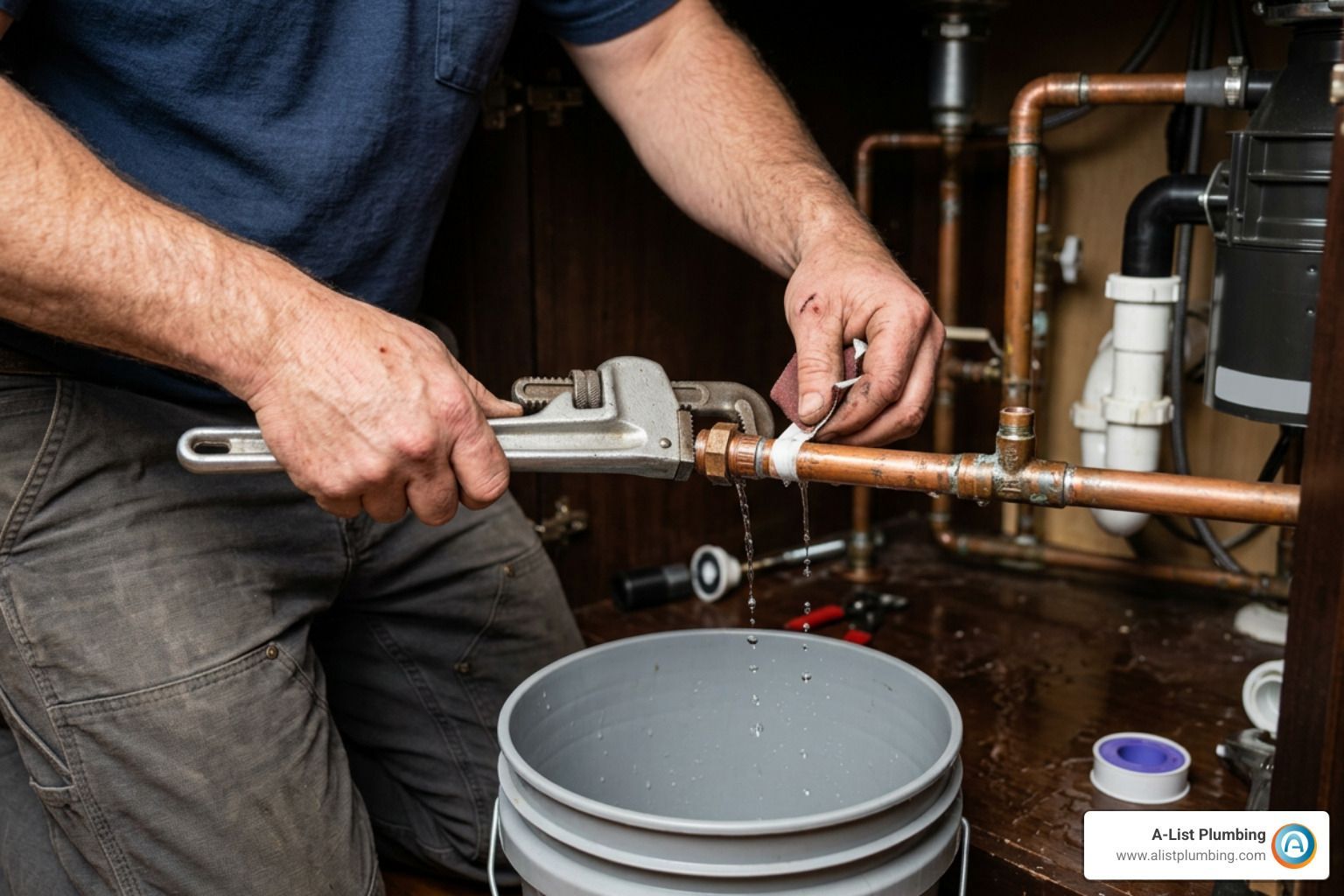


Emergency First Steps to Prevent Overflow and Prepare the Bowl
To clear a clogged toilet, grab a flange plunger first: stick the rubber flange right into the drain opening, tilt it so the cup fills with water, push down to get an airtight seal, and give it 10 to 15 solid up-and-down plunges. If the water rushes down with a fast whoosh, flush once to make sure you're all set. If it's still backed up, you'll want to grab a manual closet auger to break up the clog.
Nothing causes instant panic quite like watching water rise in the bowl after a flush. Before you freak out, shut off the water right away so your bathroom floor stays dry.

- Reach behind the toilet base. Spot that oval shutoff valve on the supply line and turn it all the way clockwise.
- Pop the tank lid off. If the valve won't budge, lift the porcelain lid off the tank, reach in, and push down on the rubber flapper over the hole at the bottom.
- Lift the float. This stops the valve from sending more water into the tank while you handle things.
Once the water stops rising, get your gear ready. Throw on some sturdy rubber gloves and eye protection so dirty water doesn't splash on you. Put down old towels around the base to catch drips. If the bowl is full to the brim, scoop out about half the standing water into a bucket using a disposable cup. You want enough water to cover your plunger head, but plenty of room so nothing sloshes over the rim.
If water keeps bubbling up from the base or drains no matter what you do, reach out to our team for quick clogged toilet repair across the Greater Seattle area (we've verified this link is fully working).
Proven DIY Techniques to Clear Clogged Toilet Fixtures Fast
Most everyday toilet clogs can be knocked out with basic tools and a bit of patience. The trick is putting direct pressure right where the clog sits without scratching up your porcelain.
Using a Flange Plunger to Clear Clogged Toilet Drains
Skip the flat cup plunger here—those are made for flat sinks and tubs. For a toilet, you need a flange plunger with that extra rubber sleeve sticking out under the cup.
- Set the flange: Pull out that extra rubber fold and stick it straight into the drain hole at the bottom of the bowl.
- Burp the cup: Tip the plunger a bit so the bell fills up with bowl water instead of air. Water doesn't compress, so it pushes all that force right against the clog.
- Get a tight seal: Push down firmly until you have a solid seal over the drain.
- Plunge away: Pump straight up and down with 10 to 15 energetic thrusts. Push down to build pressure, but snap up quickly to yank the clog loose with suction.
- Check the flow: Pull the plunger away. If the water drains with a fast whoosh, you're good to go.
If the bowl is still draining super slow after a few rounds, take a look at these handy tips on how to unclog a drain pipe fast(link verified and active) to see how different plumbing lines react.
When and How to Operate a Manual Toilet Auger
When plunging doesn't cut it against thick paper or an accidental dropped item, a closet auger gives you the extra muscle you need. Toilet augers have a curved rubber boot that protects your porcelain from ugly metal scratches.
- Pull the cable back: Crank the handle up until the coiled head sits tight against the rubber curve.
- Place the elbow: Put that curved rubber tip right into the drain hole pointing toward the back.
- Feed the cable: Turn the handle clockwise while gently pushing down to thread the flexible steel cable through the trapway.
- Snag the clog: When you feel resistance, stop forcing it. Keep turning the crank so the coil grabs the clog or tears through it.
- Pull it out: Slowly crank backward and pull the line out, tossing any pulled-out gunk straight into a trash bag.
If the blockage is sitting further down than a 3-to-6-foot auger can reach, our local crew offers expert drain snake service in Seattle(link verified and active) with motorized equipment to clear deep line backups.
Safe Household Alternatives and Tools When You Don't Have a Plunger
Got caught without a plunger? No worries—you can often clear simple paper clogs using everyday items around the house to lube up the trapway and get things moving.
Household Remedies to Clear Clogged Toilet Blockages Without a Plunger
Liquid dish soap makes everything slick so stubborn paper can slide right through the trap.
- Add dish soap: Squirt about 1/2 cup of liquid dish soap (like Dawn) straight into the bowl. It's heavy enough to sink right to the bottom.
- Let it sit: Give it 15 to 20 minutes to soak into the paper and coat the pipes.
- Pour hot tap water: Pour about a gallon of hot tap water from waist height right into the middle of the bowl. The height adds gentle pressure without spilling over.
- Baking soda and vinegar fizz: You can also dump 1 cup of baking soda into the bowl, followed by 2 cups of white vinegar. Let that bubbly mix fizz away for 30 minutes, then flush with hot tap water.
Mechanical Household Hacks and Safety Precautions
If liquids alone don't knock it loose, try these simple mechanical tricks:
- Wire coat hanger: Untwist a wire hanger, straighten it out, and leave a tiny hook on the end. Wrap some electrical tape on the tip so you don't scratch the porcelain, then gently fish it in to snag compacted paper.
- Toilet brush trick: Slip a plastic grocery bag over your toilet brush head, tie it off with a rubber band, and pump it like a makeshift plunger over the drain hole.
- Shop-vac wet extraction: If a hard plastic toy or cap fell in, plunging will just wedge it tighter. Take the filter out of a wet/dry shop vac, seal the hose into the drain hole with an old towel, and suck the object right out.
Whatever you do, skip the harsh chemical drain openers. Chemical gels pack strong acids or lye that create intense heat, which can warp PVC pipes, melt wax seals, and release nasty fumes. Plus, if you plunge afterward, that burning liquid can splash right back at you. For sinks, you can check product specs like Liquid-Plumr® Urgent Clear®(link verified and functional) to make sure it's safe for that specific fixture first.
Identifying Toilet Trap Obstructions Versus Main Sewer Line Backups
Before you spend an hour plunging, let's figure out if you're dealing with just a stuck toilet or a full-on sewer line backup.
| What You Notice | Single Toilet Clog | Main Sewer Line Blockage |
|---|---|---|
| Which Fixtures Act Up | Just one toilet is backed up | Multiple drains and toilets act crazy |
| Tub & Shower Reactions | Tubs and showers drain fine | Dirty water bubbles up into your shower pan |
| Sounds You Hear | Quiet in other rooms | Gurgling sounds from sinks when water runs |
| Water Level Changes | Water rises only in that one toilet | Water backs up in floor drains during laundry |
| Best Tool to Fix It | Flange plunger or closet auger | Heavy-duty 50–75 ft electric snake or hydro jet |
When multiple drains go down at the same time, working on just the toilet won't fix the real problem. To learn how whole-house plumbing lines work together, check out this guide on clearing a main sewer line clog(link verified and active). And if you're in Bothell, Shoreline, or Edmonds and need hands-on help right away, our team provides fast emergency drain cleaning service(link verified and active).
Warning Signs Requiring Professional Equipment
Keep an eye out for these telltale signs that mean you need heavy-duty plumbing gear:
- Nasty sewer smells: Lingering rotten-egg odors coming out of drains or vents mean dried traps or venting troubles.
- Basement floor drain backups: Water creeping up into basement floor drains when upstairs toilets flush means a deep clog in the main stack.
- Clogs popping up every few months: If your toilet clogs constantly even when you're careful, you're likely dealing with tree roots, pipe scale, or sagging pipes.
For stubborn buildup and roots, our pros use heavy-duty hydro jetting services(link verified and active) to blast pipe walls totally clean with water pressure up to 4,000 PSI without using harsh chemicals.
Long-Term Clog Prevention and Safe Bathroom Habits
Keeping your pipes happy and clear comes down to a few easy daily habits. Modern toilets don't use tons of water, so they count on clear pipes to keep everything flowing smoothly.
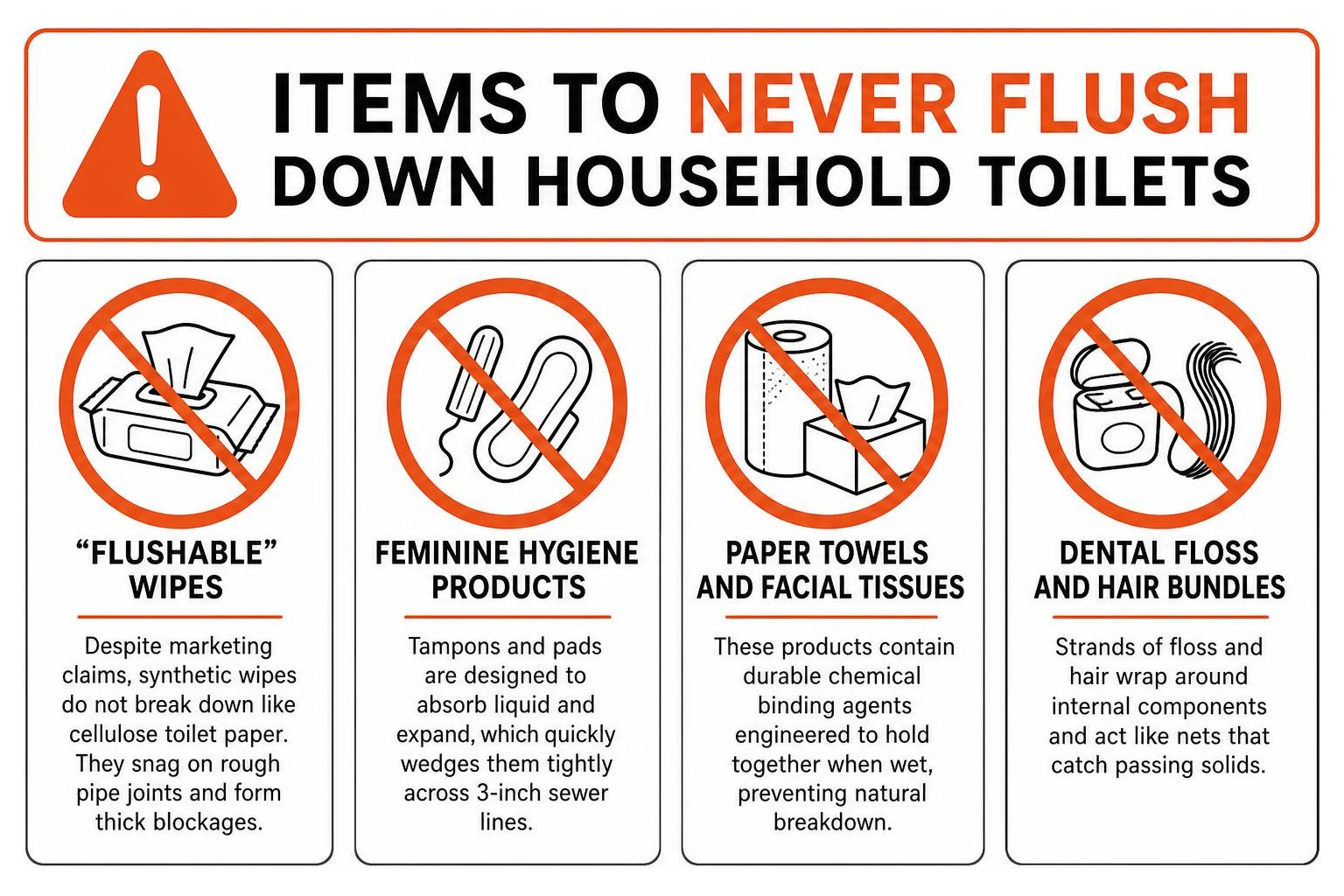
Keep these everyday items out of your toilet bowl:
- "Flushable" wipes: Even if the box says flushable, these wipes don't dissolve like toilet paper. They catch on pipe joints and build massive blockages.
- Feminine hygiene products: Tampons and pads swell up with water, which quickly jams up standard 3-inch pipes.
- Paper towels and tissues: These are built tough so they don't fall apart when wet, meaning they stay solid in your pipes.
- Dental floss and hair: Floss and hair wrap around pipe corners and turn into little nets that trap waste.
- Grease and food scraps: Grease hardens as it cools, coating the inside of your pipes and snagging everything that tries to pass by.
If your home is surrounded by big trees or has older cast-iron pipes, getting a professional drain inspection every 18 to 24 months is a great way to catch issues before they turn into messy backups.
Frequently Asked Questions About Clearing Blocked Toilets
How long should you attempt DIY methods before calling a plumber?
Give it about 30 to 60 minutes tops. If your plunger and auger haven't done the trick by then, continuous plunging can actually break the wax seal under your toilet and cause hidden leaks under the floor.
Why is boiling water dangerous to pour down a toilet bowl?
Boiling water can instantly crack a cold porcelain bowl from thermal shock. It can also melt the wax seal ring underneath or warp PVC pipes. Stick with warm or hot tap water under 140°F instead.
What should you never pour into a clogged toilet?
Never dump store-bought chemical drain cleaners, sulfuric acid, or crystal lye down a clogged toilet. They just sit in the trapped bowl water, eat away at your gaskets, and pose a major chemical burn risk if you try plunging later.
Conclusion
Dealing with a clogged toilet is definitely a pain, but taking quick action keeps things from turning into an overflow disaster. Turn off that water valve, grab your flange plunger, and try out simple hot water and soap tricks for everyday paper clogs. If plunging and augering don't do the trick, or if multiple drains in your house are acting up, calling in a pro will save you time and headaches.
At A-List Plumbing, we back up our work with over 22 years of hands-on experience, same-day service, and clear, upfront pricing across Lynnwood, Seattle, Shoreline, Edmonds, and Bothell. Whether you're stuck with a midnight emergency or want routine residential plumbing(link verified and active) care, our friendly certified crew is ready to get your bathroom running smoothly again!