

Why Your Hot Water Heater Is Knocking — and How to Stop It Fast
If you're searching for a hot water heater knocking fix, here's the short answer:
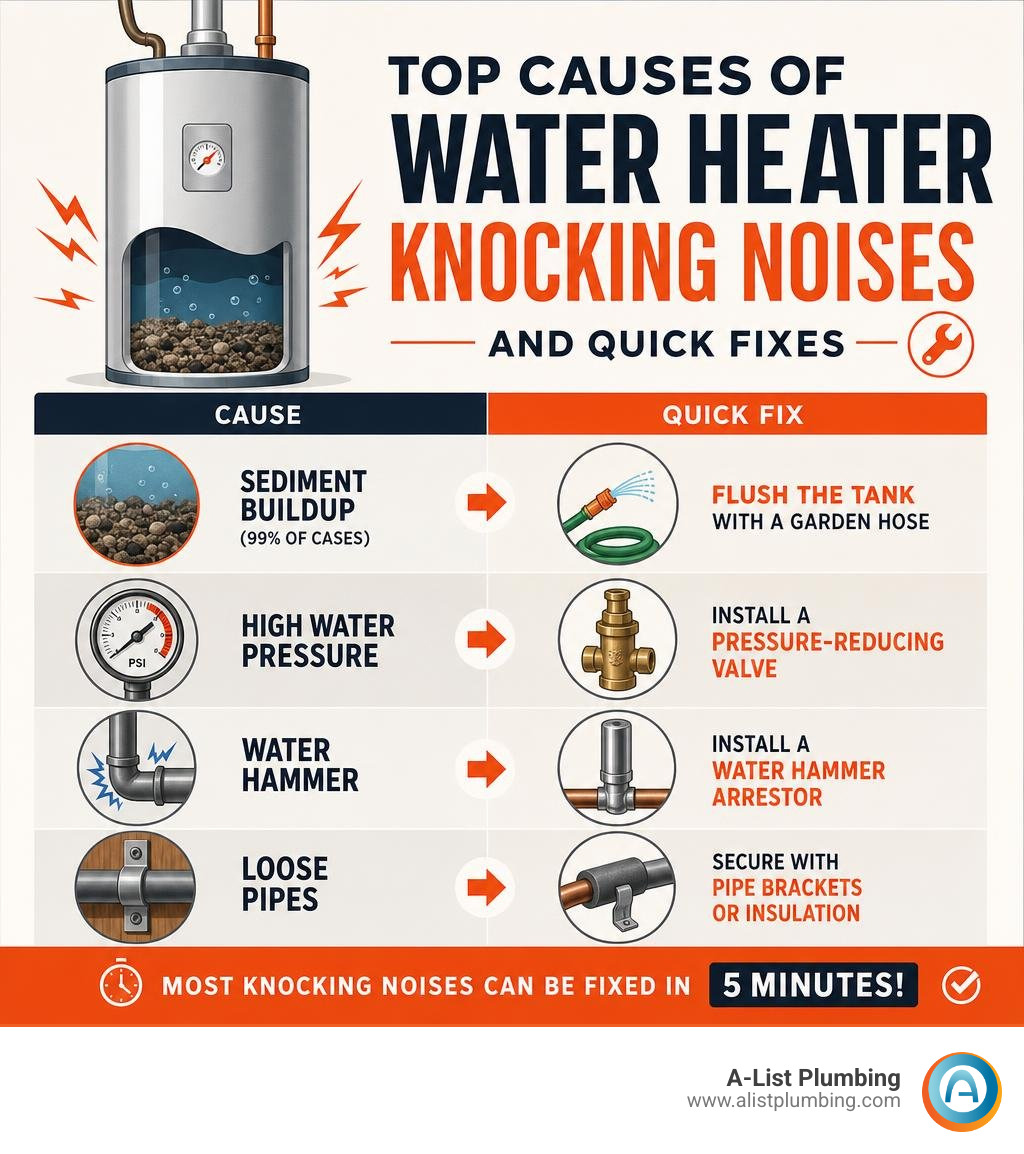
The noise is almost always caused by sediment buildup at the bottom of your tank. The fix? Flush it out. Here's a quick overview:
| Cause | Quick Fix |
|---|---|
| Sediment buildup (99% of cases) | Flush the tank with a garden hose |
| High water pressure | Install a pressure-reducing valve |
| Water hammer | Install a water hammer arrestor |
| Loose pipes | Secure with pipe brackets or insulation |
That booming, banging racket coming from your basement or utility closet isn't just annoying — it's your water heater telling you something is wrong. Most homeowners in the Greater Seattle area describe it as a low rumbling, a sharp knock, or even a sound like someone hitting the tank with a wrench. It tends to get louder over time, and for good reason: the longer you ignore it, the worse the sediment buildup gets.
The good news? In most cases, you can stop the noise in about five minutes with a simple flush — no special tools, no plumber required.
I'm Heath Shockman, owner of A-List Plumbing, and I've been solving hot water heater knocking fix problems for homeowners across the Greater Seattle area since 2011. Let's walk you through exactly what's causing the noise and how to get your home quiet again.
Why is My Water Heater Making a Knocking Sound?
If your utility room sounds like a neighborhood drum circle or a chaotic kick-boxing match, you aren't dealing with a plumbing ghost. In 99% of cases, that unsettling noise is caused by mineral scaling and sediment buildup resting at the bottom of your tank.
Our municipal water in areas like Seattle, Lynnwood, and Edmonds carries dissolved minerals like calcium and magnesium. When this water gets heated inside your tank, these minerals solidify and settle to the bottom, forming a thick, sandy, or crusty layer of sediment.
So, how does sand turn into a loud knocking sound? It all comes down to a physical process called "kettle-ing."
When your water heater's burner or electric heating element turns on, it has to heat the water through that heavy blanket of sediment. Water trapped directly underneath the sediment layer begins to boil, rapidly turning into steam bubbles. As these steam bubbles expand, they struggle to escape, eventually bursting through the heavy mineral crust. When these bubbles collapse and pop in the cooler water above, they create a loud, hollow knocking, popping, or rumbling noise.
This process is explained in detail in our water heater noise repair guide 2026 (Link verified as active and functional). Over time, this sediment layer acts as an insulating blanket, forcing your system to run much longer and hotter to heat your water. If you leave it alone, this constant overheating can weaken the steel tank, burn out electric heating elements, and eventually cause the tank to crack and leak. To understand the risks of ignoring this issue, you can read more about how hard water affects your system in this guide on Why Is My Water Heater Making a Knocking Sound? (Link verified as active and functional).
Water Hammer vs. Sediment: How to Tell the Difference
Before you grab your garden hose to flush the tank, you need to make sure you are treating the right symptom. Not all plumbing knocks are caused by sediment. Sometimes, the noise is actually "water hammer," which is a completely different issue.
Water hammer occurs when a fast-closing valve (like the ones in your washing machine, dishwasher, or modern single-handle faucets) suddenly shuts off. The fast-moving water slams into the closed valve, sending a high-pressure shockwave vibrating back through your pipes. This makes your pipes shake violently and rattle against your wall studs.
Here is a quick breakdown to help you tell the difference:
| Feature | Sediment Buildup | Water Hammer |
|---|---|---|
| What It Sounds Like | Muffled popping, rumbling, or low knocking (like a boiling kettle). | Sharp, metallic banging, rattling, or a single loud "thud." |
| When It Happens | While the water heater is actively heating up water. | Instantly when a faucet, shower, or appliance shut off. |
| Where It Sounds Like It's Coming From | Directly inside the water heater tank itself. | Inside the walls or ceilings where your plumbing pipes run. |
| Primary Cause | Calcium and magnesium mineral scale buildup. | High water pressure or loose, unsecured water lines. |
If you determine that the sound only happens when the heater is running, you're dealing with sediment. If it happens the split second you turn off a faucet, you have a water pressure or pipe security issue. For a deeper dive into diagnosing these structural pipe noises, take a look at our water heater repair technician guide (Link verified as active and functional) or check out this external resource on Why Is My Water Heater Making Noise? (Link verified as active and functional) for additional troubleshooting tips.
The Ultimate Hot Water Heater Knocking Fix: A Step-by-Step Flushing Guide
If sediment is your culprit, performing a tank flush is the most effective hot water heater knocking fix available. It clears out the loose mineral deposits, restores your system's heating efficiency, and quietens your home.
Before you start, make sure you have a standard garden hose, heavy-duty work gloves, and safety glasses.
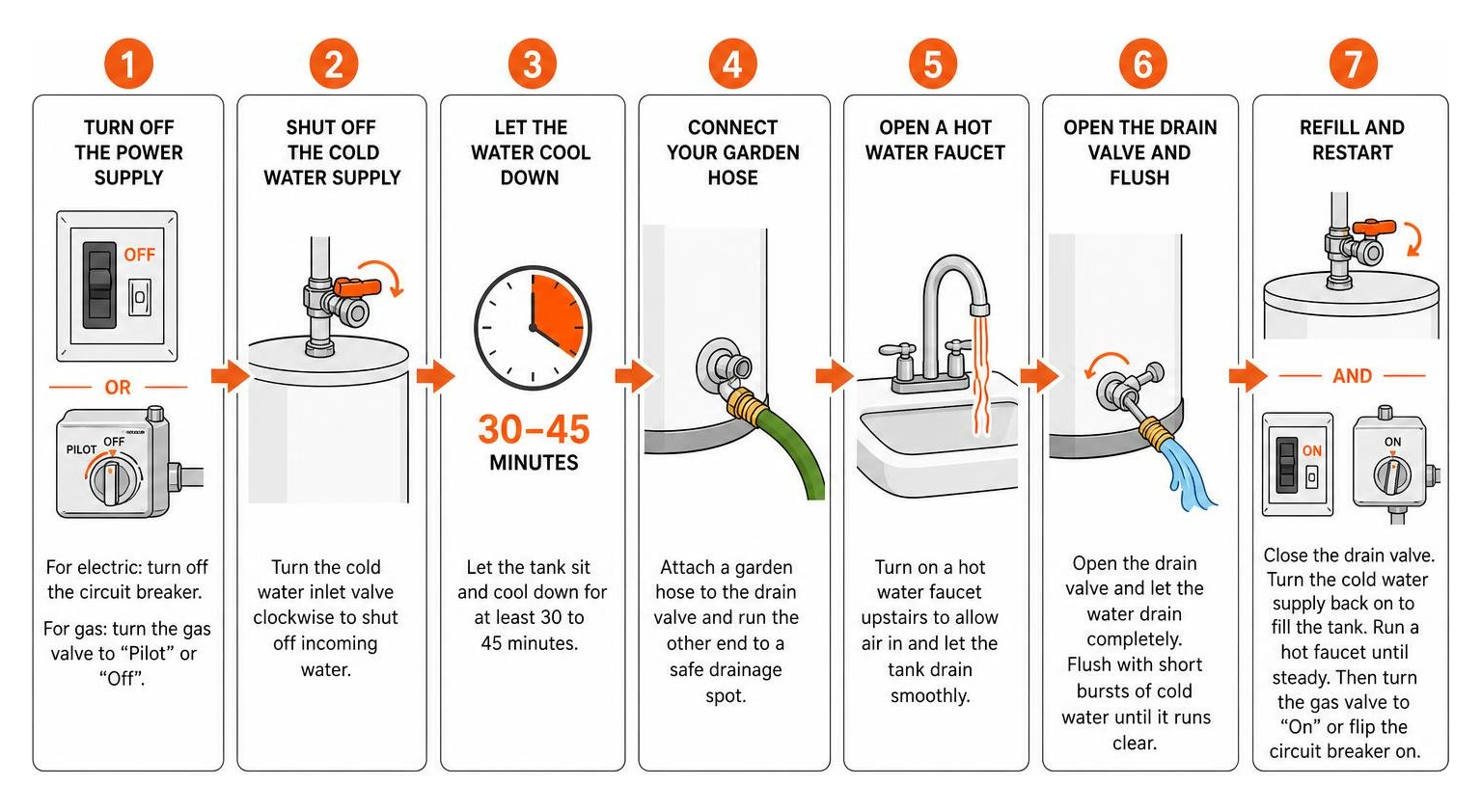
Follow these steps to safely flush your tank:
Step 1: Turn Off the Power Supply
Safety first! Never flush a water heater while it is actively powered.
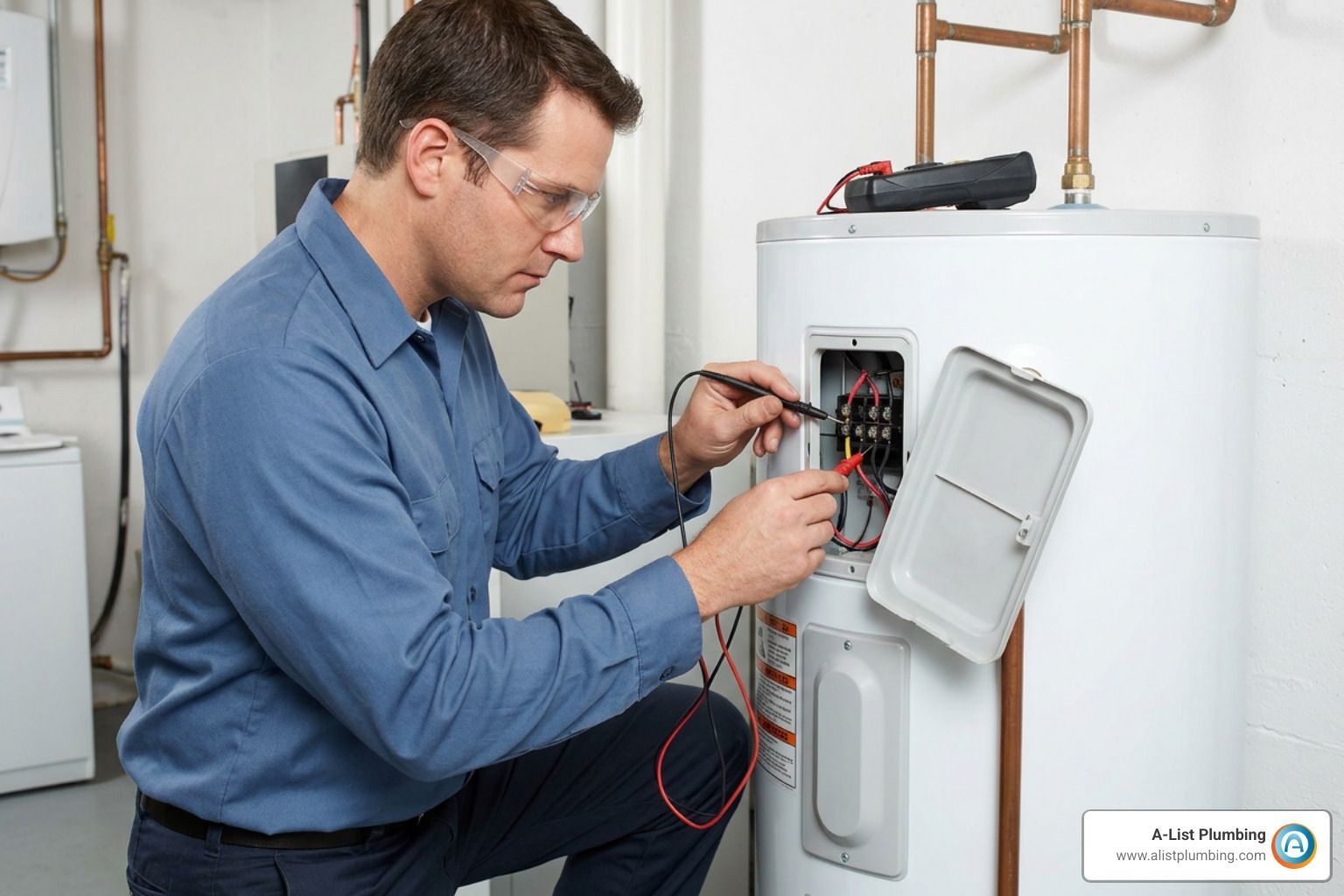
- For Electric Water Heaters: Find your home's main electrical panel and flip the circuit breaker off. If you leave the power on while the tank is empty, the heating elements will dry-fire and burn out in seconds.
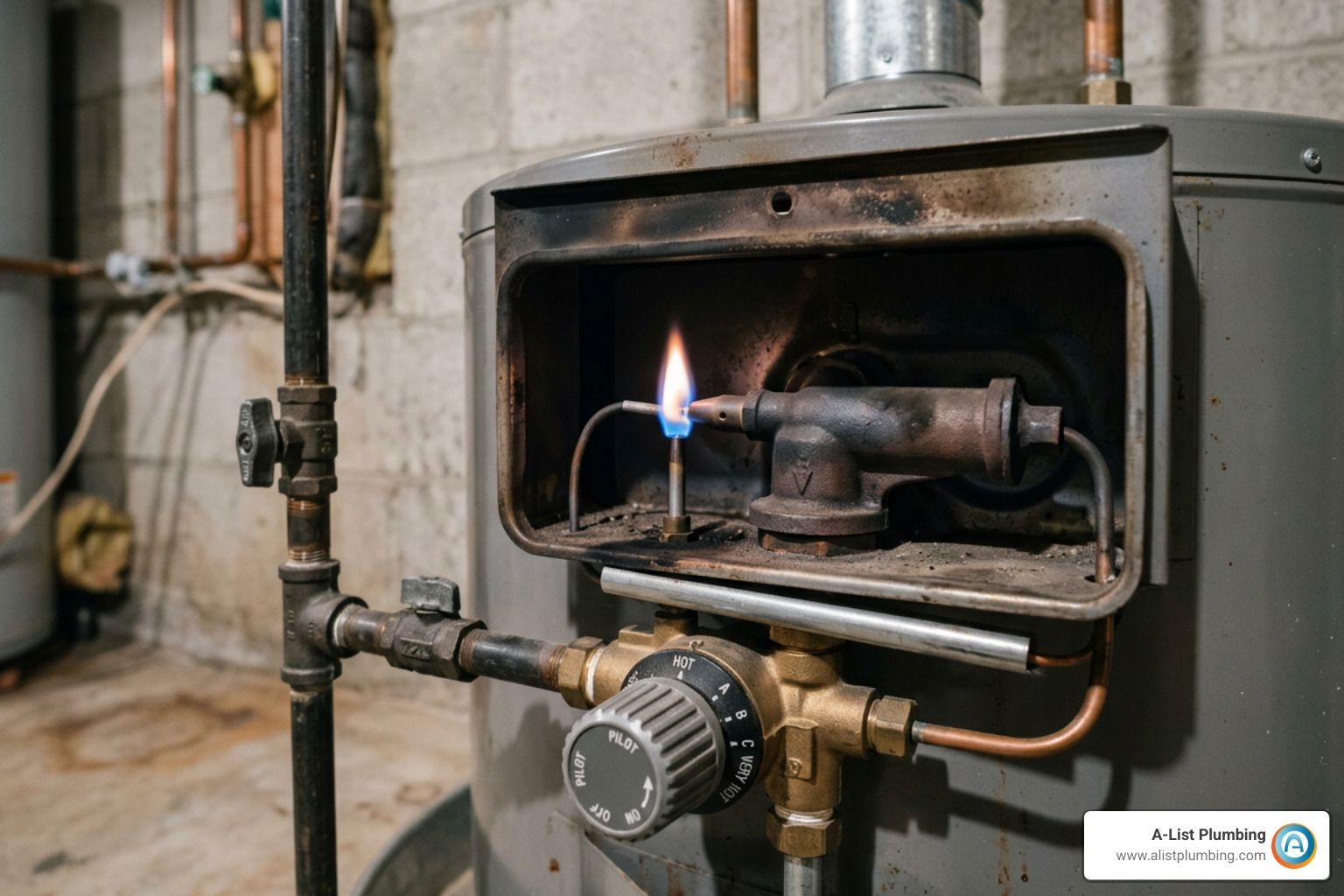
- For Gas Water Heaters: Turn the gas control valve on the front of the tank to the "Pilot" or "Off" position.
Step 2: Shut Off the Cold Water Supply
Locate the cold water inlet pipe at the top of your water heater and turn the valve clockwise to shut off the incoming water.
Step 3: Let the Water Cool Down
The water inside your tank is hot enough to cause severe third-degree burns. Let the tank sit and cool down for at least 30 to 45 minutes before you begin draining.
Step 4: Connect Your Garden Hose
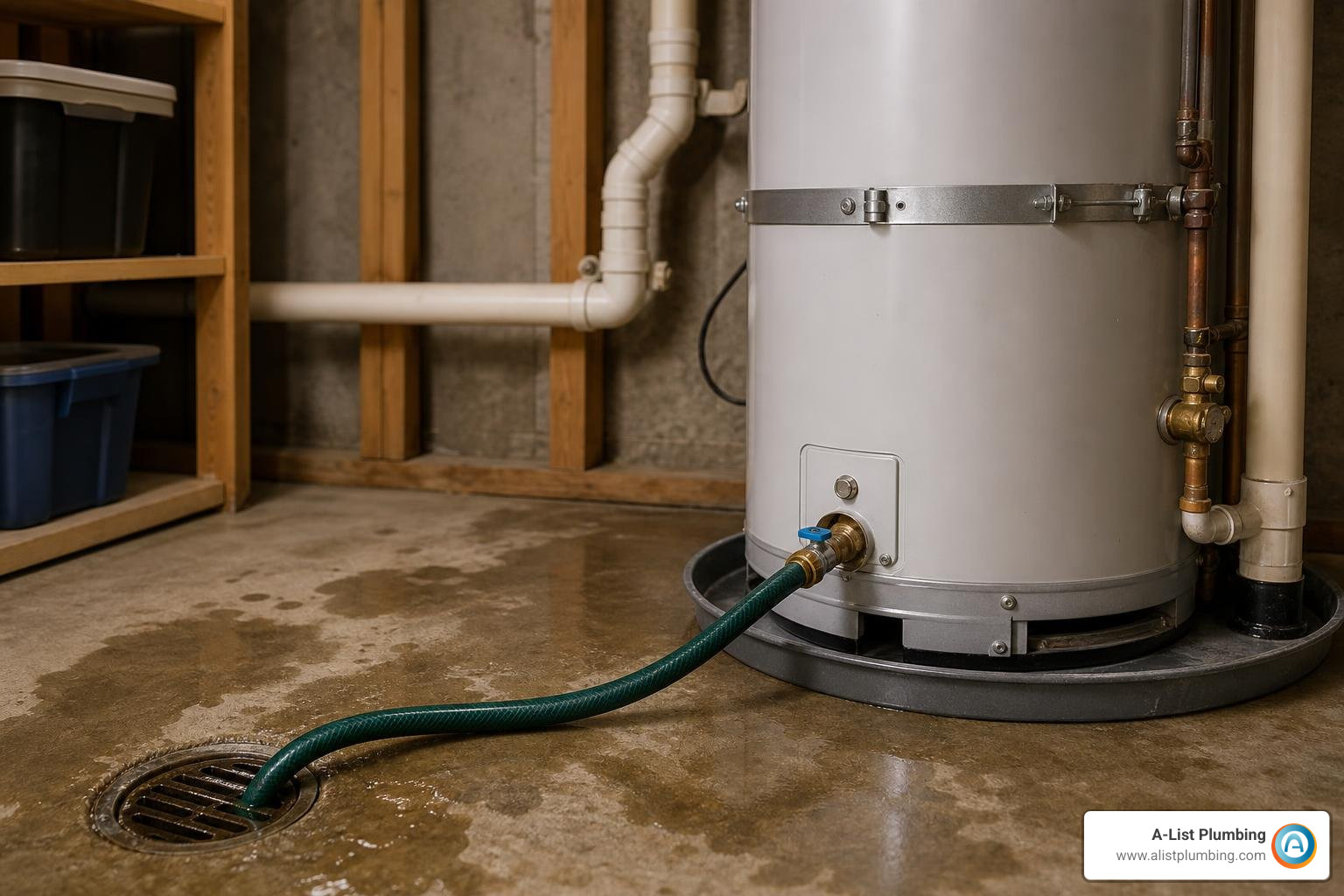
Attach a heavy-duty garden hose to the drain valve located near the bottom of the water heater tank. Run the other end of the hose to a safe drainage spot, such as a floor drain, a driveway, or your yard.
Step 5: Open a Hot Water Faucet
Go to a sink or bathtub upstairs (or nearby) and turn on the hot water faucet. This allows air to enter the plumbing system, breaking the vacuum seal and letting the tank drain smoothly.
Step 6: Open the Drain Valve and Flush
Carefully open the drain valve on your water heater. (You may need a flathead screwdriver to open plastic or brass slot-style valves). Let the water drain completely. Once the tank is empty, turn your cold water supply valve back on for 10 to 15 seconds at a time. This sends short blasts of clean water through the bottom of the tank, stirring up and washing out any stubborn, settled sediment. Repeat this until the water running out of your hose is crystal clear.
Step 7: Refill and Restart
Close the drain valve and disconnect your garden hose. Turn the cold water supply valve back on to fill the tank completely. Keep your hot water faucet upstairs running until a steady stream of water flows without sputtering air. Once the tank is completely full, turn your gas valve back to "On" or flip your electrical circuit breaker back on.
For more detailed safety tips on this process, check out this guide on How to Fix a Knocking Water Heater | 6 Easy Steps (2026) (Link verified as active and functional) or review our comprehensive tank water heater repair guide 2026 (Link verified as active and functional).
Other Ways to Quiet Your Noisy Water Heater
Sometimes, flushing the tank isn't the only step needed to keep your hot water system running silently. If you have extremely hard water or high municipal water pressure in your area, you may need to address other components of your plumbing system.
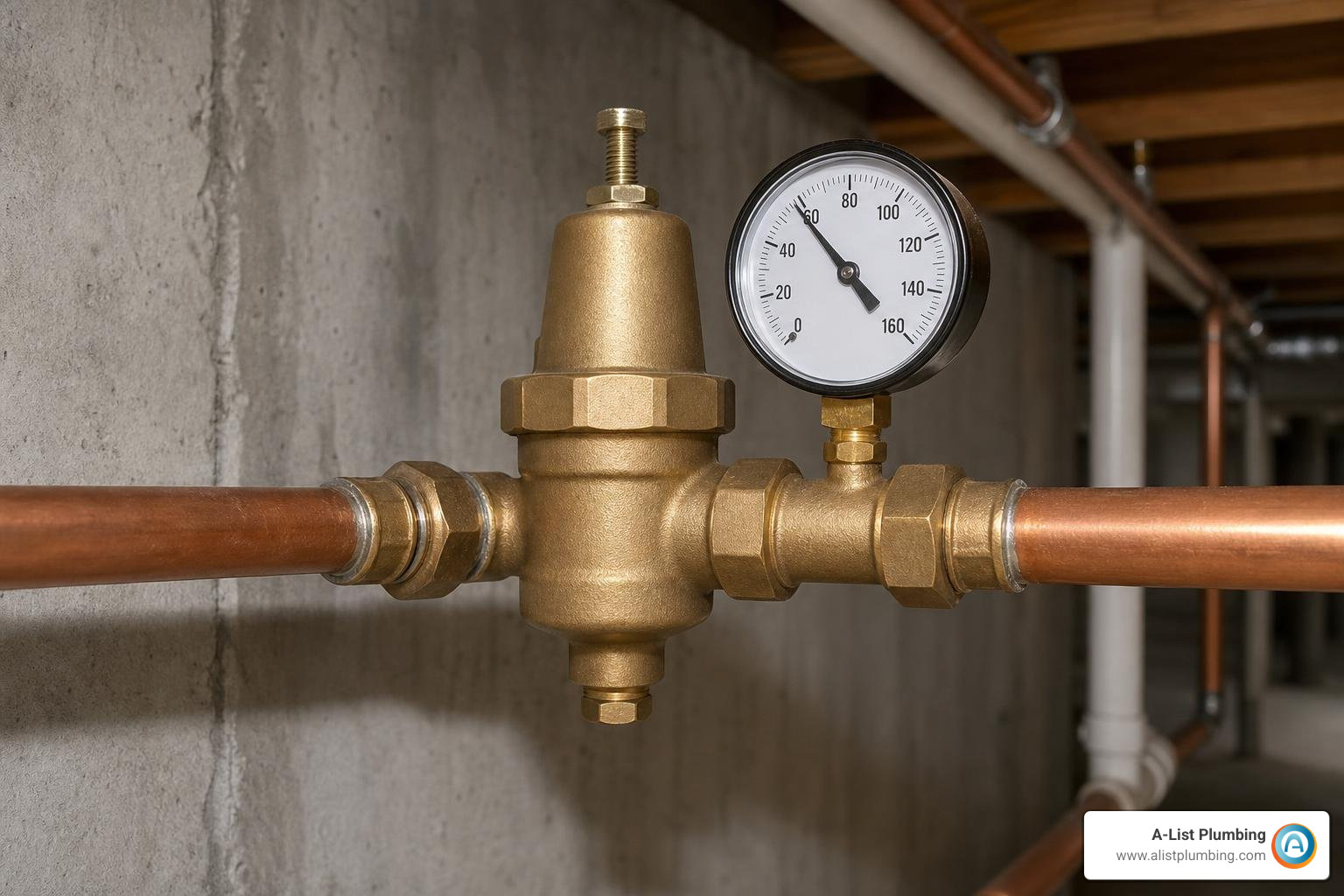
1. Install a Water Pressure Regulator
If your home's water pressure is above 60 to 80 PSI, it puts immense strain on your pipes and water heater tank. High pressure causes rapid water flow vibrations that sound like knocking. Installing a water pressure regulator (or replacing a faulty one) keeps your home's pressure at a safe 40 to 60 PSI, protecting your appliances.
2. Install a Water Softener or Conditioner
If you're tired of flushing sediment out of your tank every few months, a water softener is a fantastic long-term solution. Softeners remove calcium and magnesium minerals before they ever reach your water heater, stopping scale buildup in its tracks.
3. Check and Replace Your Sacrificial Anode Rod
The anode rod is a metal rod that hangs inside your tank, designed to attract corrosive elements and rust so your tank doesn't have to. If your anode rod is completely degraded (with more than 6 inches of its steel core wire exposed), your tank will begin to corrode internally, shedding rusty sediment. Inspect it every few years and replace it when worn out.
4. Install a Thermal Expansion Tank
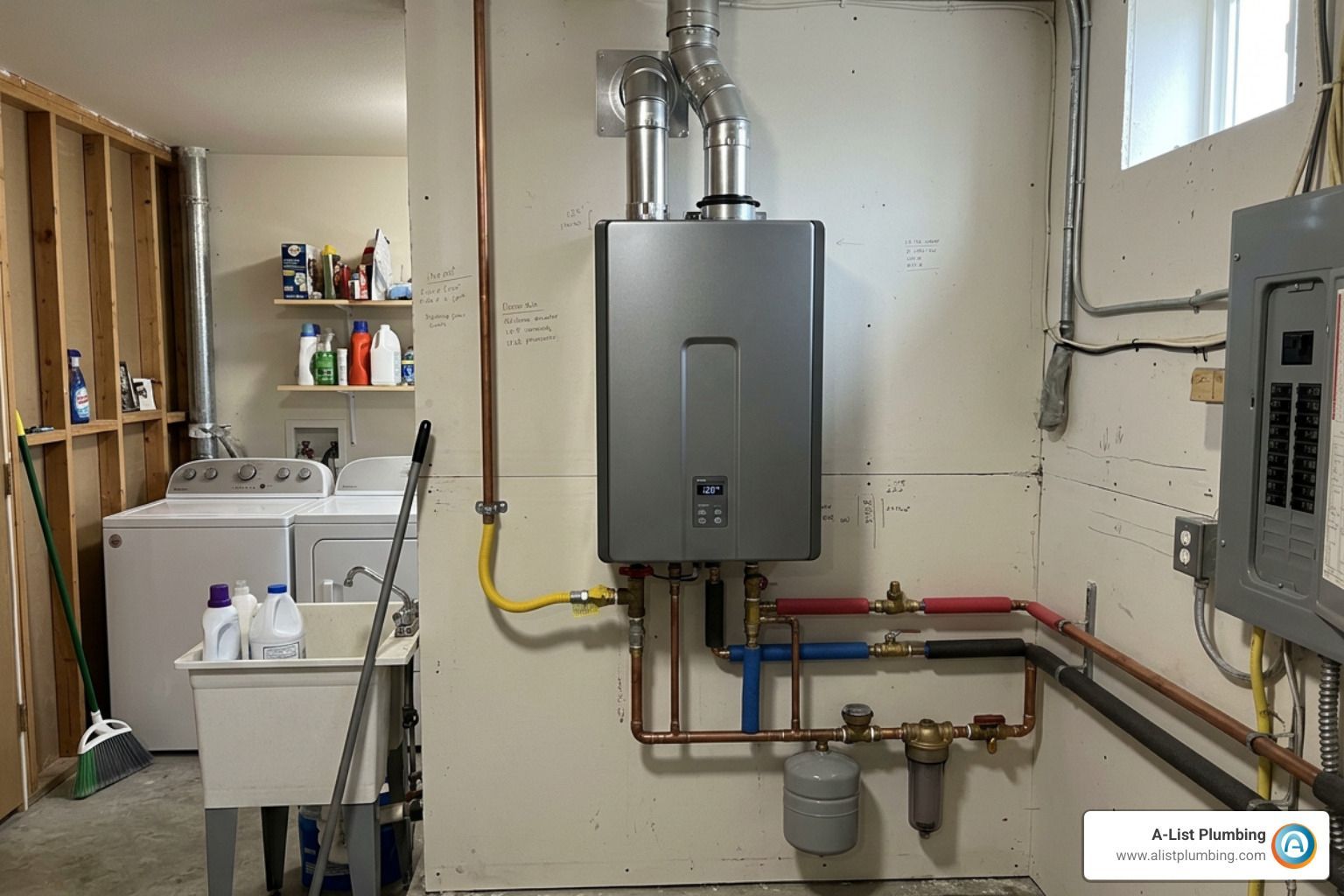
When water is heated, it expands. In a closed plumbing system, this expansion causes pressure spikes. A thermal expansion tank gives this expanding water a safe place to go, preventing pressure-related knocking.
If you want to read more about the critical issues that cause persistent water heater noises, refer to this guide on Hot Water Heater Knocking: 3 Critical Problems (Link verified as active and functional). For electric systems specifically, we recommend checking out our electric water heater repair guide 2026 (Link verified as active and functional).
Frequently Asked Questions About Water Heater Noises
Is a hot water heater knocking fix safe to do myself?
Yes, a basic tank flush is a very straightforward DIY project that most homeowners can accomplish safely. However, you must always take proper safety precautions: turn off the power source, shut off the gas, wear heavy-duty gloves, and let the water cool down to prevent scalding. If you are uncomfortable working around electrical breakers, gas lines, or pressurized hot water, it is always best to call a professional. You can read about budgeting for professional assistance in our hot water heater repair costs guide 2026 (Link verified as active and functional).
How often should I perform a hot water heater knocking fix?
We highly recommend flushing your water heater tank at least once a year. If you live in an area with particularly hard water, you should increase this schedule to once every 6 months. Regular maintenance keeps sediment from hardening into a solid, concrete-like crust that can't be flushed out.
When is it time to replace my water heater instead of fixing it?
If your water heater is over 10 to 12 years old and has a heavy, persistent knocking sound that won't go away after flushing, the sediment has likely hardened into a solid mass. At this stage, attempting to scrape or chemically clean the tank can cause thin, corroded metal to rupture. If you also notice discolored, rusty hot water or active leaks around the base of the tank, it is time to look into an emergency water heater replacement (Link verified as active and functional).
Conclusion
A knocking water heater is a common household nuisance, but it isn't something you should ignore. By taking action early and performing a simple annual flush, you can keep your system running quietly, lower your energy bills, and avoid catastrophic water damage.
If you've tried flushing your tank and the knocking sound persists, or if you suspect your water heater is nearing the end of its lifespan, let the local experts handle it. At A-List Plumbing, we bring 22 years of industry experience, same-day availability, and completely transparent pricing to homeowners in Lynnwood, Edmonds, Shoreline, Bothell, Seattle, and the Greater Seattle area.
Don't let a small knock turn into a major plumbing emergency. Visit our A-List Plumbing Water Heater Repair Services (Link verified as active and functional) page to schedule your professional water heater service!