

Why a Clogged Floor Drain Is a Problem You Can't Ignore
Unclog floor drain blockages fast with these proven steps:
- Remove the drain cover and pull out any visible debris by hand
- Plunge the drain using an accordion-style plunger with a firm seal
- Pour baking soda then white vinegar down the drain, wait 15–20 minutes, flush with hot water
- Feed a 25-foot drum auger into the drain, rotate clockwise, and pull out the clog
- Call a professional if sewage is backing up, multiple drains are slow, or the clog keeps returning
Your outdoor floor drain quietly does one of the most important jobs in your home — channeling away rainwater, appliance overflow, and runoff before it has a chance to flood your basement or garage. Most homeowners in the Greater Seattle area don't think about it until something goes wrong.
And when it does go wrong, it usually happens fast. Water pools on the floor. A foul smell drifts up from below. Or worse — sewage starts backing up after a heavy April rainstorm, and suddenly it's an emergency.
The good news? Most floor drain clogs can be cleared without digging up your yard or calling in a crew. The key is knowing which method to use and when to escalate.
I'm Heath Shockman, owner of A-List Plumbing since 2011, and I've spent years helping Northwest homeowners unclog floor drain systems in basements, garages, and utility rooms — including the tough cases involving tree roots and seasonal debris common in this region. Let's walk through exactly what to do.
Understanding Your Home Drainage System
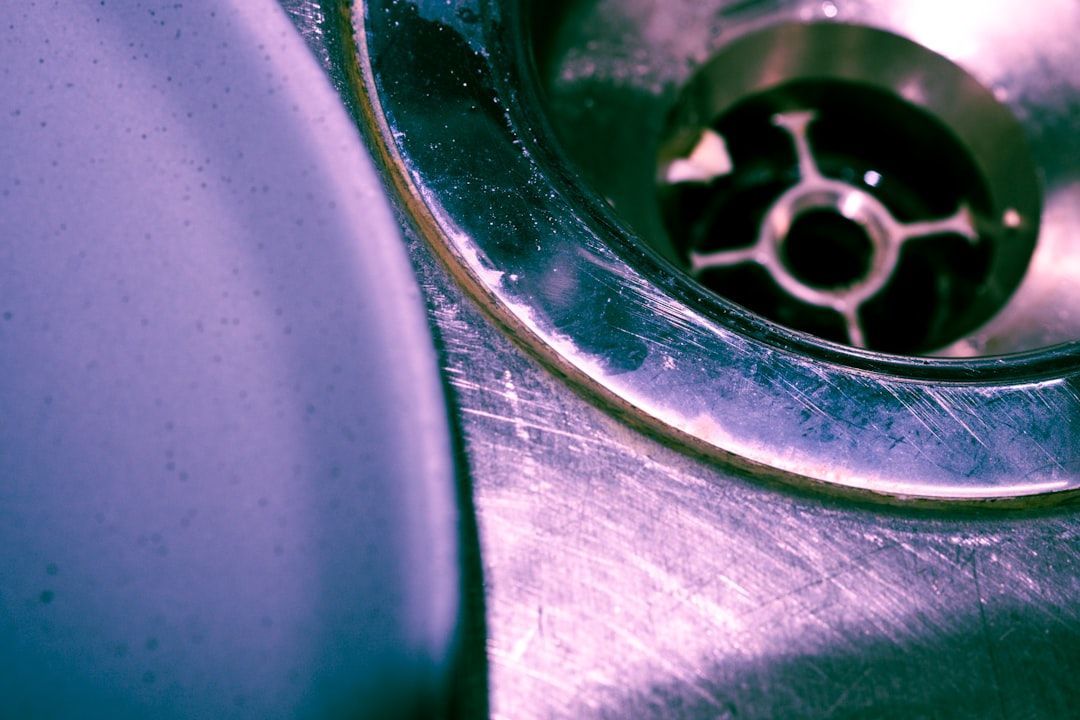
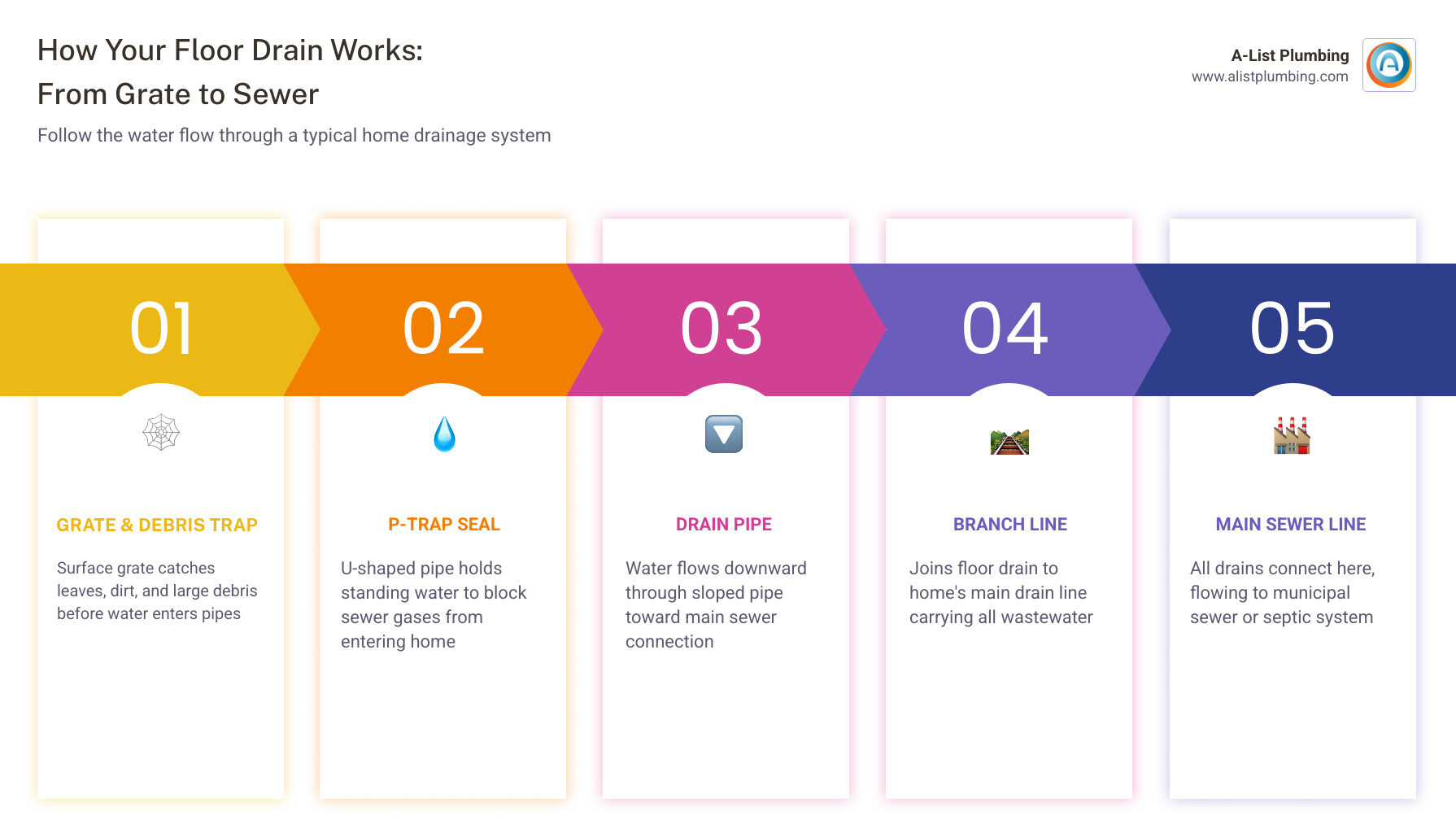
To effectively unclog floor drain pipes, you first need to understand how they are built. Most floor drains, whether they are in your basement, garage, or laundry room, look like a simple grate on the floor. However, beneath that grate is a U-shaped pipe called a P-trap.
The purpose of the P-trap is to hold a small amount of standing water. This water acts as a literal seal, preventing foul-smelling sewer gases from rising out of the pipes and into your home. When a floor drain is working correctly, water flows through this trap and eventually joins your home’s main sewer line.
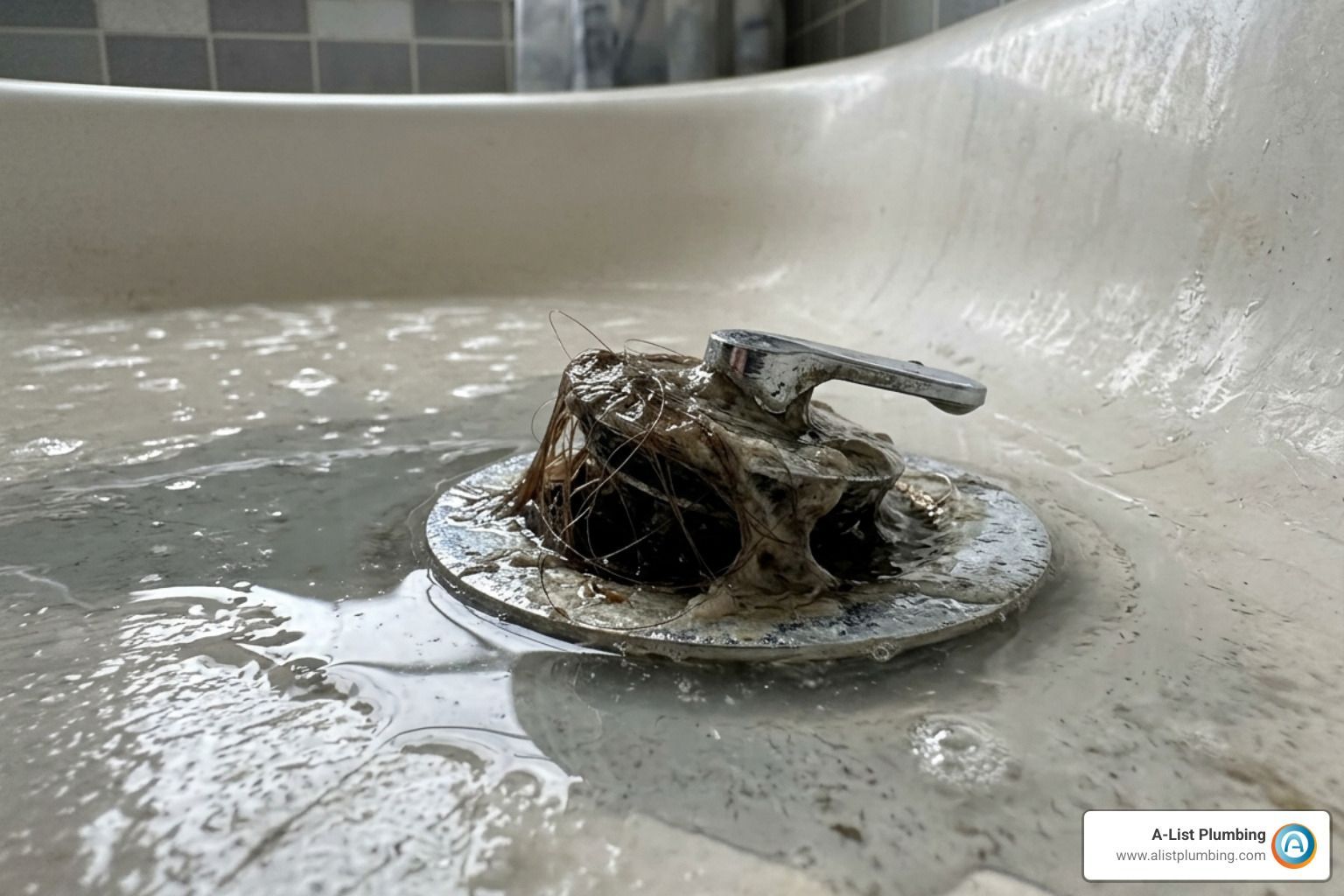
In the Pacific Northwest, especially around Seattle and Lynnwood, floor drains are often the "unsung heroes" during our rainy April seasons. They capture overflow from washing machines, water heaters, and heavy rainfall. However, because they are flush with the floor, they easily collect "floor debris" like hair, dust, lint, and pet hair. Over time, this debris settles in the trap, creating a thick muck that prevents water from passing.
It is important to distinguish between a localized blockage and a main line issue. According to How to Unclog Any Drain, a localized clog only affects one drain. If your basement floor drain is backing up but your kitchen sink and upstairs shower are draining perfectly, the problem is likely right there in the floor drain trap. However, if multiple fixtures are backing up simultaneously, you are likely dealing with a Clogged Drains issue in the main sewer line, which requires a different approach.
How to Unclog Floor Drain Systems Using DIY Methods
Before you start, gather your safety gear. We always recommend wearing rubber gloves and eye protection. If you are working in a tight basement or utility room, ensure there is plenty of ventilation, especially if you’ve tried using any store-bought cleaners previously.
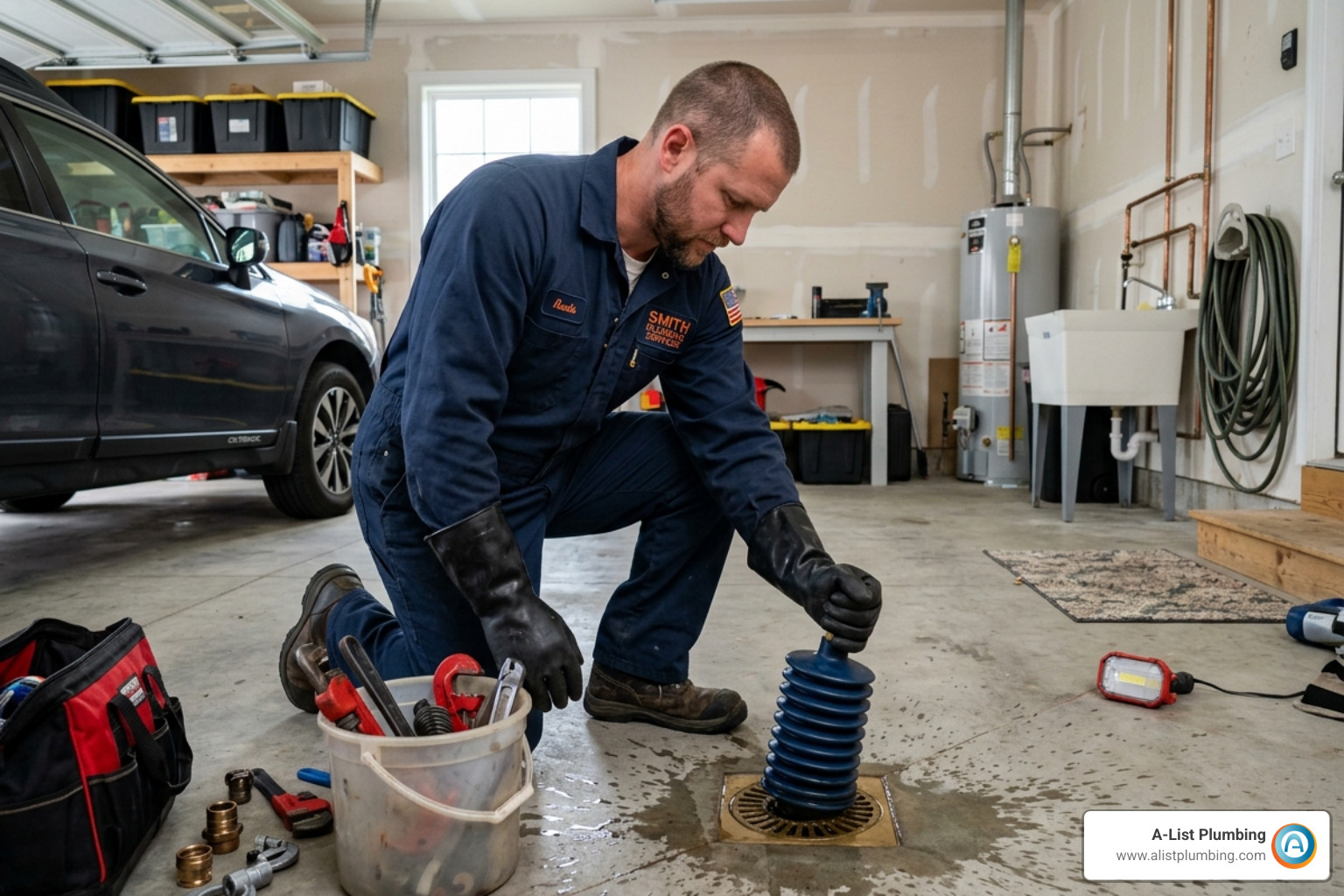
When you set out to unclog floor drain blockages, the "easiest and cheapest" method is almost always the best place to start. As noted in How To Clear a Clogged Drain | HowStuffWorks, starting with mechanical pressure is often more effective than jumping straight to harsh chemicals.
Step-by-Step Guide to Unclog Floor Drain Blockages
The humble plunger is your first line of defense. For floor drains, we recommend an accordion-style plunger. These are designed to push a larger volume of air and water than the standard "cup" plungers used for sinks.
- Remove the Grate: Use a screwdriver to pop off the drain cover. Reach in (with gloves!) and pull out any visible clumps of hair or lint.
- Create a Seal: To get the best results, smear a little petroleum jelly around the rim of the plunger. This helps create an airtight seal against the floor.
- Add Water: Ensure there is enough standing water in the drain to cover the head of the plunger. If the drain is dry, pour a gallon of water in first.
- Plunge Vigorously: Place the plunger over the opening and push down firmly to exhaust the air. Then, pump up and down rapidly for 15–20 seconds. The goal is to create a pressure vacuum that shatters the clog.
- Test the Flow: Pull the plunger away quickly. If the water vanishes with a "glug," you’ve succeeded. If not, repeat the process a few more times.
If you are in a neighborhood like Ballard or Queen Anne where homes are closer together, you might need Clog Drain Repair in Seattle expertise if the plunger simply won't budge the blockage.
Natural Solutions for a Clogged Floor Drain
If the plunger didn't quite do the trick, or if the drain is just moving slowly, you can use a classic chemical reaction to break down organic buildup. This is a great alternative to caustic store-bought acids that can damage older pipes.
- The Method: Pour one cup of baking soda directly into the drain. Follow it with one cup of white vinegar.
- The Reaction: The mixture will fizz and bubble. This isn't just for show; the reaction helps loosen grease, soap scum, and light sediment.
- The Wait: Let it sit for at least 15 to 30 minutes.
- The Flush: Boil a large pot of water (or use very hot tap water if you have PVC pipes) and pour it down the drain to flush away the loosened debris.
Homeowners looking for Clog Drain Repair in Shoreline often find that this "green" method handles minor laundry lint clogs perfectly.
Heavy-Duty Techniques for Stubborn Exterior Clogs
Sometimes a plunger and vinegar just aren't enough. If you’ve got a "hard" clog—something solid like a small toy, a thick mass of hair, or even tree roots—you need mechanical force.
Using a Sewer Jetter to Unclog Floor Drain Pipes
For clogs involving heavy grease or silt (common in garage floor drains), a sewer jetter is a game-changer. This tool attaches to a pressure washer and uses a "needle nose" nozzle to blast water backward and forward.
While a traditional snake just pokes a hole through a clog, a sewer jetter actually scrubs the inside walls of the pipe. This is vital for removing the sticky residue that causes clogs to return. If you are dealing with recurring issues, our Drain Rooter Services can provide the professional-grade version of this technology to ensure your pipes are truly clean.
Another DIY trick involves a garden hose and a water bladder. You can purchase a rubber bladder that attaches to your hose. When you turn on the water, the bladder expands to seal the pipe and then shoots a concentrated stream of water forward to blow out the obstruction. This is highly effective for Sewer Drain Clog Repairs for Seattle where clogs are located deep in the line.
Clearing Tree Roots and Main Line Obstructions
In older areas of Edmonds or Bothell, mature trees are a common cause of drain failure. Roots seek out the moisture inside your pipes and can enter through tiny cracks. Once inside, they grow into a thick "root ball" that no plunger can fix.
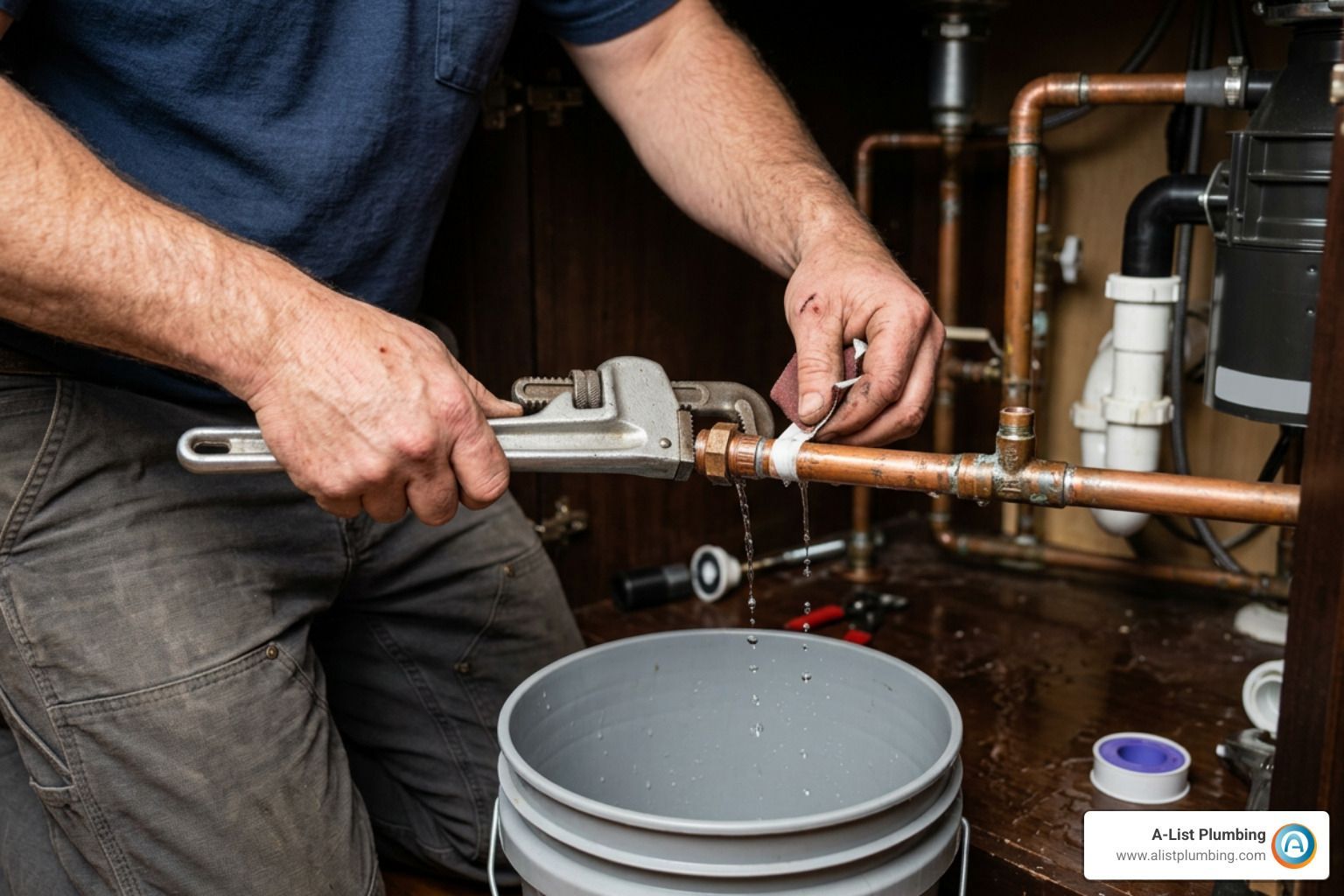
To handle this, you’ll need a power auger(often called a "rooter"). These can be rented, but be careful—they are heavy and can be dangerous if the cable snags. The auger is fed through the main clean-out (usually a Y-shaped fitting near your home's soil stack). The rotating blades at the end of the cable cut through the roots, allowing them to be flushed away. Because this often involves accessing the main line, many homeowners prefer De-Rooting Plumbing services to avoid damaging their pipes.
When to Call a Professional for Drain Repair
DIY is great for saving money, but some situations are "smart investments" rather than "admitting defeat." If you see sewage bubbling up or if water is pooling across your entire basement floor after a storm, it’s time to stop and call for help.
| Feature | DIY (Plunger/Snake) | Professional Hydro-Jetting |
|---|---|---|
| Effectiveness | Clears soft clogs | Scrubs pipes like new |
| Reach | Usually 25 feet max | Can reach 100+ feet |
| Root Removal | Temporary/Partial | Complete removal |
| Risk | Low to Moderate | Safe for most pipes |
| Cost | $10 - $60 | $200 - $500 (approx) |
If you are experiencing Clog Drain Repair in Edmonds, we can use fiber-optic cameras to see exactly what is happening underground. This prevents the "guesswork" and ensures the repair is permanent.
Preventive Maintenance for Long-Term Flow
The best way to unclog floor drain systems is to never let them clog in the first place. Here is our "A-List" checklist for a free-flowing home:
- Install Strainers: A simple mesh screen over the drain grate can catch 90% of the hair and lint that usually causes problems.
- Monthly Hot Water Flush: Once a month, pour a gallon of very hot water down your floor drains. This melts away soap scum before it solidifies.
- Maintain the Trap: If a drain isn't used often (like one in a guest basement), the water in the P-trap can evaporate. This leads to "sewer gas smells." Pour a few cups of water down the drain monthly.
- The Mineral Oil Trick: If you’re going away for a while, add a tablespoon of mineral oil to the drain water. It floats on top and slows down evaporation.
- Landscaping: Keep a 10-foot "no-tree zone" around your main sewer line to prevent root intrusion.
If you need help setting up a maintenance plan, our team for Clog Drain Repair in Bothell is always available to help.
Frequently Asked Questions about Floor Drains
Are chemical drain cleaners safe for floor drains?
Generally, no. Most professionals advise against them. Caustic cleaners like sulfuric acid can generate intense heat that softens PVC pipes or corrodes older cast iron. Furthermore, if the cleaner doesn't clear the clog, you are left with a basin full of toxic, "acidic" water that makes it dangerous for a plumber to work on later. We recommend enzyme-based cleaners which use live bacteria to eat away organic matter safely.
What should I do if my drain backs up during heavy rain?
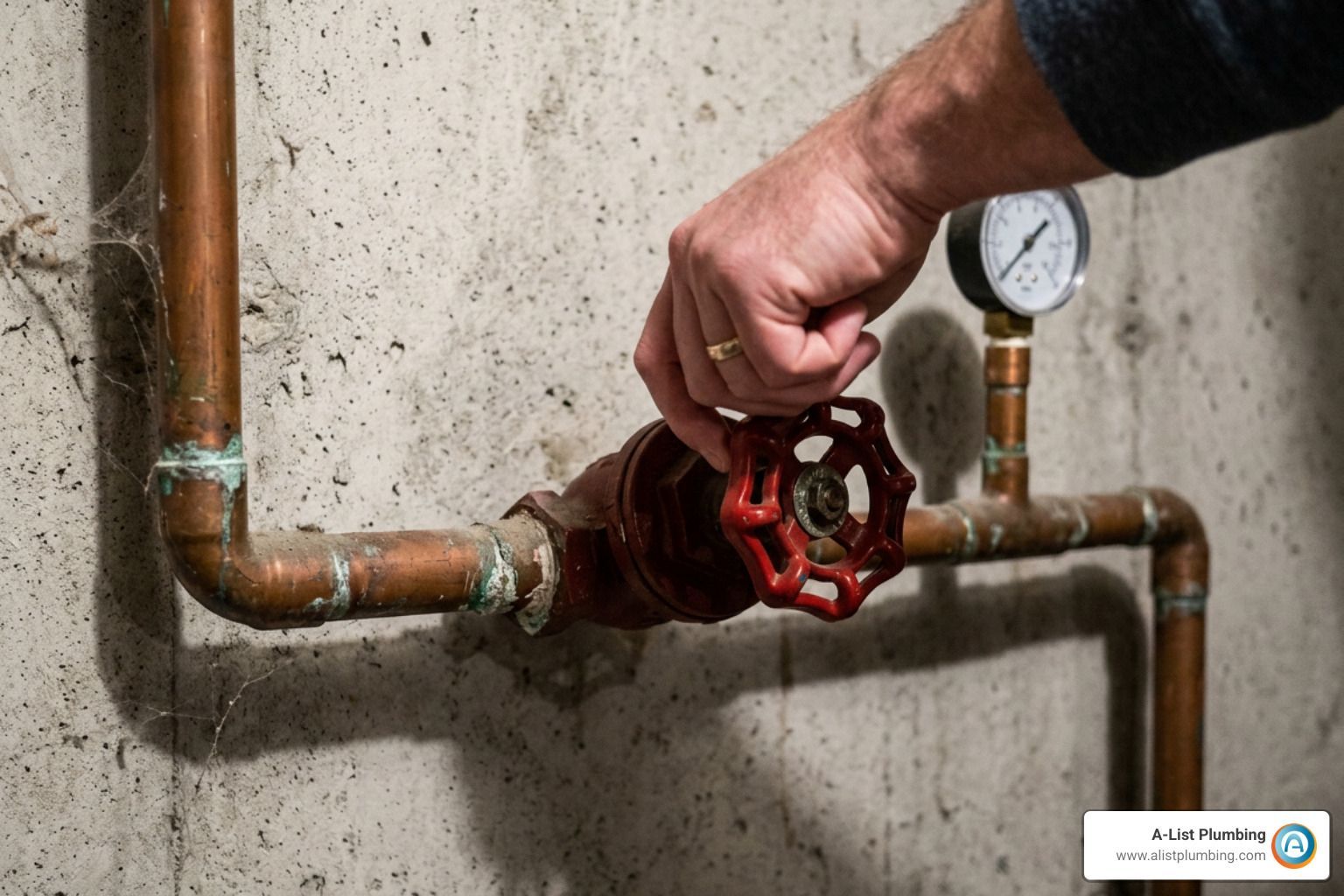
This often indicates a problem with the municipal sewer system being overwhelmed or a failure in your home's backwater valve. If the water is rising fast, shut off your main water valve to ensure no more water is added to the system. Check your sump pump to ensure it is running. If it isn't, you may need an emergency repair to prevent flooding.
How do I stop sewer smells coming from my floor drain?
The most common cause is a "dry trap." Simply pouring a gallon of water down the drain to refill the P-trap usually solves the problem instantly. If the smell persists, there may be a buildup of bacteria or "biofilm" on the pipe walls. A baking soda and vinegar flush, followed by a thorough scrubbing of the drain cover, should clear it up.
Conclusion
A clogged floor drain doesn't have to mean a ruined weekend or a dug-up yard. By starting with simple tools like the accordion plunger and moving up to mechanical augers, you can handle most household blockages yourself.
However, when the job gets too big—or when sewage starts making an appearance—you want a team you can trust. At A-List Plumbing, we bring 22 years of experience to every job in Lynnwood, Seattle, and the surrounding areas. We offer same-day availability and transparent pricing, so you never have to wonder what the final bill will look like.
Whether you need a quick camera inspection or a heavy-duty hydro-jetting session, we are here to help. More info about plumbing services is just a click away. Let's keep your home dry and your drains flowing!