

Water Damage Is More Expensive Than You Think — Here's the Fix
A smart leak detection system can be the difference between a quick fix and a $15,400 repair bill. Here's a fast look at your top options:
| System Type | Best For | Auto Shut-off | Price Range |
|---|---|---|---|
| Point-of-leak sensors | Under sinks, appliances | No | $15–$60 |
| Whole-home flow monitors | Full house coverage | Sometimes | $389–$999 |
| Auto shut-off systems | Maximum protection | Yes | $999+ |
| Hybrid systems (sensor + valve) | Balanced coverage | Yes | $129–$1,599 |
Water damage is the most common — and most costly — cause of property loss. The average repair runs around $15,400, and that's before you factor in mold, lost belongings, or insurance headaches.
The problem? Most leaks are invisible. A slow drip behind a wall or under a floor can waste over 10,800 liters of water a year before anyone notices. And in the Seattle suburbs, where freezing temps and aging pipes are a real concern, that risk goes up every winter.
Smart leak detectors give you eyes on your home's water system 24/7 — whether you're at work, on vacation, or asleep.
I'm Heath Shockman, owner of A-List Plumbing since 2011, and I've seen how a simple smart leak detection system can save Seattle-area homeowners from serious, costly damage. In this guide, I'll break down the best options on the market so you can find the right fit for your home.
How a Smart Leak Detection System Protects Your Home
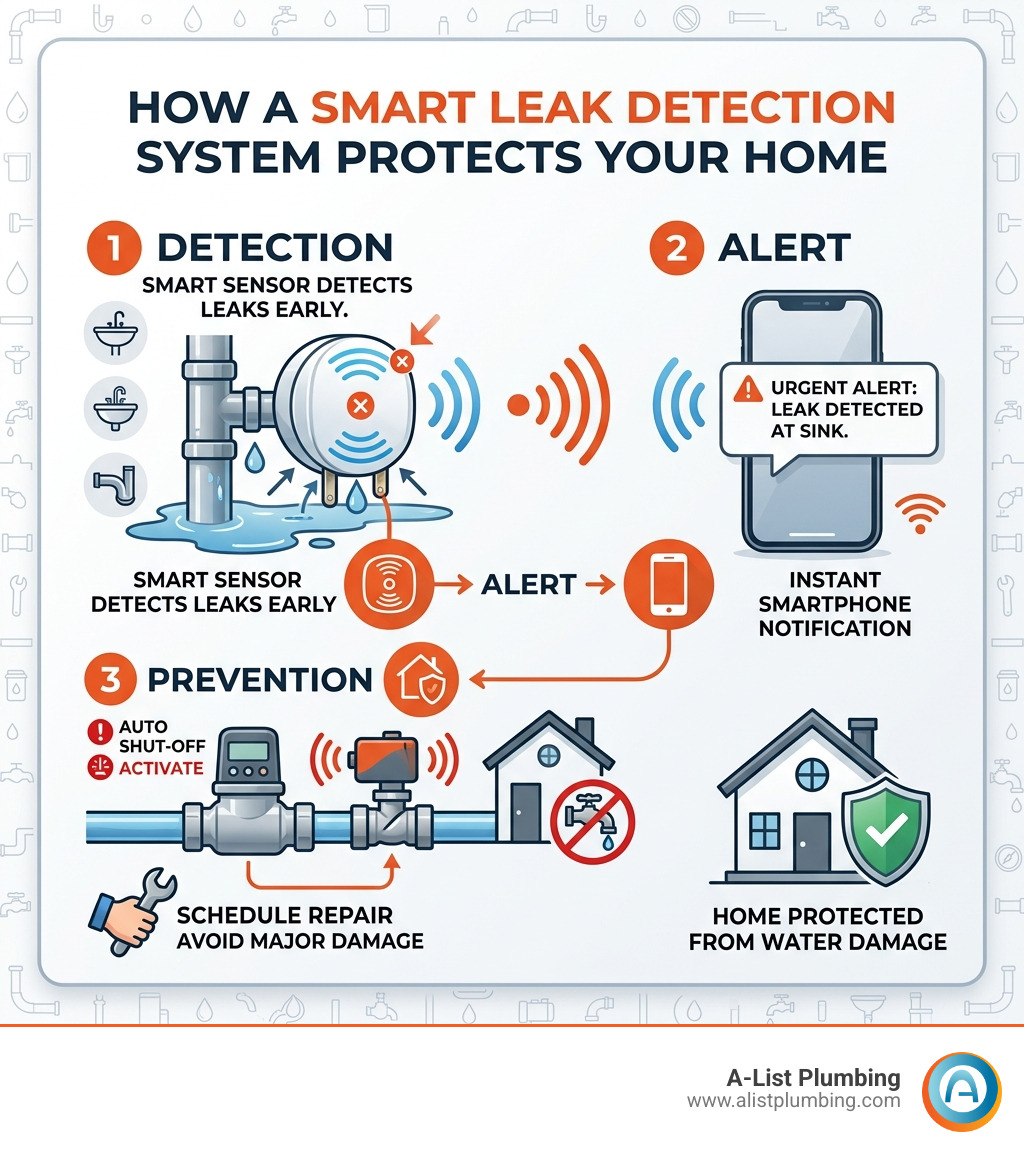
At its core, a smart leak detection system is a network of hardware designed to monitor your home's plumbing and alert you the second something goes wrong. Unlike traditional "dumb" alarms that just beep in an empty basement, these systems use your home’s Wi-Fi to send an emergency notification directly to your smartphone.
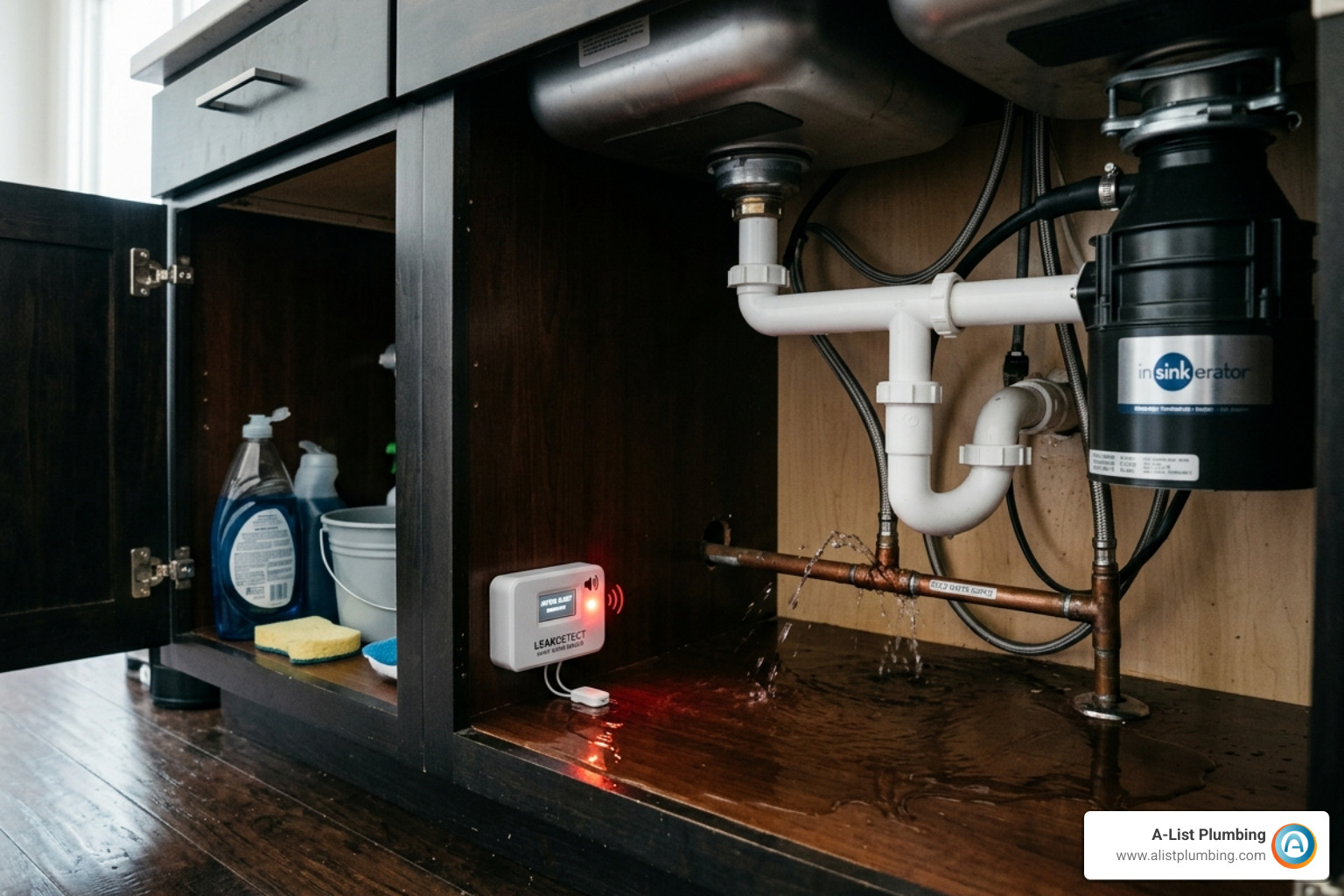
There are several ways these systems "see" water issues:
- Moisture Sensing: Small discs or probes sit on the floor. When water touches them, it completes an electrical circuit, triggering the alarm.
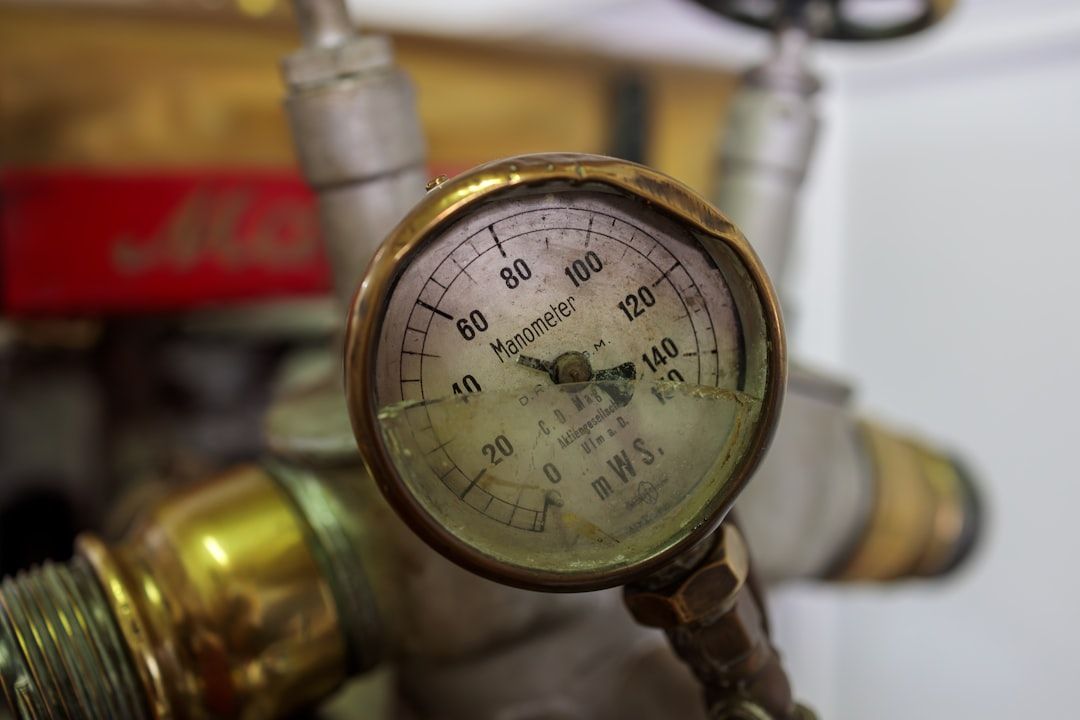
- Pressure Monitoring: These systems "feel" the pressure in your pipes. If the pressure drops suddenly or fluctuates strangely, it indicates a break or a leak.
- Ultrasonic Technology: High-end monitors use sound waves to measure water flow through the pipe without ever touching the water itself.
Research into digital systems for detecting and localizing leaks has shown that measuring real-time pressure changes is incredibly effective for finding trouble spots before they become disasters. This is vital for catching "hidden leaks"—those nasty drips inside walls or under floorboards that you can't see until the drywall starts to crumble. If you suspect a mystery drip, you can learn more about professional leak detection to see how we track them down.
Some advanced systems even use Thermi-Q technology. This tech monitors the difference between air and water temperatures. Because moving water changes the temperature of the pipe, the system can detect "micro-leaks" as small as 5ml per minute. That is roughly the size of a teaspoon! Catching a leak that small can save over 35,000,000 gallons of water yearly across a community and significantly reduce insurance claims. In fact, some studies show these systems can reduce water damage claims by up to 70%.
Benefits of a Smart Leak Detection System with Auto Shut-off
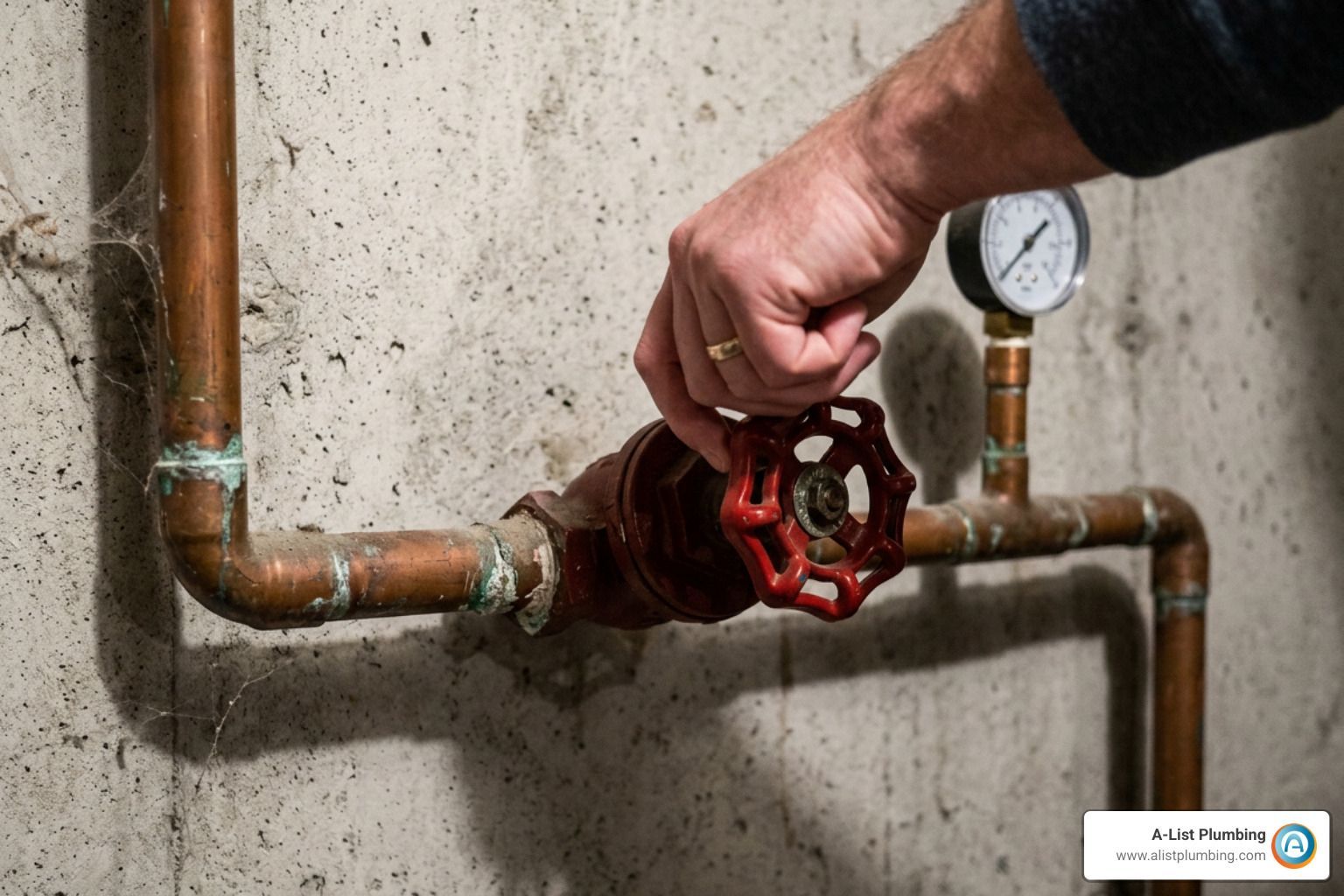
While a basic sensor tells you there’s a problem, a smart leak detection system with an automatic shut-off valve actually solves it. These systems include a motorized actuator installed on your main water line.
When a sensor under the dishwasher detects a flood, it talks to the main valve, which physically turns off the water to the entire house in seconds. These smart water leak detection & shut-off systems offer the ultimate peace of mind. If a pipe bursts while you are at a Seahawks game or hiking near Shoreline, the damage is limited to a few cups of water rather than a few thousand gallons.
The primary benefit is damage mitigation. By interrupting the flow immediately, you prevent the "soaking" effect that leads to structural rot and mold. Users with these systems often see 40% lower average claim costs because the "flood" never actually happened.
Real-time Alerts and Mobile Integration
In 2026, a leak detector is only as good as its app. Modern systems offer 24/7 monitoring with instant push alerts. If your toilet is "running" (which wastes about 6,000 gallons a month and costs roughly $79 per month per toilet), the app will tell you.
Reliability is key, which is why some premium systems now feature LTE backup. If your home Wi-Fi goes down or the power cuts out during a storm, the system uses a cellular signal to ensure you still get that notification. These apps also track usage trends, helping you see where you’re wasting water—considering 85% of buildings waste 35% of their water due to leaks, this data is a goldmine for your wallet.
Comparing the Best Smart Water Sensors and Monitors
When choosing a smart leak detection system, you need to decide if you want to monitor specific "hot spots" or the whole house.
| Feature | Point-of-Leak Sensors | Whole-Home Flow Monitors |
|---|---|---|
| Installation | DIY (Place on floor) | Professional (Main line) |
| Detection Method | Physical contact with water | Ultrasonic or Pressure flow |
| Best For | Under sinks, near water heaters | Hidden pipe leaks, slab leaks |
| Connectivity | Wi-Fi or Hub-based | Wi-Fi or LoRaWAN/LTE |
| Cost | Low ($) | Moderate to High ($$$) |
If you live in a high-risk area, getting leak detection services in Seattle WA is the best way to determine which type fits your plumbing's age and layout.
- Point-of-use sensors: These are small, battery-powered pucks. They are great for "known offenders" like old washing machines.
- Flow-based monitors: These "listen" to the water moving through your pipes. They use AI-driven analytics to learn your habits. If you usually shower for 10 minutes but the water has been running for two hours, the system knows something is wrong.
- Acoustic sensors: These attach to the outside of the pipe and listen for the specific sound frequency of a leak.
Choosing a Smart Leak Detection System for Multi-Property Management
For those managing condos in Edmonds or rental properties in Lynnwood, centralized dashboards are a game-changer. Smart water leak detection for commercial properties allows you to monitor an entire portfolio of buildings from one screen.
These systems use LoRaWAN connectivity, which has a much longer range than standard Wi-Fi (up to 5,000 square feet). This allows a property manager to see "Leak Probability Indexing" across dozens of units, identifying which toilets are leaking before the water bill arrives. With one in five toilets leaking at any given moment, the ROI for multi-unit residential buildings is often realized in just a few months.
Standalone Sensors vs. Hub-Based Ecosystems
Do you want a device that works right out of the box, or one that integrates with your existing security system?
- Standalone Wi-Fi: These connect directly to your router. They are easy to set up but can drain batteries faster.
- Hub-Based (Zigbee/Z-Wave): These require a "bridge" or hub. They use less power (batteries can last 5+ years) and create a "mesh network" where each sensor helps pass the signal along.
- Dual-Band Technology: Some systems use both radio frequency and power lines to ensure the signal gets through thick basement walls or across large properties without interference.
Key Features to Look for in 2026
As we move through 2026, the technology has become much more robust. You shouldn't settle for a device that just detects "wetness."
- Freeze Detection: This is a must-have for the Pacific Northwest. Sensors should alert you when temperatures drop below 45°F (7°C). This gives you time to drip your faucets or turn up the heat before a pipe bursts.
- Battery Life: Look for sensors with at least a 2-year lifespan; some modern lithium-powered units now last up to 7 years.
- Gold-Plated Probes: Cheap sensors can oxidize (rust) over time, making them fail when they actually get wet. Gold-plating prevents this oxidation, ensuring the sensor works 10 years from now.
- Sensitivity Levels: The best systems can detect as little as 5ml per minute. If you are looking for leak detection in Lynnwood WA, ask about systems that offer "Drip Detect" features for pinhole leaks.
- Self-Testing Valves: If you get an auto-shutoff system, ensure it performs a weekly "health check" where the valve turns slightly to prevent mineral buildup.
Integrating Your Smart Leak Detection System with Home Hubs
Your smart leak detection system should play nice with the rest of your home. Most top-rated 2026 models integrate with Amazon Alexa, Google Home, and Apple HomeKit.
This allows for helpful routines. For example, you can set a routine where if a leak is detected, your smart lights flash red and your smart speakers announce, "Water leak detected in the laundry room!" This "smart home synergy" ensures you don't miss a notification just because your phone is on 'Do Not Disturb.'
Strategic Placement and Installation Guide
Placement is just as important as the device itself. You want to place sensors where water is most likely to pool first.
High-Risk Installation Zones:
- Kitchen: Under the sink (near the garbage disposal) and behind the dishwasher.
- Bathroom: Behind the toilet (where the supply line connects) and under the vanity.
- Laundry Room: Behind the washing machine. These hoses are a leading cause of home floods.
- Basement/Crawlspace: Near the sump pump and the main water heater.
- Appliances: Under the refrigerator (especially if it has an ice maker) and near the AC condensate line.
Don't forget the sump pump. If your pump fails during a heavy Seattle downpour, a sensor placed just above the "normal" water line can give you a 20-minute head start to fix it before your basement becomes a swimming pool.
DIY vs. Professional Installation Requirements
Many point-of-leak sensors are "plug-and-play." You put the batteries in, connect them to the app, and set them on the floor. It’s a 5-minute job.
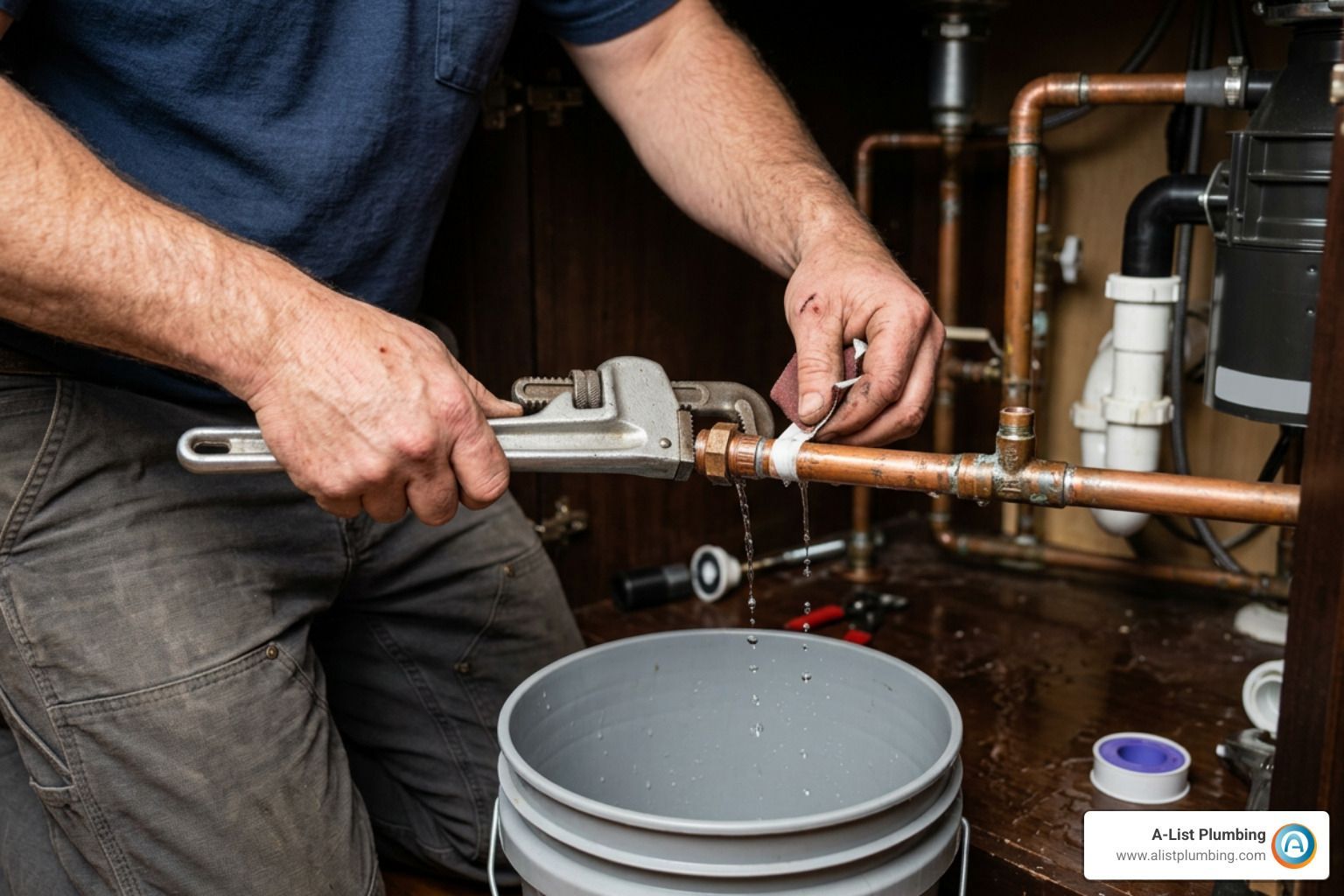
However, whole-home systems that require professional leak detection in Edmonds WA involve cutting into your main water line. This is not a DIY project. A professional plumber needs to:
- Access the main water line (often in a crawlspace or basement).
- Install the motorized valve actuator.
- Calibrate the flow sensors to your home's specific "normal" usage.
- Test the emergency shut-off to ensure it closes fully and quickly.
Frequently Asked Questions about Smart Leak Detection
How much do these systems cost?
Basic Wi-Fi sensors start around $15–$35 each. A whole-home monitor that clamps onto your pipe usually costs between $380 and $600. Comprehensive systems with professional-grade automatic shut-off valves can range from $999 to $1,600 depending on the size of your home and the number of sensors.
Do smart leak detectors work during a power outage?
It depends on the model. Many sensors are battery-powered and will continue to function locally. However, without power to your internet router, they cannot send a notification to your phone unless they have a cellular (LTE) backup. High-quality shut-off valves usually include a backup battery so they can still close the water line even if the power is out.
Can these sensors detect leaks behind walls?
Point-of-leak sensors cannot "see" through walls—they need to get wet to trigger. However, whole-home flow monitors can detect the effect of a leak behind a wall. By noticing that water is moving through the pipes when all faucets are off, they can alert you to a hidden "pinhole" leak that a floor sensor would never find.
Conclusion
Investing in a smart leak detection system is one of the smartest moves a homeowner in the Greater Seattle area can make. Whether it’s a simple $30 sensor or a full-home shut-off system, the protection it provides against the average $15,400 water damage claim is invaluable.
At A-List Plumbing, we bring 22 years of experience to every job. We know the specific challenges Seattle homes face, from frozen pipes in the winter to aging plumbing in our historic neighborhoods. We offer same-day availability and transparent pricing to help you get protected fast.
Don't wait for the drip to become a flood. If you're ready to secure your home, schedule a smart leak detection consultation with us today. We’ll help you choose the right tech and ensure it’s installed perfectly—we're here to keep your home dry and your mind at ease.