

What Does It Really Cost to Fix a Leaking Pipe?
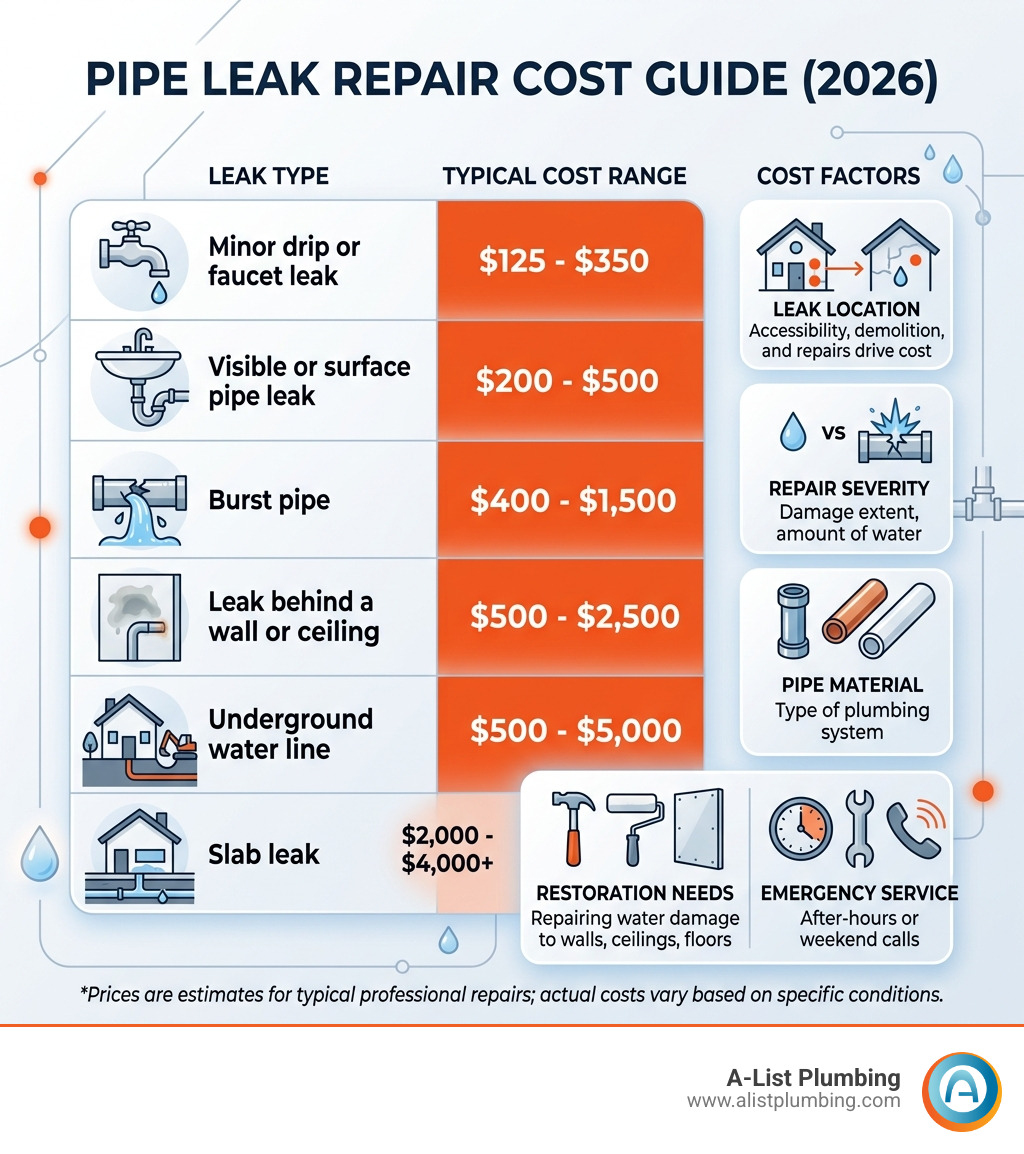
The cost to fix leaking pipe problems in your home typically falls in this range:
| Leak Type | Typical Cost Range |
|---|---|
| Minor drip or faucet leak | $125 - $350 |
| Visible or surface pipe leak | $200 - $500 |
| Leak behind a wall or ceiling | $500 - $2,500 |
| Burst pipe | $400 - $1,500 |
| Slab leak | $2,000 - $4,000+ |
| Underground water line | $500 - $5,000 |
Most homeowners pay around $500 for a standard pipe leak repair — but costs can climb fast if the leak is hidden, has caused water damage, or needs emergency service.
That dripping sound under your sink — or the water stain slowly spreading across your ceiling — might look like a small problem. But in plumbing, small problems have a way of becoming expensive ones very quickly.
A leak that costs $300 to fix today could mean $5,000 in water damage restoration if you wait. And if the pipe is hidden behind drywall, under your foundation, or deep underground, the costs multiply further — for labor, demolition, and cleanup.
In the Greater Seattle area, where older homes, tree roots, and freezing temperatures add extra stress to plumbing systems, leaks are especially common and can escalate faster than homeowners expect.
I'm Heath Shockman, owner of A-List Plumbing since 2011, and I've spent over a decade diagnosing and repairing leaking pipes across the Pacific Northwest — from simple under-sink fixes to complex slab leaks. I know how the cost to fix leaking pipe varies by location, pipe material, and how long the leak has gone undetected, and I'm here to break it all down clearly so you can budget with confidence.
Average Cost to Fix Leaking Pipe by Severity and Type
When we talk about the cost to fix leaking pipe issues in April 2026, it is important to understand that no two leaks are created equal. You might be dealing with a "polite" drip under the kitchen sink or a catastrophic burst in the middle of the night. On a national scale, the average cost for a professional repair sits right around $500, but the actual range spans from $150 for the simplest fixes to over $4,700 for complex waste line failures.
In our experience serving the Greater Seattle area, the complexity of the job is the primary driver of that final invoice. A visible pipe in a basement is a straightforward fix, while a broken pipe repair in Seattle involving high-rise access or historical home permits will naturally sit at the higher end of the spectrum.
Minor Drips and Surface Leaks
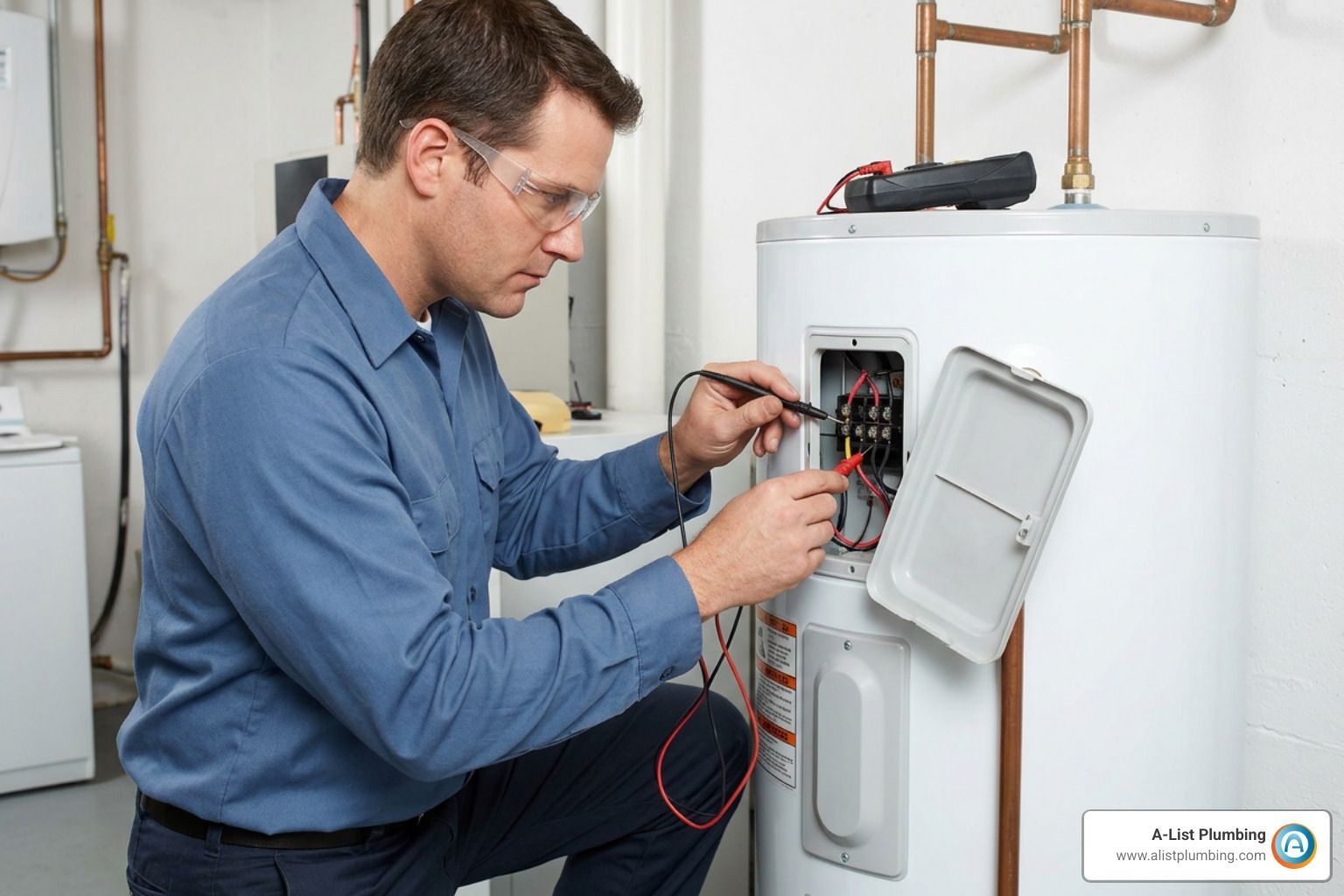
These are the most common calls we receive. If you have a faucet that won't stop crying or a visible joint under your bathroom vanity that is weeping, you’re looking at a relatively affordable fix. Typically, repairing a faucet or a minor surface leak costs between $125 and $350. This often involves replacing a worn-out washer, a cartridge, or a simple O-ring. While these seem small, a faucet dripping once per second wastes over 3,000 gallons of water annually—enough to fill a small pool! If you notice issues with your appliances, you can find more info about water heater leaks in Ballard to see how those specific fixtures impact your budget.
Burst Pipes and Major Water Line Failures
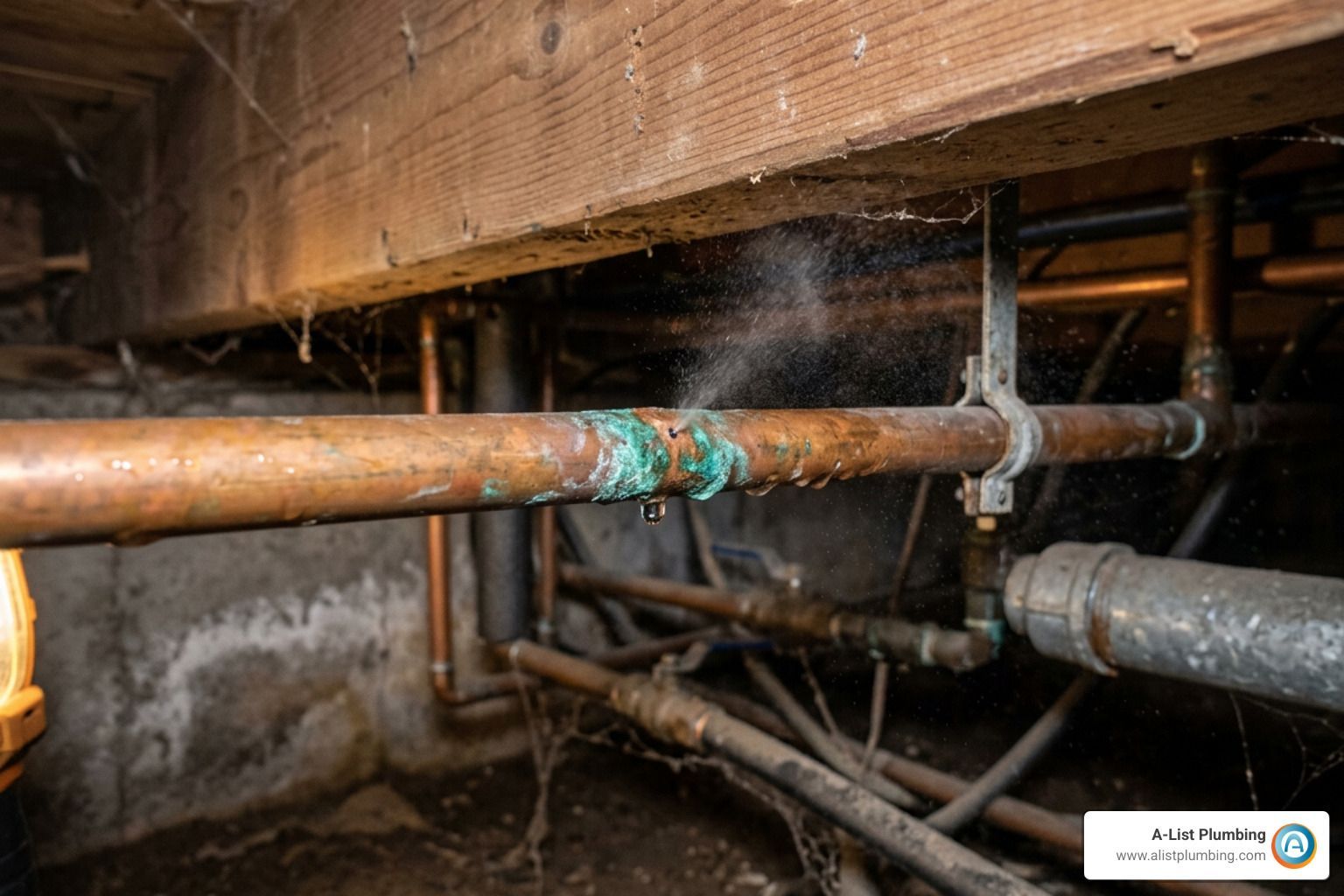
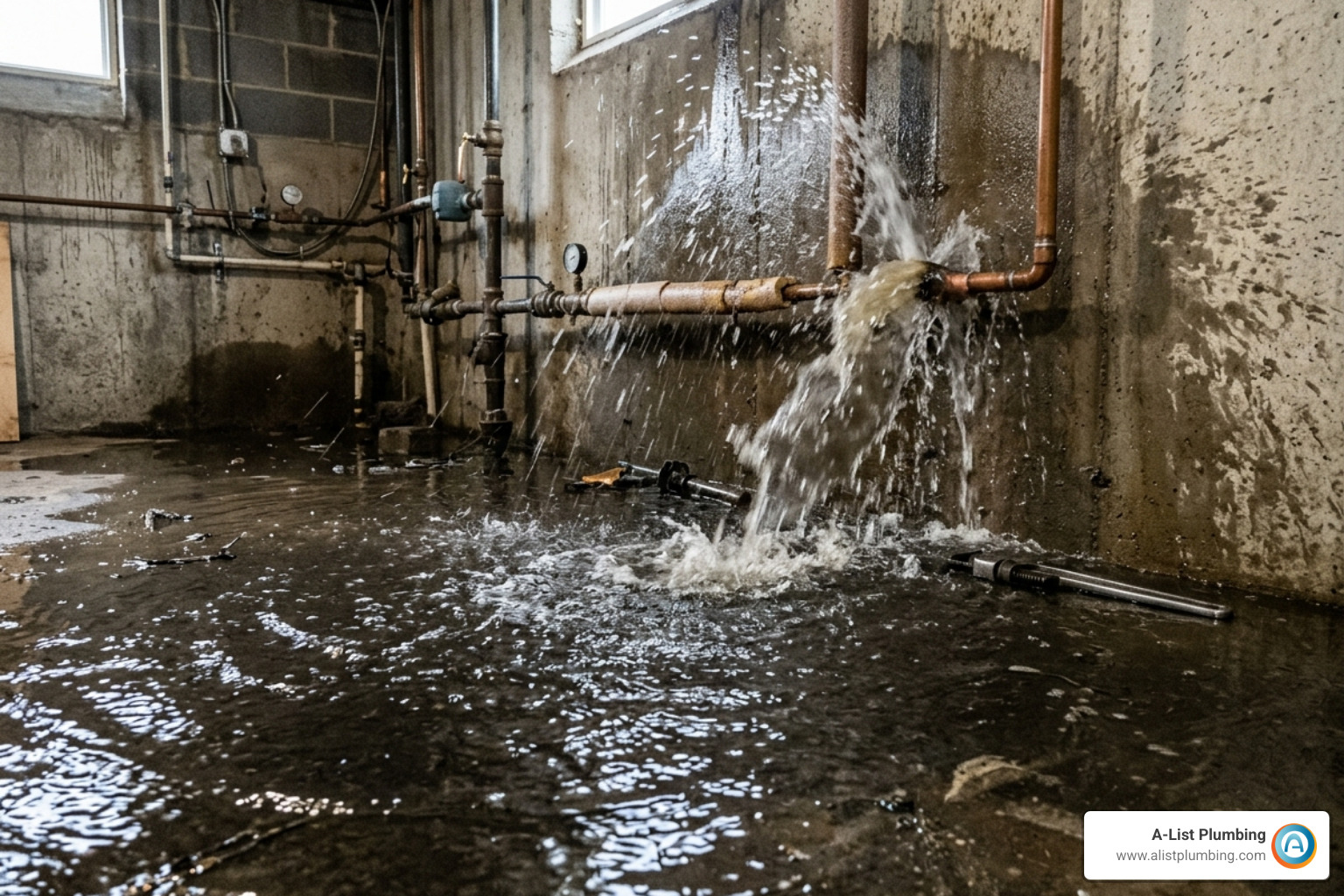
A burst pipe is a true plumbing emergency. Whether it’s caused by a sudden freeze or a high-pressure surge, these repairs typically cost between $400 and $1,500 for the plumbing work alone. Plumbers often use linear foot pricing for these jobs, ranging from $150 to $250 per foot. If the failure happens at the main line, the cost to repair a main water line can average around $1,025, with major breaks reaching up to $5,000 depending on how deep we have to dig.
Key Factors Influencing Your Repair Bill
Why does one leak cost $200 while another costs $2,000? It usually comes down to two things: what the pipe is made of and how hard it is for us to reach it. In the plumbing world, labor often accounts for up to 70% of the total bill. This is why professional diagnostic fees (usually $80 to $200) are standard; we have to use specialized tools to ensure we aren't just guessing where the water is coming from. For residents in the Magnolia area, you can learn more about leak detection in Magnolia to see how modern technology helps us pinpoint problems without tearing your whole house apart.
Pipe Material Impact on the Cost to Fix Leaking Pipe
The material of your plumbing system dictates the tools and time required for a fix:
- PVC and PEX: These modern materials are the most budget-friendly. A typical repair for PVC or PEX runs between $150 and $500. They are flexible, easy to cut, and don't require soldering.
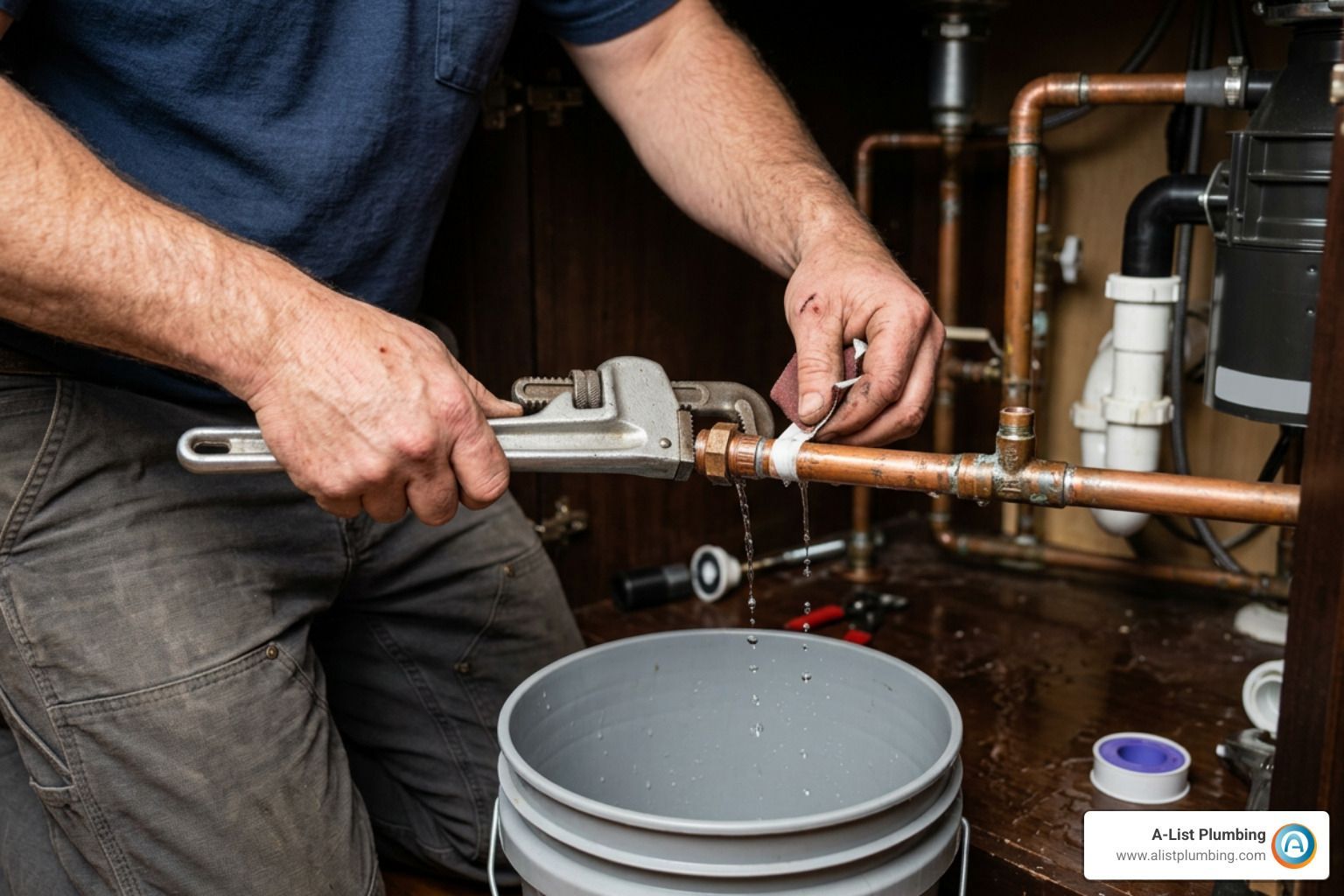
- Copper: This remains the gold standard for durability, but it is labor-intensive. Repairing copper pipes usually costs between $200 and $1,500 because it requires "sweating" or soldering joints, which takes time and precision.
- Galvanized Steel and Cast Iron: Found mostly in older Seattle-area homes, these materials are prone to internal corrosion. Repairs can range from $300 to $1,200+. Often, these pipes are so brittle that a "spot repair" isn't possible, and we may recommend replacing a larger section to prevent a second leak next week.
Location and Accessibility Challenges
"Location, location, location" applies to plumbing just as much as real estate.
- Under Sink: If we can see it and reach it standing up, it’s cheap.
- Behind Walls: If we have to cut through drywall, the cost starts at $1,000+.
- Ceilings: Repairing a pipe in a ceiling can cost $700 to $2,500 due to the added difficulty of working overhead and the high risk of water damage to the rooms below.
- Slab Leaks: These occur under your concrete foundation and average $2,200 to repair, though they can easily exceed $4,000 if excavation is required. For those in the North End, check out more info about broken pipe repairs in Edmonds to understand the local challenges with soil and foundation types.
Hidden Expenses: Beyond the Plumbing Repair
The invoice from your plumber is often just the first chapter of the story. When a pipe leaks, it rarely stays contained to the pipe itself. The "hidden" costs of a leak are what truly blow a homeowner's budget.
Diagnostic Fees and Emergency Premiums
Most professional plumbers charge a diagnostic fee of $80 to $100 just to show up and find the leak. If you discover a geyser in your basement at 2:00 AM on a Sunday, expect to pay an "emergency premium." These rates are typically 1.5 to 3 times higher than standard business hours. If you suspect a leak but can't see it, getting professional leak detection in Seattle early can save you from these middle-of-the-night surcharges.
Restoration and Mold Remediation Costs
This is where the numbers get scary.
- Drywall Repair: Once the pipe is fixed, you still have a hole in your wall. This can cost $50 to $75 per square foot to patch, texture, and paint.
- Flooring: If a leak gets under your floors, repairs average $200 to $580, but if the subfloor is rotted, you could be looking at $300 to $2,500.
- Mold Remediation: In the damp Pacific Northwest, mold can grow in as little as 24 to 48 hours. The average cost for professional mold cleanup is $2,300.
Regional Price Variations and Professional Hiring
Living in the Greater Seattle area means dealing with a higher cost of living, which reflects in service rates. While national averages are a good baseline, local labor rates in our region typically range from $45 to $200 per hour depending on the complexity of the job and the experience of the technician.
Local Labor Rates in the Greater Seattle Area
In cities like Lynnwood, Shoreline, and Bothell, you can expect to pay between $275 and $750 for a standard, non-emergency leak repair. This includes the plumber's time, basic materials, and the overhead required to maintain a licensed and insured business. For those in specific neighborhoods, you can find more info about broken pipe repairs in Queen Anne or Lynnwood to see how local geography impacts response times and costs.
When to DIY vs. Hiring a Professional
We get it—saving money is great. A DIY pipe repair kit from the hardware store costs only $10 to $50. If you have a visible, easy-to-reach PVC pipe under your sink and you're handy with a wrench, a DIY fix might work as a temporary solution.
However, for anything behind a wall, under a floor, or involving gas or main water lines, the risks of DIY far outweigh the savings. If a DIY repair fails while you’re at work, the resulting flood could cost you tens of thousands of dollars. Furthermore, many insurance companies will deny a water damage claim if they discover the work wasn't performed by a licensed professional. If you're in the Shoreline area, we recommend looking at more info about broken pipe repairs in Shoreline before picking up the blowtorch yourself.
Frequently Asked Questions about Pipe Repairs
Does homeowners insurance cover the cost to fix leaking pipe?
This is a tricky one. Generally, insurance covers "sudden and accidental" water damage—like a pipe that suddenly bursts and floods your kitchen. However, they almost never cover "gradual" damage caused by a leak that has been dripping for months due to lack of maintenance. They also rarely pay for the actual plumbing repair itself; they usually only cover the damage caused by the water. Always check your deductible before filing a claim, as a $500 repair might be cheaper out-of-pocket than the long-term premium increase from a claim.
How long does a typical pipe leak repair take?
- Exposed pipes: Usually about 1 hour.
- Hidden leaks (walls/ceilings): 2 to 6 hours, as we have to carefully remove and later replace access panels.
- Underground or Slab repairs: These can take multiple days, especially if excavation equipment is required.
What are the common signs of a hidden leaking pipe?
Keep an eye (and nose) out for:
- Water Stains: Yellow or brown "halos" on your ceiling or walls.
- Musty Odors: That "old basement" smell often means water is trapped behind a wall.
- Low Water Pressure: A sudden drop in pressure often means water is escaping before it reaches your faucet.
- Unexplained Bill Spikes: If your water habits haven't changed but your bill has doubled, you have a leak.
- Warm Spots: If your kitchen floor feels strangely warm in one spot, you might have a hot water line leaking under the slab.
Conclusion
The cost to fix leaking pipe issues doesn't have to be a mystery. By catching leaks early, choosing the right materials, and hiring local experts who understand the unique plumbing challenges of the Greater Seattle area, you can protect your home and your wallet.
At A-List Plumbing, we bring 22 years of experience to every job. Whether you are in Lynnwood, Edmonds, Shoreline, Bothell, or Seattle, we offer same-day availability and transparent pricing so you never have to guess what you're paying for. Don't let a small drip turn into a major disaster.
Schedule professional plumbing services today to get your pipes back in top shape.