

A Clogged Drain Doesn't Have to Ruin Your Day
The best way to unclog a drain depends on what's causing the blockage and where it is — but here's a quick answer to get you started fast:
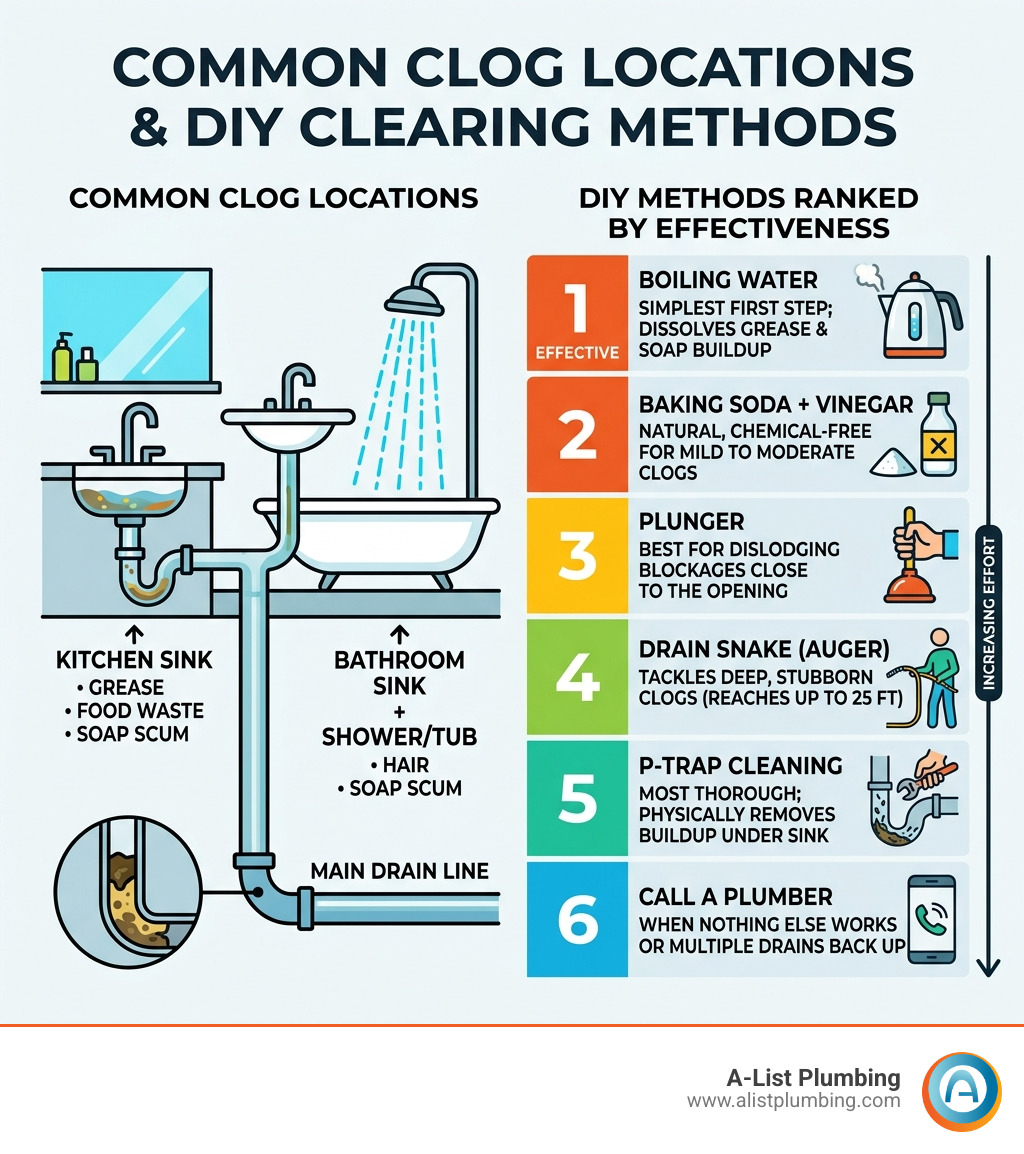
Quick methods ranked by effectiveness:
- Boiling water — Simplest first step; works on grease and soap buildup
- Baking soda + vinegar — Natural, chemical-free; great for mild to moderate clogs
- Plunger — Best for dislodging blockages close to the drain opening
- Drain snake (auger) — Reaches up to 25 feet; tackles deep, stubborn clogs
- P-trap cleaning — Most thorough; physically removes buildup under the sink
- Call a plumber — When nothing else works or multiple drains are backing up
A clogged drain is one of those household problems that sneaks up on you. One day the sink drains fine. The next, you're standing in an inch of water in the shower or watching the kitchen sink fill up instead of empty out.
Hair, grease, soap scum, and food waste are the usual suspects. And the fix is often simpler than you'd think — if you know where to start.
This guide walks you through every proven method, from quick natural remedies to mechanical tools, so you can stop the clog fast and get back to your day.
I'm Heath Shockman, owner of A-List Plumbing since 2011, with hands-on experience clearing every kind of drain clog you'll find in Seattle-area homes — from simple hair buildup to the toughest grease-packed kitchen lines. Finding the best way to unclog a drain is something I've helped hundreds of homeowners with, and I'll share exactly what works in the sections ahead.
Understanding Common Causes and Safety Precautions
Before we grab the plunger, we need to know what we’re up against. In our years of providing Clogged Drains services across Lynnwood and Seattle, we've found that most clogs fall into a few predictable categories.
The Usual Suspects
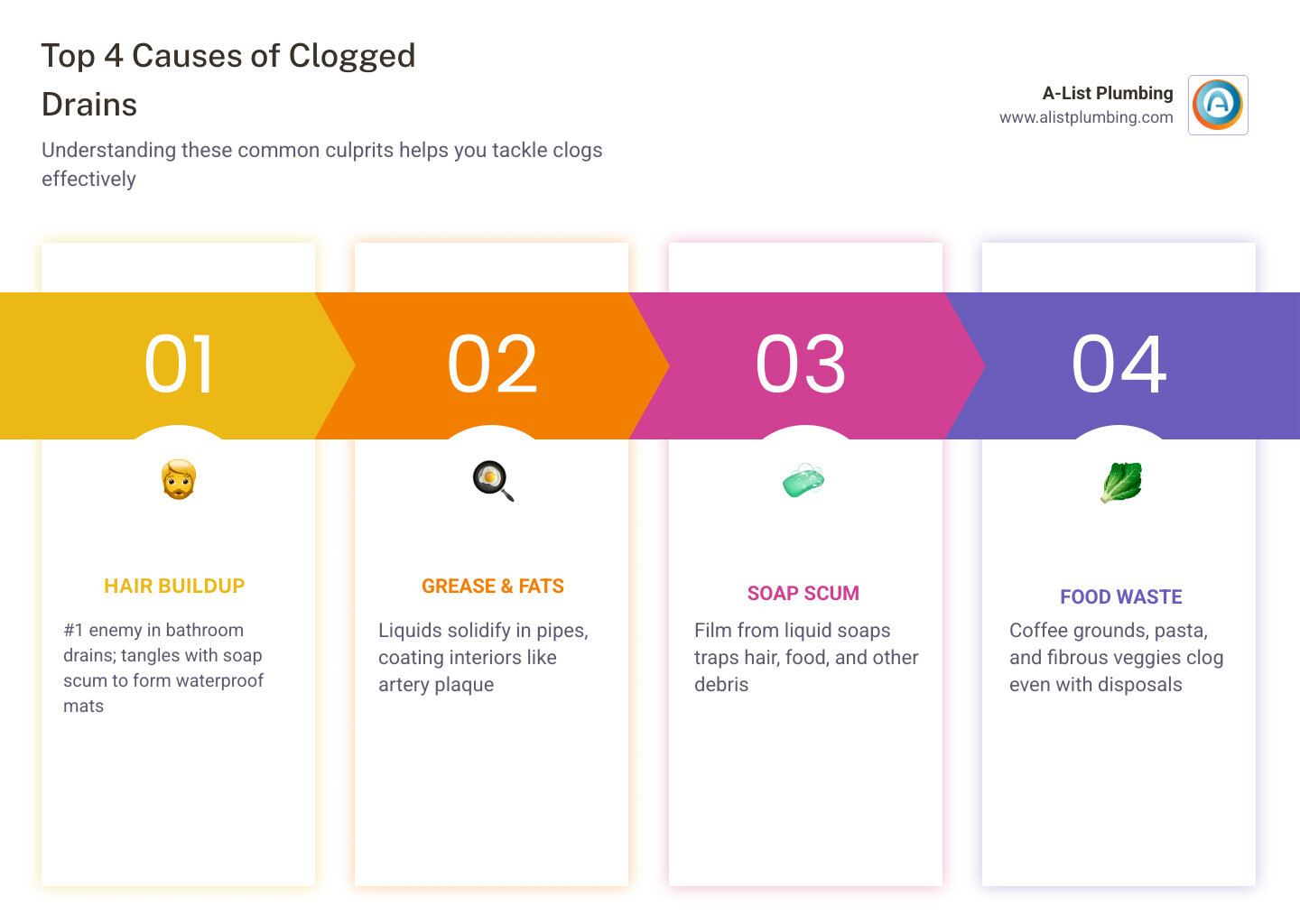
- Hair: The number one enemy of bathroom drains. It tangles around the stopper and binds with soap scum to create a waterproof mat.
- Grease and Fats: These go down the kitchen sink as liquids but solidify as they cool, coating the inside of your pipes like plaque in an artery.
- Soap Scum: Modern liquid soaps and body washes can leave a film that traps other debris.
- Food Waste: Even with a disposal, items like coffee grounds, pasta, and fibrous veggies (like celery) are notorious for causing backups.
- Foreign Objects: From kid's toys to wedding rings, sometimes things just fall in.
Safety First
As we head into April 2026, home safety is more important than ever. According to How to Unclog a Drain | Clogged Drain Pipe, you should always take these precautions:
- Protect Yourself: Wear rubber gloves and safety goggles. You don't want drain gunk or splash-back in your eyes.
- Know Your Pipes: If you have PVC (plastic) pipes, be careful with boiling water. Water hotter than 140°F can soften or warp PVC joints.
- Chemical Warning: Never use a plunger or a snake if you’ve already poured a chemical drain cleaner down the sink. If it splashes on your skin, it can cause severe chemical burns.
- Ventilation: If you are using any cleaning agents, ensure the room is well-ventilated to avoid inhaling fumes.
The Best Way to Unclog a Drain Naturally
Many homeowners prefer to avoid harsh chemicals, and for good reason. Chemical cleaners often contain sodium hydroxide or sulfuric acid, which release intense heat. While this dissolves clogs, it can also damage older pipes and is tough on the environment.
The best way to unclog a drain without chemicals involves items you likely already have in your pantry. According to How to Unclog a Sink Drain—8 Different Ways, natural methods are excellent for maintenance and minor organic clogs.
| Method | Best For | Pros | Cons |
|---|---|---|---|
| Baking Soda & Vinegar | Mild clogs, odors | Safe, cheap, eco-friendly | Won't move heavy grease or hair |
| Boiling Water | Soap scum, fresh grease | Instant, free | Can't use on PVC or porcelain |
| Enzymatic Cleaners | Slow drains, hair | Pipe-safe, prevents clogs | Takes hours/overnight to work |
| Chemical Cleaners | Tough hair clogs | Fast-acting | Toxic, can damage pipes |
If you're dealing with a slow drain in a bathroom, you might find that Clog Drain Repair in Seattle WA is just a few pantry staples away.
Step-by-Step: The Best Way to Unclog a Drain with Baking Soda and Vinegar
This is the "science fair volcano" method, and it’s surprisingly effective for loosening gunk. The chemical reaction between the base (baking soda) and the acid (vinegar) creates carbon dioxide bubbles that physically agitate the clog.
- Prep the Drain: Remove any standing water and take out the drain stopper if possible.
- The Base: Pour 1/2 cup of baking soda down the drain. Some folks also add 1/2 cup of coarse salt to help "scour" the pipe walls.
- The Acid: Pour 1 cup of white vinegar down. It will start fizzing immediately.
- Seal it Up: Cover the drain with a plug or a wet cloth to keep the reaction forced downward toward the clog.
- Wait: Let it sit for at least 15 to 30 minutes. For stubborn clogs, you can leave it for an hour.
- The Flush: Boil a kettle of water (remember the PVC rule!) and pour it steadily down the drain to flush away the loosened debris.
For residents needing Rooter Drainage Service in Lynnwood WA, this simple monthly routine can prevent major backups.
Mechanical Tools for Stubborn Blockages
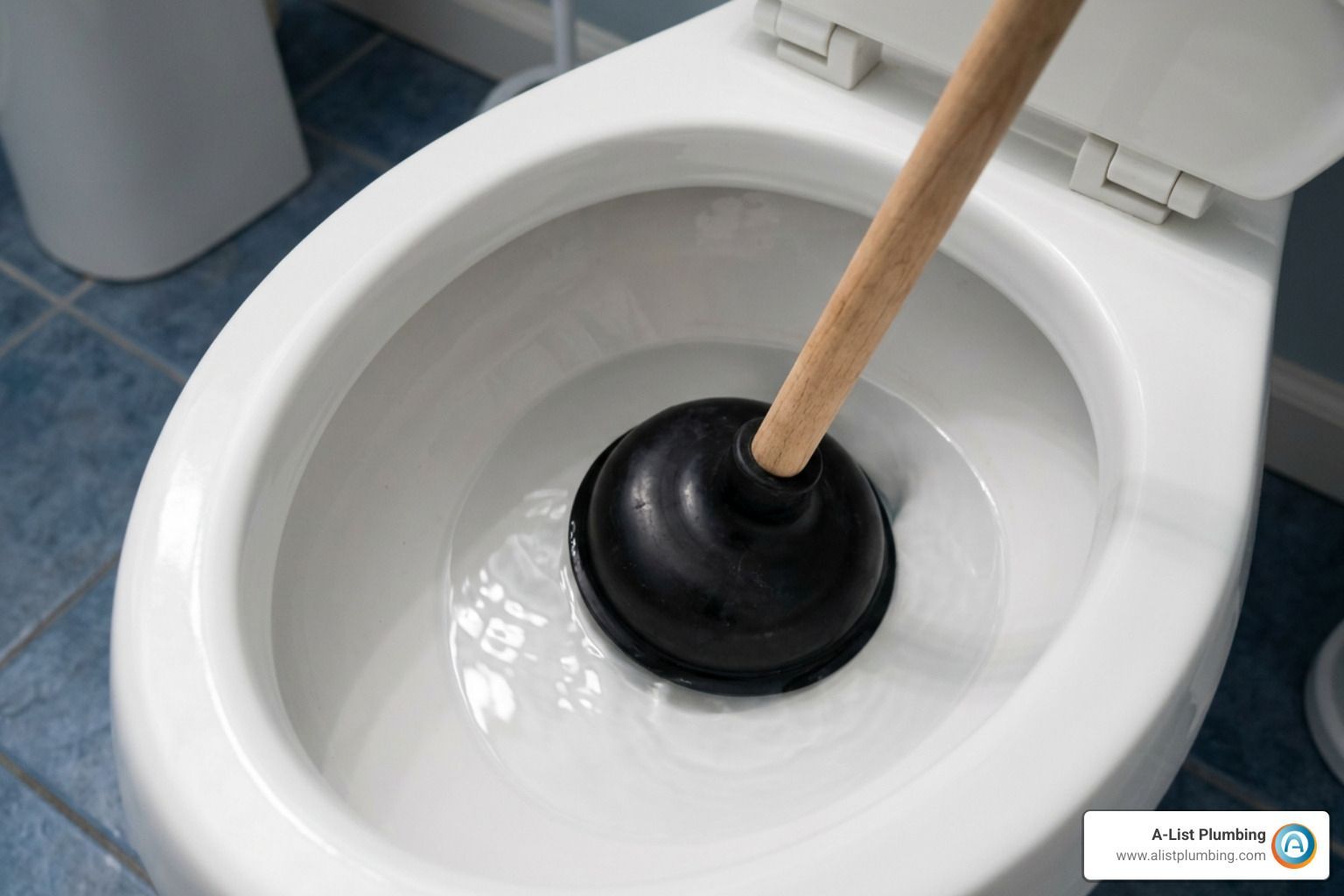
When the "volcano" doesn't erupt the clog out of the way, it’s time to get mechanical. A plunger is often cited as the best way to unclog a drain quickly, but only if you use the right one and the right technique.
The Art of the Plunge
There are two main types of plungers:
- Cup Plunger: The standard flat-bottomed plunger. This is meant for flat surfaces like sinks and bathtubs.
- Flange Plunger: This has an extra rubber flap (the flange) that folds out to fit snugly into a toilet bowl.
To use a plunger effectively on a sink, as suggested by How to Unclog Any Drain, follow these steps:
- Seal the Overflow: This is the secret step most people miss. Cover the overflow hole (that little hole near the top of the sink) with a wet rag or duct tape. If you don't, the air pressure you create will just escape out the hole instead of hitting the clog.
- Create a Seal: Apply a little petroleum jelly to the rim of the plunger for a tighter seal.
- Add Water: Ensure there is enough water in the sink to cover the bell of the plunger.
- The Motion: Start with a gentle push to get the air out, then plunge vigorously up and down for 20 seconds. The suction (the pull-up) is often more important than the push for breaking up hair clogs.
If you’re in Edmonds and struggling with a bathroom backup, Clog Drain Repair in Edmonds WA often starts with this basic mechanical pressure.
Using a Drain Snake: The Best Way to Unclog a Drain Deep in the Pipes
If the plunger fails, the clog is likely further down the line. A consumer-grade drain snake (or hand auger) typically reaches up to 25 feet. This is the best way to unclog a drain when the blockage is deep in the "trap arm" or the vertical stack.
- Insert the Cable: Feed the snake into the drain or, better yet, through the pipe after removing the P-trap (more on that below).
- Navigate Curves: When you hit resistance, it’s either a curve in the pipe or the clog. Rotate the handle while pushing forward.
- Hook the Clog: Once you feel the snake "bite" into something solid, keep cranking to break it up or hook it.
- Retract and Clean: Pull the cable back slowly. Have a bucket and rags ready—what comes out will be messy.
For deeper issues in Shoreline, we often recommend a Rooter Drainage Service in Shoreline WA to ensure the entire length of the pipe is cleared.
Tailoring Your Approach by Drain Type
Different drains have different "personalities." A kitchen sink clog is usually a different beast than a shower clog.
Kitchen Sinks and Disposals
Kitchen clogs are often grease-based. If you have a garbage disposal, check it first. Sometimes the flywheel gets jammed. Most disposals come with an Allen wrench that fits into the bottom of the unit to manually turn and free the jam. Always unplug the disposal before sticking your hands or tools inside!
Bathroom Sinks and Tubs
Hair is the culprit here. Often, you don't even need a snake. A simple, spiked plastic zip tool (available for a few dollars) can be inserted into the drain to "fish" out hair clogs that are caught right under the stopper. For bathtubs, you may need to remove the overflow plate to reach the actual drain line with a snake.
The P-Trap Cleaning
The P-trap is the U-shaped pipe under your sink. Its job is to hold water to block sewer gases from entering your home, but it also acts as a "catch-all" for heavy debris.
How to clean it:
- Place a bucket under the trap.
- Unscrew the slip nuts by hand or with pliers.
- Remove the trap and dump the contents into the bucket.
- Clean the inside of the pipe with an old toothbrush.
- Reassemble and check for leaks.
This physical removal is arguably the most effective Sewer Drain Clog Repairs for Seattle method for localized sink clogs.
Frequently Asked Questions about Drain Maintenance
When should I avoid using boiling water?
As mentioned, PVC pipes are the main concern. PVC can begin to lose its structural integrity around 140°F. Since water boils at 212°F, you risk melting joints or causing leaks. Additionally, 5 Ways to Clear a Clogged Drain, According to Experts notes that pouring boiling water into a cold porcelain sink can cause the porcelain to crack due to thermal shock.
How can I prevent future clogs?
The best way to unclog a drain is to never have a clog in the first place!
- Mesh Screens: Use hair catchers in every shower.
- No FOG: Never pour Fats, Oils, or Grease down the sink. Collect them in a jar instead.
- Monthly Flushes: Once a month, pour a half-cup of baking soda and a kettle of hot water down each drain to keep them clear.
- Professional Maintenance: For older homes in Bothell, a De-Rooting Plumbing Repair in Bothell WA can prevent tree roots from invading your main sewer line, which often presents as recurring clogs.
When is it time to call a professional?
DIY is great for saving money—the average American family can save hundreds a year by handling minor home repairs themselves. However, you should call A-List Plumbing if:
- Multiple Drains are Clogged: This usually indicates a main sewer line blockage.
- Water Backs Up Elsewhere: If you flush the toilet and water comes up in the shower, that’s a serious issue.
- Standing Sewage: If you see or smell raw sewage, it's a health hazard.
- Recurring Clogs: If you have to snake the same drain every two weeks, there is a deeper structural problem.
If you're in the Ballard area and facing these "red flag" symptoms, it's time for a professional Clog Drain Repair in Ballard WA.
Conclusion
Dealing with a backup is never fun, but in most cases, the best way to unclog a drain is a simple combination of patience, the right tools, and a little bit of elbow grease. Whether you're using a baking soda mix for a slow bathroom sink or a hand auger for a stubborn kitchen blockage, most home clogs can be handled without a major service call.
However, some blockages are simply too deep or too tough for consumer-grade tools. That’s where we come in. At A-List Plumbing, we bring 22 years of experience to every job across Lynnwood, Edmonds, Shoreline, Bothell, and the Greater Seattle area. We offer same-day availability and transparent pricing, ensuring your home’s plumbing is back in top shape without the stress.
If your DIY efforts haven't cleared the way, don't let the problem get worse. Contact us today for professional Plumbing Services and let us handle the dirty work for you.