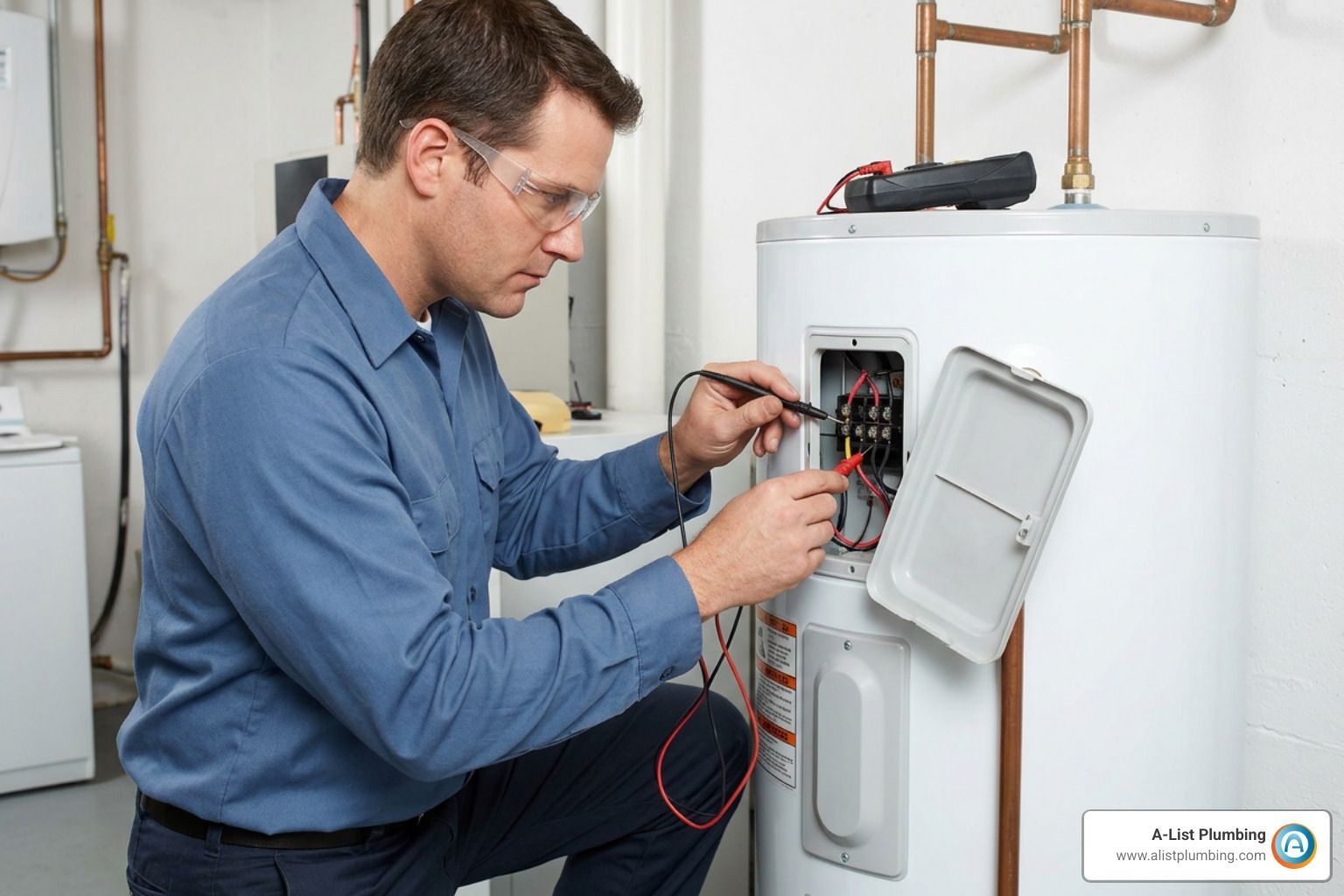


Your Water Heater Needs Regular Flushing — Here's What to Know
A water heater flush service is one of the most important — and most overlooked — maintenance tasks in your home. Most homeowners don't think about their water heater until something goes wrong. But by then, sediment buildup may have already shortened its lifespan and quietly inflated your energy bills.
Here's what you need to know at a glance:
| Question | Quick Answer |
|---|---|
| What is a water heater flush? | Draining and clearing sediment from your tank to restore efficiency |
| How often should you flush? | Once a year for most homes; every 6 months in hard water areas |
| How long does it take? | About 20–60 minutes depending on sediment level |
| Can you DIY it? | Yes, with the right tools — but a pro is safer and more thorough |
| What does it cost professionally? | Typically starts around $49–$99 |
Over time, minerals like calcium and magnesium naturally settle at the bottom of your tank. This layer of sediment acts like insulation between the burner and the water — forcing your heater to work harder, use more energy, and wear out faster. Left unchecked, it can cause rumbling noises, inconsistent hot water, and even premature tank failure.
The good news? A simple annual flush can prevent most of these problems.
I'm Heath Shockman, owner of A-List Plumbing since 2011, and I've performed water heater flush services on hundreds of residential and commercial systems across the Greater Seattle area. In this guide, I'll walk you through everything you need to know to keep your water heater running efficiently for years to come.
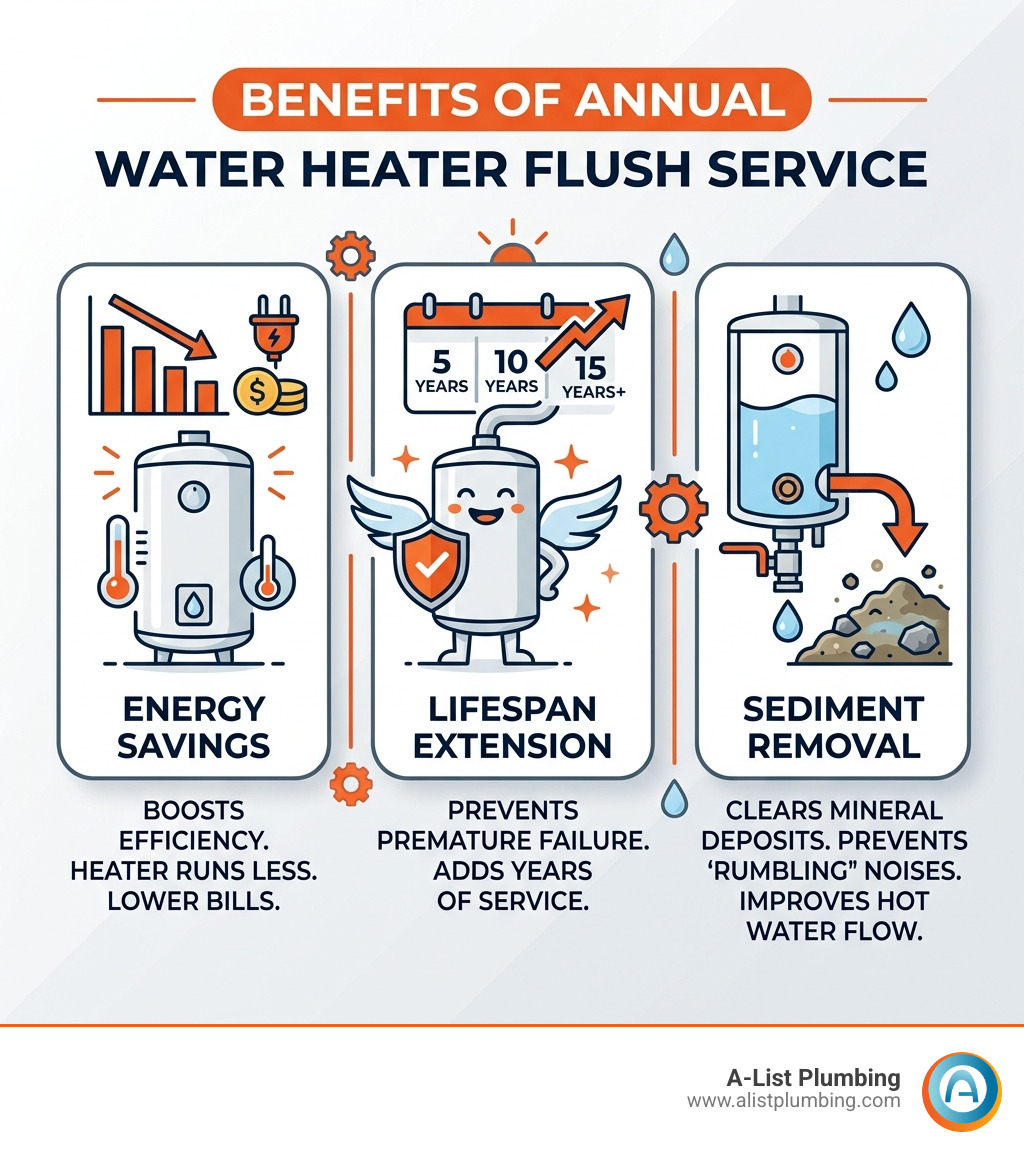
Why Your Home Needs a Professional Water Heater Flush Service
Think of your water heater like a tea kettle. Over time, as water is heated and evaporated or moved through the system, it leaves behind tiny mineral deposits. In the plumbing world, we call this "sediment." While these minerals are naturally occurring in the water supply across Lynnwood and Seattle, they are the number one enemy of your water heater's longevity. According to the U.S. Department of Energy, sediment buildup can significantly reduce the efficiency of your unit.
When you schedule a water heater flush service, the primary goal is sediment removal. Without it, these minerals settle at the bottom of the tank, creating a thick, crusty layer. This layer acts as a thermal barrier. If you have a gas heater, the burner has to heat that rock-like layer before it can even reach the water. If you have an electric heater, the bottom element can become buried in "mud," causing it to burn out prematurely.
This buildup leads to several major issues:
- Reduced Thermal Efficiency: Your unit stays on longer to reach the desired temperature, spiking your utility bills.
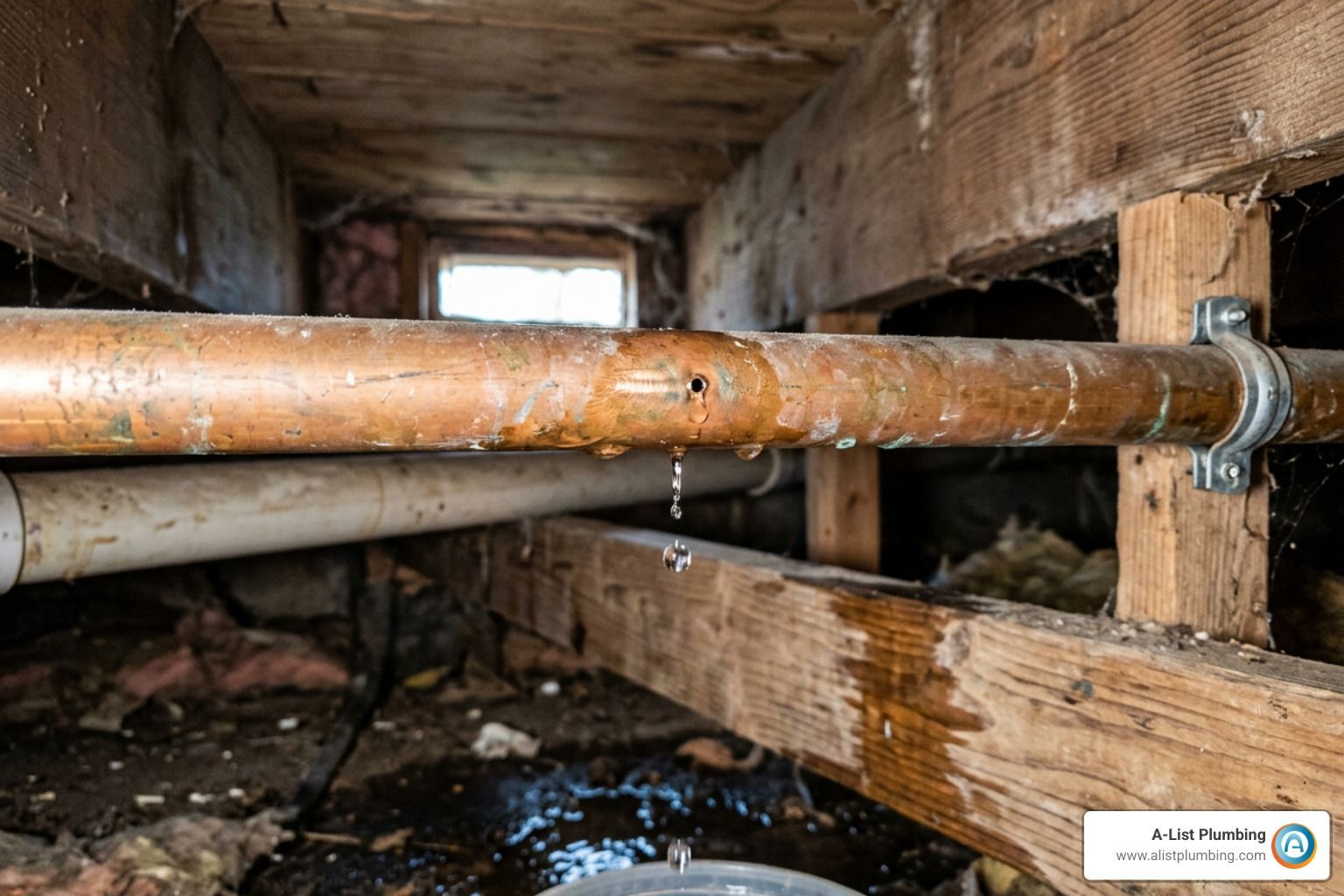
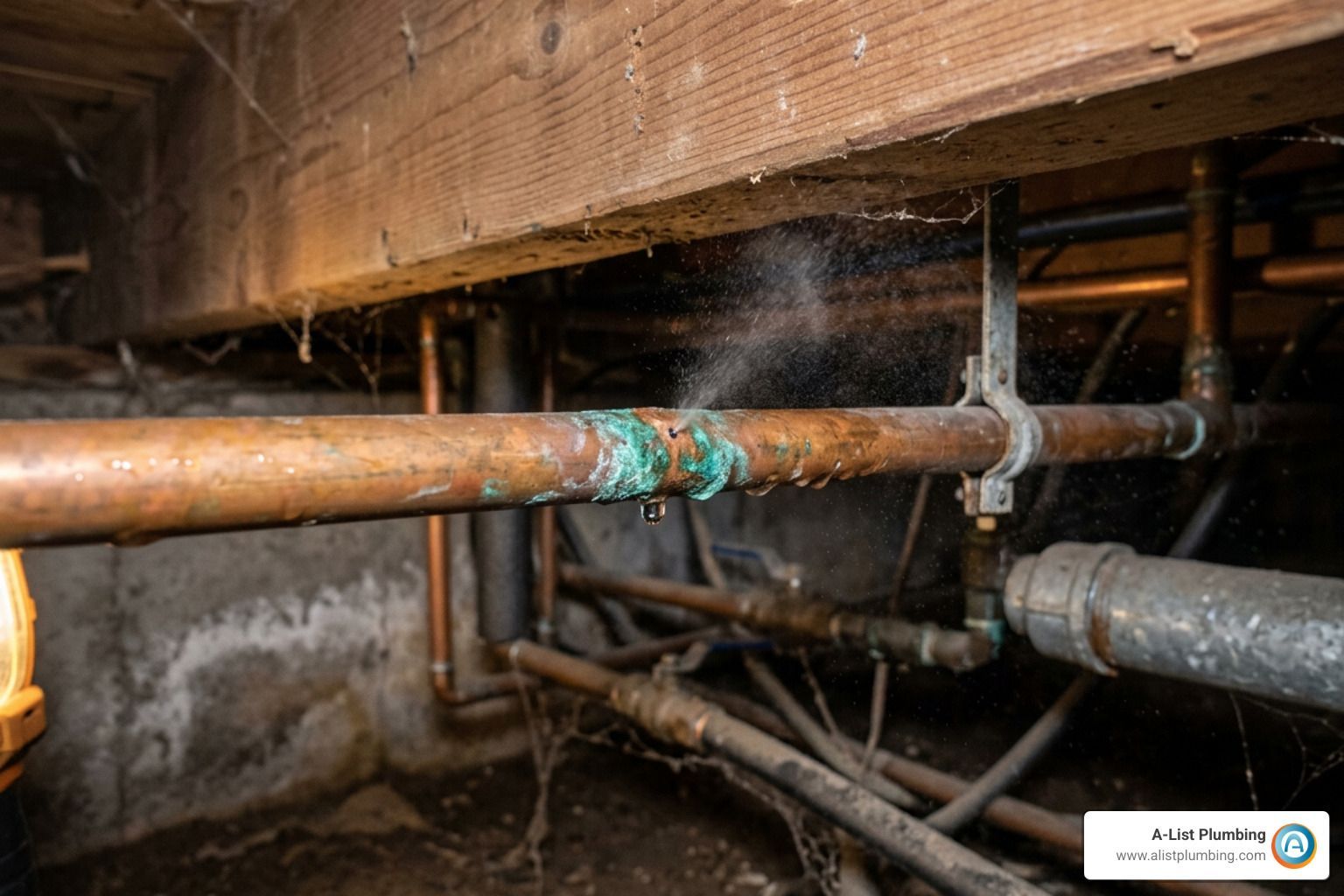
- Tank Corrosion: Sediment can trap moisture against the steel tank, leading to rust. This often results in Water Heater Leaks that can flood your basement or utility closet.
- Overheating: The bottom of the tank can get much hotter than intended because the heat isn't transferring to the water correctly, which weakens the steel over time.
Common Types of Sediment Found in Local Tanks:
- Calcium Carbonate: The most common "scale" found in hard water areas.
- Magnesium: Another mineral that contributes to hardness and buildup.
- Iron/Rust: If your pipes are older, rust flakes can travel into the tank and settle.
- Sand and Grit: Small particles from the municipal water main that settle over years of use.
Recognizing the Signs of Sediment Buildup
How do you know if your tank is crying out for a bath? Your water heater is actually pretty vocal when it’s struggling. If you live in Shoreline or Edmonds and notice any of the following, it’s time to look into a water heater flush service.
The most common sign is noise. Have you ever heard popping, banging, or rumbling sounds coming from your utility room? That’s not a ghost; it’s steam bubbles struggling to escape from beneath a layer of sediment. As the water trapped under the sediment boils, it "pops" through the crust, creating that distinct kettling sound.
Other signs include:
- Inconsistent Temperatures: You start your shower with hot water, but it turns lukewarm halfway through.
- Slow Recovery: It takes hours for the tank to provide hot water again after one person takes a bath.
- Cloudy or Rusty Water: If the water coming out of your hot taps looks "milky" or has a yellow tint, you're likely seeing stirred-up sediment.
- High Utility Bills: If your energy costs are creeping up but your usage hasn't changed, an inefficient heater is a likely culprit.
For those with a Lander Water Heater or similar high-quality models, regular maintenance is even more vital to protect your investment.
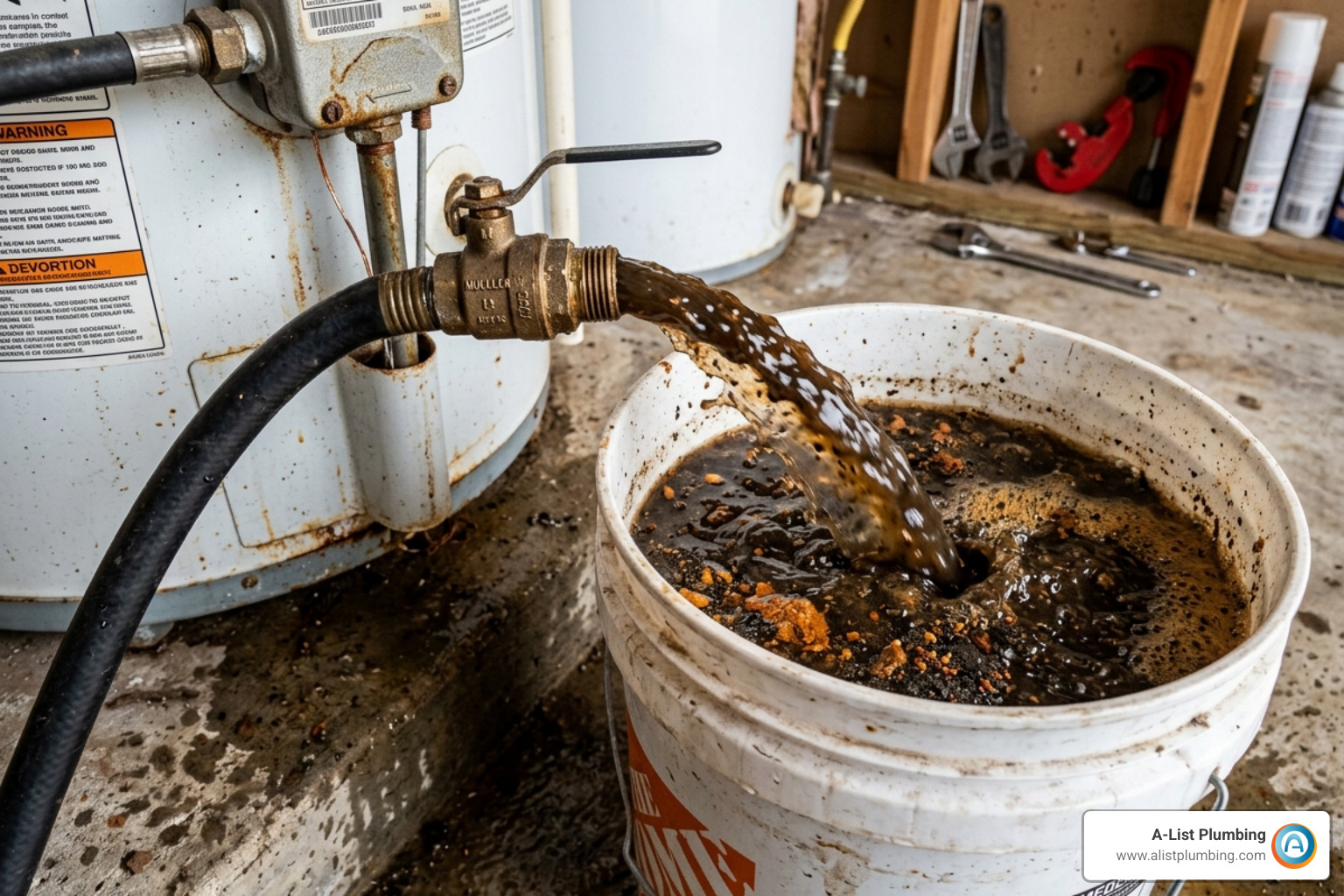
Performance Comparison: Healthy vs. Sediment-Heavy
| Feature | Healthy Tank | Sediment-Heavy Tank |
|---|---|---|
| Heating Speed | Fast and consistent | Slow and sluggish |
| Noise Level | Silent operation | Popping, rumbling, banging |
| Energy Use | Standard/Efficient | 10–25% Higher |
| Water Clarity | Crystal clear | Potentially cloudy or tinted |
| Lifespan | 10–15 years | 6–8 years |
Step-by-Step Guide to a Tank Water Heater Flush Service
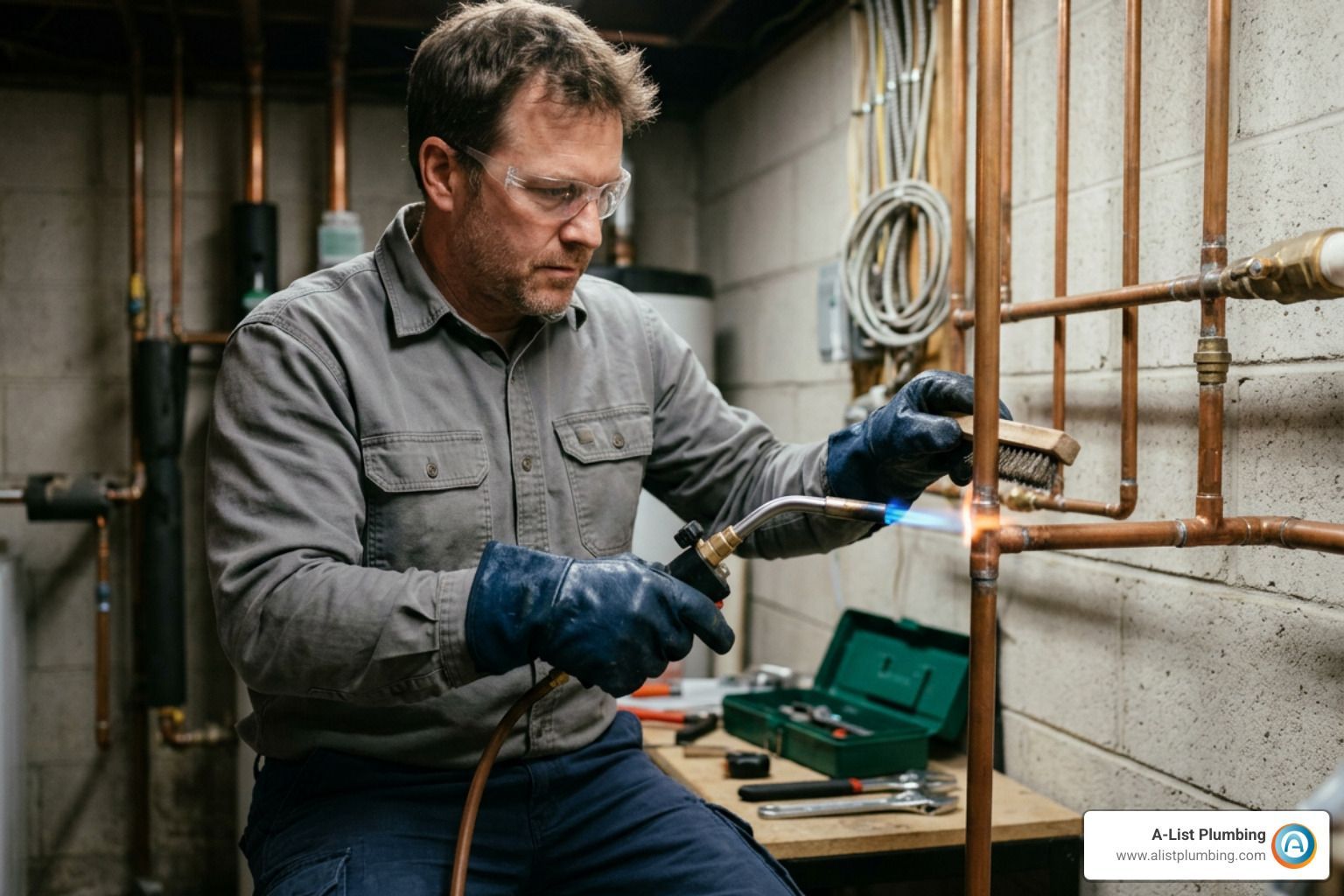
If you're feeling handy, you can attempt a basic flush yourself. However, you are dealing with scalding hot water and either high-voltage electricity or combustible gas. Safety is paramount.
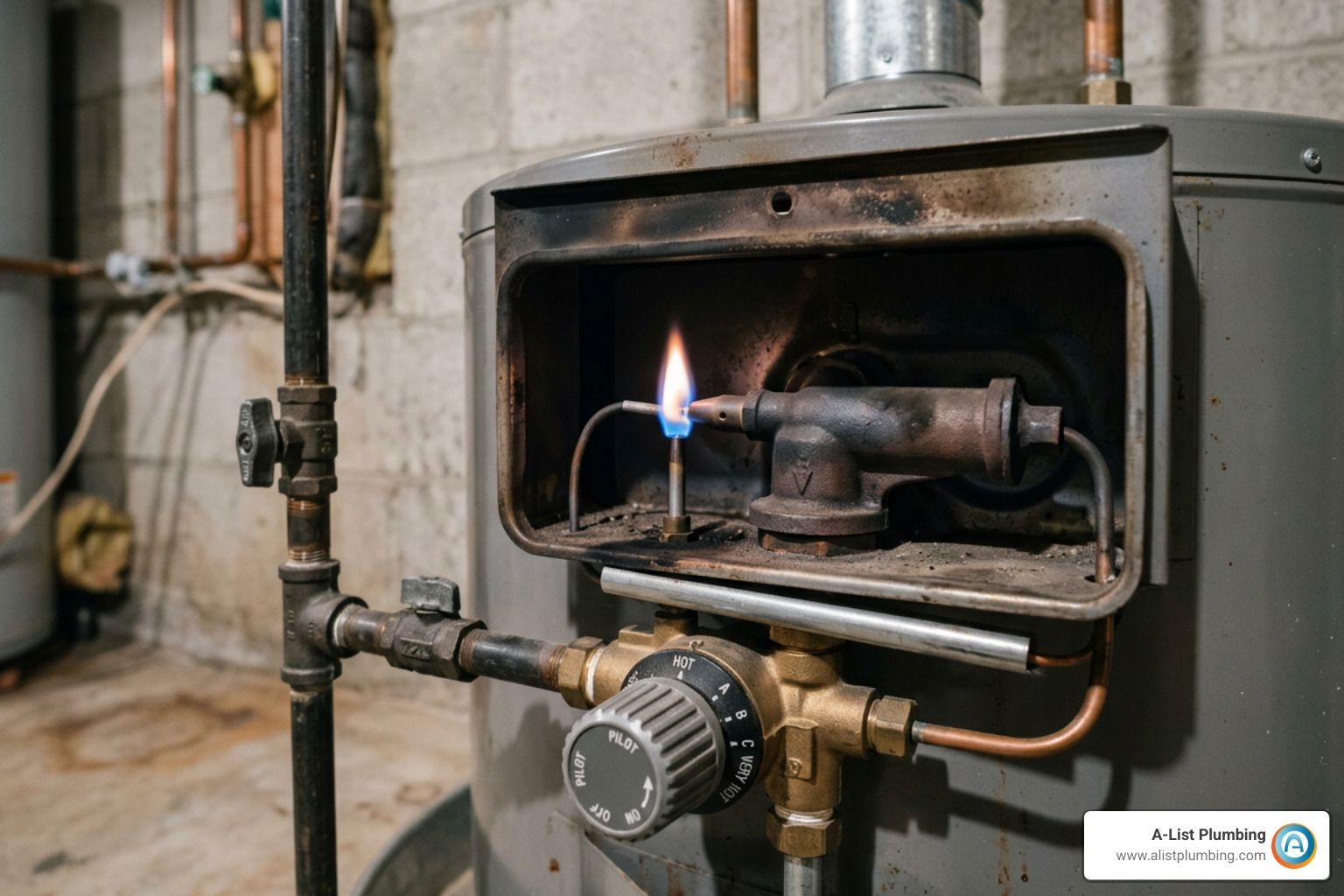
- Shut Off the Power: For electric heaters, flip the breaker. For gas heaters, turn the thermostat to the "Pilot" or "Vacation" setting.
- Close the Cold Water Supply: Turn the valve at the top of the heater to stop new water from entering.
- Connect the Hose: Attach a standard garden hose to the drain valve at the bottom of the tank. Run the other end to a floor drain or outside.
- Open a Hot Water Faucet: Open a faucet somewhere in the house (like a bathtub) to allow air into the system, which helps it drain faster.
- Open the Drain Valve: Carefully open the valve. Warning: The water will be very hot!
- Flush with Fresh Water: Once the tank is empty, turn the cold water supply back on in short bursts. This "stirs up" the sediment at the bottom so it can be flushed out through the hose. Continue until the water runs clear.
- Refill and Restart: Close the drain valve, remove the hose, and let the tank refill completely before turning the power or gas back on. If you turn on an electric heater before the tank is full, you will dry-fire and destroy the upper heating element instantly.
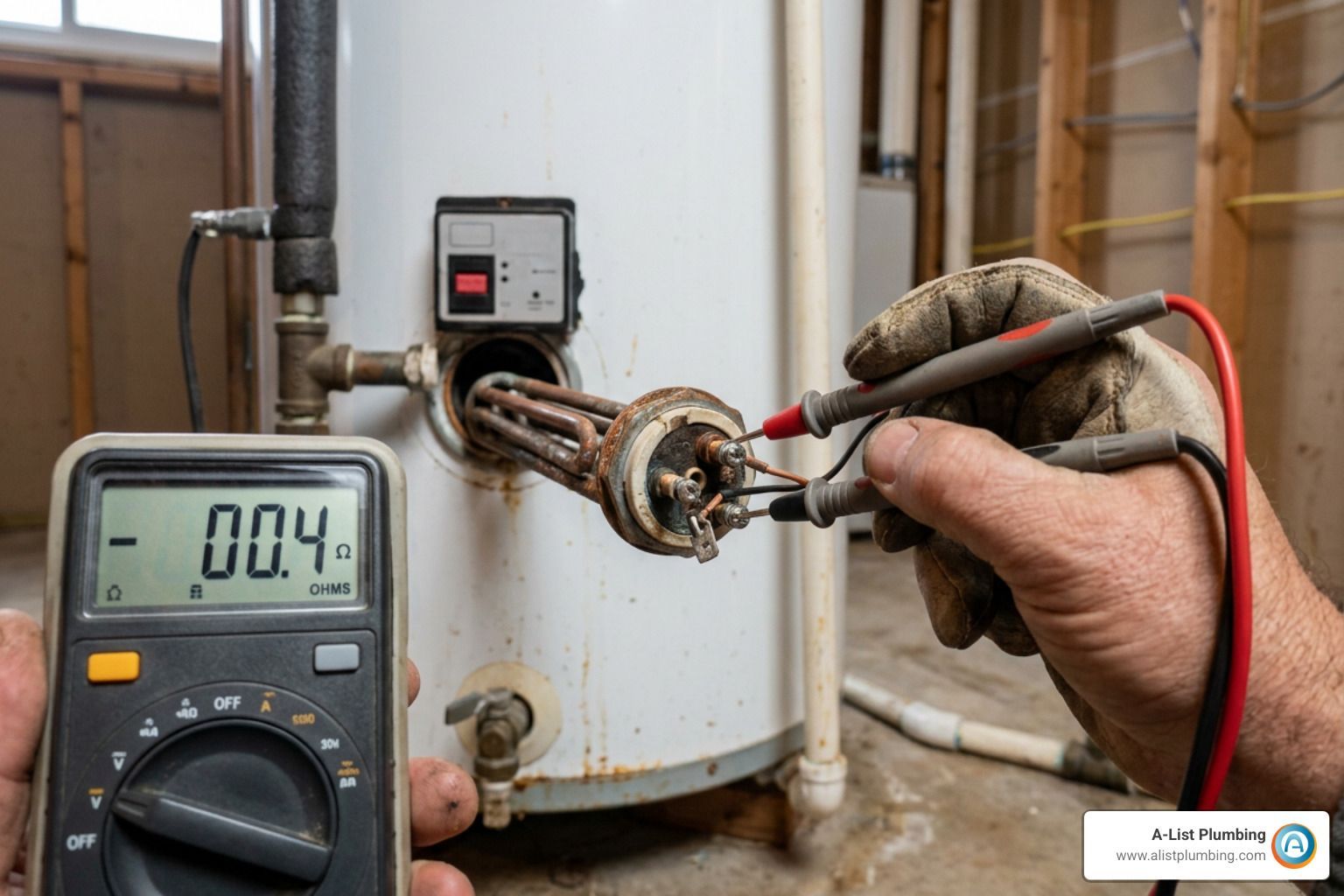
If you run into trouble during this process, such as a valve that won't close or a leak, you may need a professional Water Heater Repair to replace the faulty components.
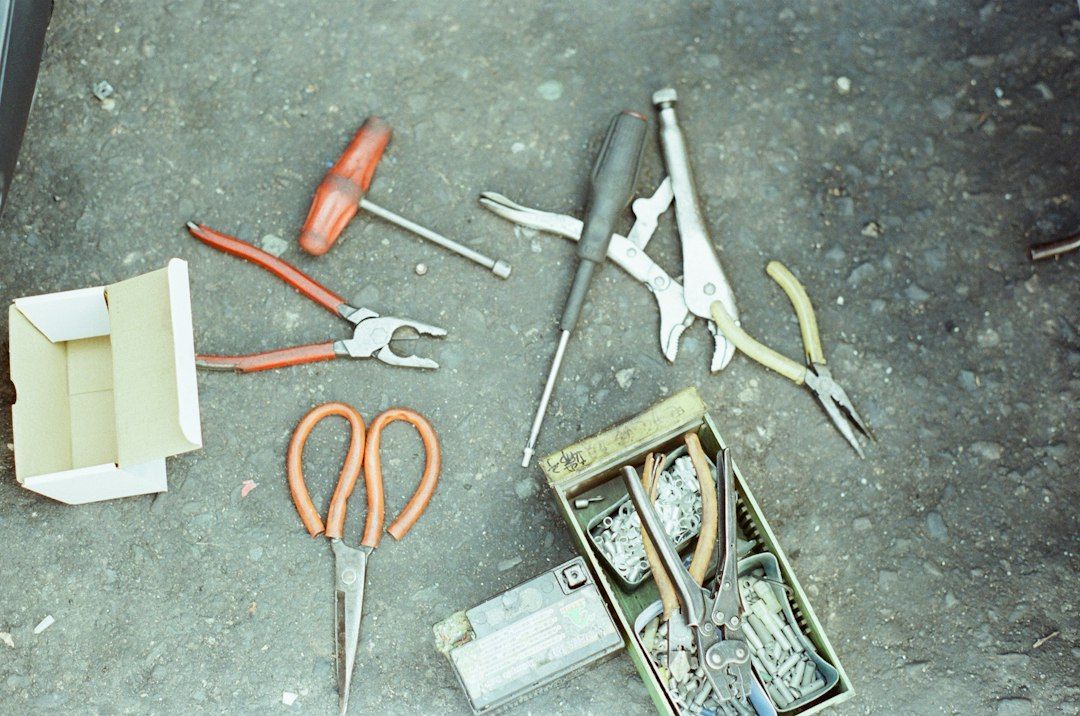
Essential Tools for a DIY Water Heater Flush Service
To do this right, you’ll need:
- Garden Hose: Long enough to reach a safe drainage point.
- Large Bucket: To catch any initial drips or to check the water clarity.
- Screwdriver/Pliers: To open the drain valve if it doesn't have a handle.
- Towels: To clean up any small spills.
- Safety Gear: Heavy-duty gloves and safety goggles to protect against splashes.
Safety Precautions During a Water Heater Flush Service
- Scald Prevention: Water inside a tank is usually 120–140°F. This can cause third-degree burns in seconds. Always let the water cool or handle the hose with extreme caution.
- Gas Safety: If you smell gas, stop immediately and call a professional.
- Electrical Safety: Never touch electrical components with wet hands or while standing in water.
- Pressure Discharge: Do not tamper with the Temperature and Pressure Relief (TPR) valve unless you know it is in good working order, as they can sometimes fail to reseal after being opened.
Tankless vs. Tank: Different Maintenance for Different Systems
If you’ve upgraded to Tankless Water Heaters, you might think you’re off the hook for maintenance. While there is no "tank" to flush, these systems are actually more sensitive to mineral buildup.
In a tankless system, water travels through small copper or stainless steel tubes called a heat exchanger. As the water is flash-heated, minerals solidify and stick to the walls of these tubes. This is called "scaling." If the scale gets too thick, the unit will overheat and throw an error code, eventually leading to a total system shutdown.
Instead of a simple flush, tankless units require "descaling." This involves:
- Isolating the unit from the home's plumbing.
- Using a circulation pump to loop a food-grade white vinegar solution through the heat exchanger for about 45–60 minutes.
- The vinegar breaks down the calcium and magnesium deposits.
- Flushing the unit with fresh water to remove the vinegar.
- Cleaning the intake filter screen.
Frequently Asked Questions about Water Heater Maintenance
How often should you flush your water heater in 2026?
By April 2026, water heater technology has become even more efficient, but the water in Bothell and Seattle still contains the same minerals. We recommend a water heater flush service at least once a year. However, if you live in an area with particularly hard water, or if you have a large family that uses a lot of hot water, every 6 months is a safer bet. Regular maintenance is often a requirement to keep your warranty valid, especially if you've recently had an Efficient Hot Water Tank Installation by A-List Plumbing in Lynnwood.
Can flushing a water heater improve energy efficiency?
Absolutely. Removing just a half-inch of sediment from the bottom of your tank can improve its efficiency by double digits. When the heating element or burner doesn't have to fight through a layer of "rock," it uses less gas or electricity to get the job done. This results in lower monthly bills and less strain on the unit, which extends its total lifespan.
When should you call a professional instead of doing it yourself?
While DIY is possible, there are several scenarios where you should call us:
- The Drain Valve is Stuck: Plastic drain valves are notorious for breaking or leaking if they haven't been turned in years.
- Heavy Compaction: If you open the valve and nothing comes out, your sediment is likely "compacted." A pro has the tools to break this up safely.
- Electrical/Gas Concerns: If you aren't comfortable working around 240V electricity or gas lines.
- Warranty Protection: Having a licensed plumber perform the service provides a paper trail for your manufacturer's warranty.
Conclusion: Protecting Your Investment with A-List Plumbing
Your water heater is the unsung hero of your home, providing comfort for everything from your morning shower to your evening dishes. Don't wait for a cold shower to remind you that it needs attention. A professional water heater flush service is a small investment that pays for itself through lower energy bills and a longer-lasting appliance.
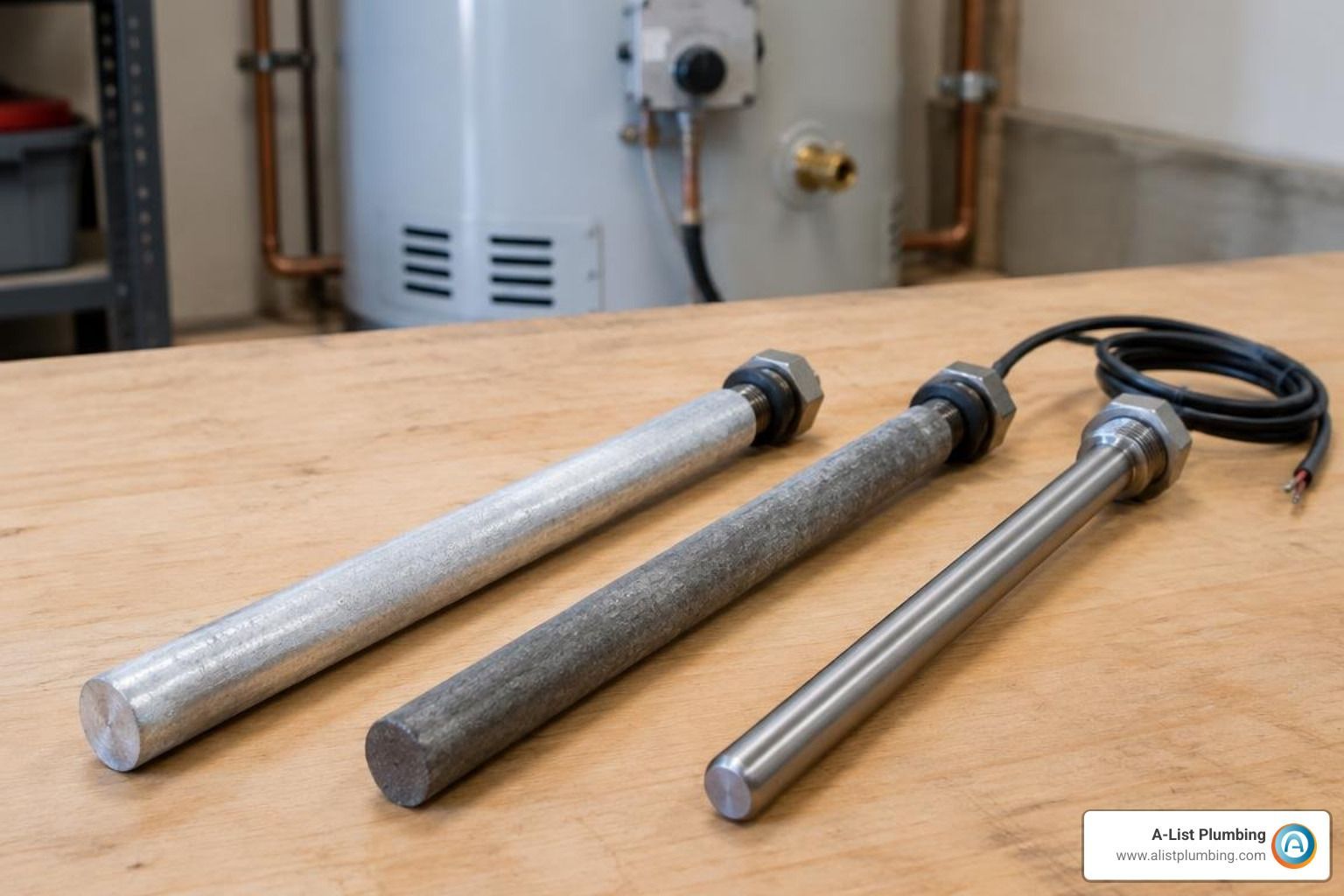
At A-List Plumbing, we bring 22 years of experience to every job. Whether you’re in Lynnwood, Shoreline, or the heart of Seattle, our team offers same-day availability and transparent pricing. We don’t just drain your tank; we perform a full safety inspection, checking your anode rod, your TPR valve, and your connections to ensure your home stays safe and dry.
Don't let sediment steal your hot water. Schedule your Water Heater Repair today to book your annual maintenance. We’re here to make sure your water stays hot and your worries stay cold!