

A Leaky Pipe Can Cost You Thousands — Here's How to Find the Right Plumber Fast
A leaking pipe plumber is exactly what you need when water is where it shouldn't be. Here's a quick answer before we dive deeper:
How to find the best plumber for leaking pipes:
- Call a licensed, local plumber with experience in leak detection and pipe repair
- Look for 24/7 emergency availability — leaks don't wait for business hours
- Ask about non-invasive leak detection tools like thermal imaging and moisture meters
- Get upfront, transparent pricing before any work begins
- Check for same-day service — the longer a leak goes, the more damage it causes
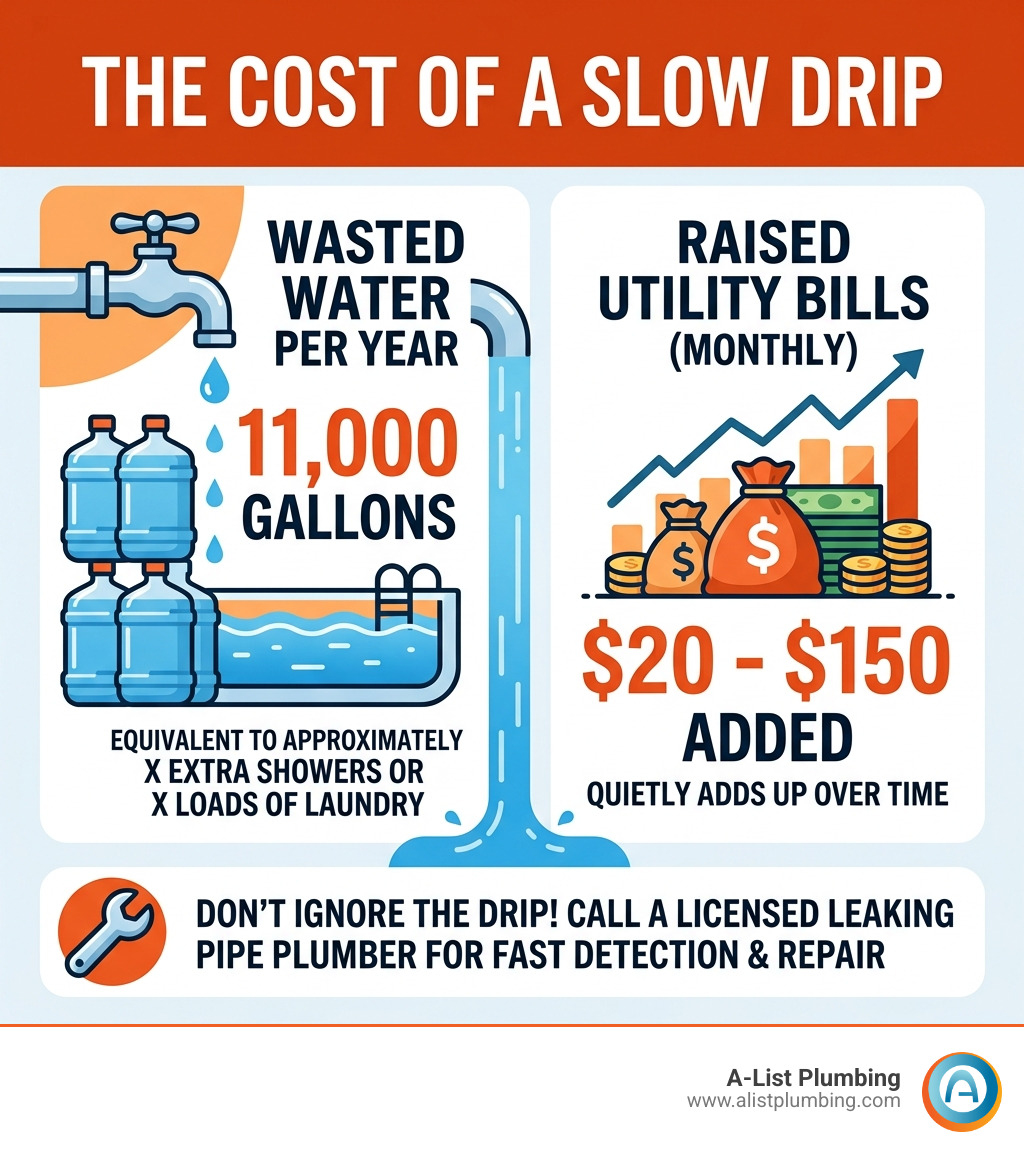
Even a slow drip can waste up to 11,000 gallons of water per year for the average family according to the Environmental Protection Agency — and quietly add anywhere from $20 to $150 to your monthly water bill. Worse, hidden leaks behind walls or under floors can rot wood, crack foundations, and grow mold long before you ever notice them.
That's the problem with pipe leaks: you often don't know you have one until the damage is already done.
I'm Heath Shockman, owner of A-List Plumbing since 2011, and I've spent years helping Greater Seattle homeowners find and fix leaks fast — from corroded copper pipes to hidden slab leaks — as a trusted leaking pipe plumber in the Pacific Northwest. In this guide, I'll walk you through everything you need to know to protect your home and find the right help.
Understanding the Causes and Risks of Leaking Pipes
When we arrive at a home in Lynnwood or Seattle, the first thing we do is determine why the pipe failed. Pipes don't just start leaking for no reason; there is always an underlying culprit.
Common Causes of Pipe Leaks:
- Corrosion: This is the most frequent offender in older Seattle homes. Galvanized steel pipes, common in mid-century builds, rust from the inside out over decades. Even copper can experience "pitting" corrosion due to soil chemistry or water pH.
- High Water Pressure: While a powerful shower feels great, pressure exceeding 60-80 PSI stresses every joint and seal in your home. Over time, this constant force causes small cracks that turn into major floods.
- Temperature Fluctuations: In Western Washington, we deal with freeze-thaw cycles. When water freezes inside a pipe, it expands with incredible force, often leading to a Broken Pipes Repair in Seattle WA.
- Tree Root Intrusion: For underground lines, thirsty tree roots can find tiny hairline fractures in your pipes and grow inside them, eventually bursting the line.
The Risks of Ignoring the Drip: Ignoring a leak is a gamble you’ll likely lose. Beyond the wasted water, leaks cause structural rot in wooden framing and saturate drywall, leading to "bubbling" or peeling paint. The most dangerous side effect, however, is mold growth. Mold can begin to colonize in as little as 24 to 48 hours after water exposure, creating respiratory risks for your family. In extreme cases, a long-term underground leak can even wash away the soil beneath your home, leading to foundation cracks.
Identifying Your System Before Calling a Leaking Pipe Plumber
Before you pick up the phone, it helps to know what kind of "veins" your house has. Different materials require different repair techniques and parts.
- Copper: Common in most homes built after the 1960s. It’s durable but susceptible to "pinhole" leaks.
- PEX (Cross-linked Polyethylene): The modern gold standard. It’s flexible, resists scale, and is much less likely to burst in cold weather.
- PVC/CPVC: Usually found in drain lines or newer cold-water supplies.
- Galvanized Steel: Found in older homes; these are silver/grey threaded pipes that are highly prone to internal clogging and external leaking.
Identifying your pipe diameter and material helps us arrive prepared for a Broken Pipe Repair with the exact fittings needed to get your water back on the same day.
How to Detect a Water Leak Quickly and Accuratey
Some leaks are obvious—like a geyser in the front yard—but most are "silent killers." To protect your home, you need to play detective.
The Water Meter Test: This is the most accurate DIY detection method. Turn off every faucet, shower, and appliance (dishwasher/laundry) in the house. Go outside and look at your water meter. If the low-flow indicator (usually a small triangular star or dial) is spinning, you have a leak. If you check it again after three hours of no water use and the numbers have changed, you definitely have a hidden issue that requires Leak Detection in Lynnwood WA.
Other Warning Signs:
- Unexplained Bill Spikes: If your water usage hasn't changed but your bill jumped $50, the water is going somewhere.
- Musty Odors: That "old basement" smell is often actually rotting wood or mold caused by a slow-dripping pipe.
- Physical Changes: Look for spongy drywall, darkened spots on the ceiling, or warped hardwood flooring.
Why a Professional Leaking Pipe Plumber is Essential for Hidden Leaks
While a homeowner can spot a wet ceiling, finding the source is much harder. Water follows the path of least resistance; a leak might start ten feet away from where the puddle actually appears.
We use advanced, non-invasive Leak Detection technology to avoid tearing holes in your walls unnecessarily:
- Thermal Imaging (Infrared): These cameras detect temperature differences. Since leaking water is usually cooler or warmer than the surrounding wall, it shows up as a "bloom" on our screens.
- Acoustic Sensors: We use high-sensitivity microphones to "listen" for the sound of pressurized water escaping a pipe underground or behind a slab.
- Moisture Meters: These allow us to pin-point exactly how much water is trapped inside a wall without cutting into it.
Temporary DIY Fixes vs. Permanent Pipe Repairs
If you find a leak at 2:00 AM, a temporary fix can save your cabinets until we arrive. However, it is vital to remember that these are band-aids , not cures.
Common Temporary Fixes:
- Epoxy Putty: A two-part putty you knead together and press over a small crack. It hardens at room temperature to seal the hole.
- Silicone Tape (Self-Fusing): This tape doesn't have adhesive; instead, it bonds to itself when stretched. It’s great for sealing joints temporarily.
- Repair Clamps: A metal sleeve with a rubber gasket that bolts over the leak.
If you are dealing with a Broken Pipes Repair in Shoreline WA, these might stop the spray, but the underlying corrosion or pressure issue will eventually cause the patch to fail—often more spectacularly than the original leak.
Step-by-Step Methods for Permanent Fixes
A permanent repair involves removing the compromised section of the pipe and replacing it with new, high-quality material.
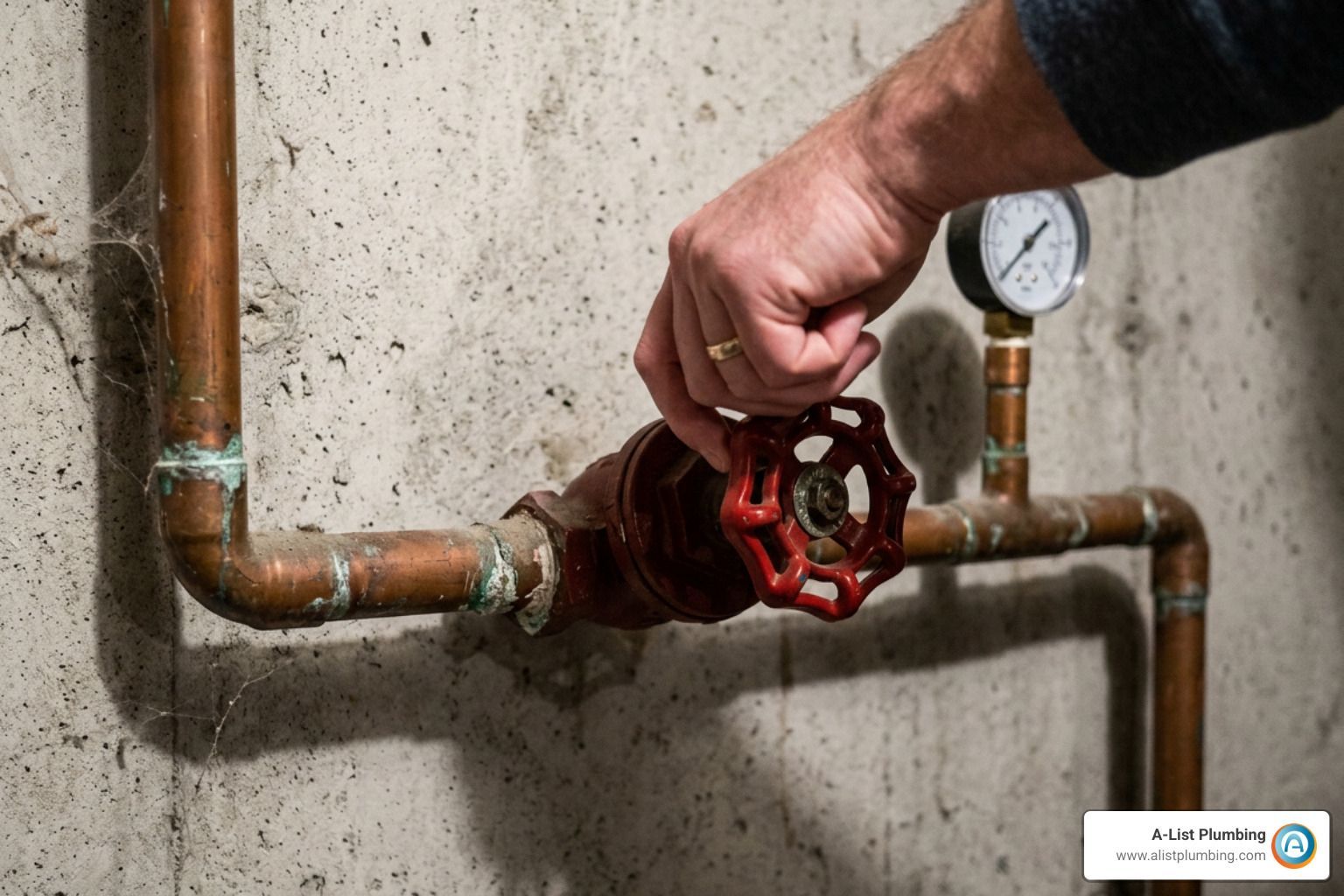
- Water Shutoff: We locate the main valve to stop the flow entirely.
- Access and Cutting: We carefully remove the damaged section of pipe.
- Deburring: For copper or PVC, we must smooth the edges (deburr) to ensure a watertight seal.
- Fitting Installation: We use professional-grade couplings or solder joints. In some cases, we perform a Broken Pipes Repair in Bothell WA by transitioning old galvanized pipe to modern PEX.
- Pressure Testing: We slowly turn the water back on and monitor the new joints under full house pressure to ensure 100% reliability.
- Code Compliance: Every repair we do meets or exceeds local Washington State plumbing codes.
When to Call a Leaking Pipe Plumber for Emergencies
Not every leak is a "wait until Monday" situation. Some require immediate intervention to prevent catastrophic property loss.
You have a plumbing emergency if:
- You cannot turn off the water: If your main shutoff valve is stuck or broken and water is flooding your home, call us immediately.
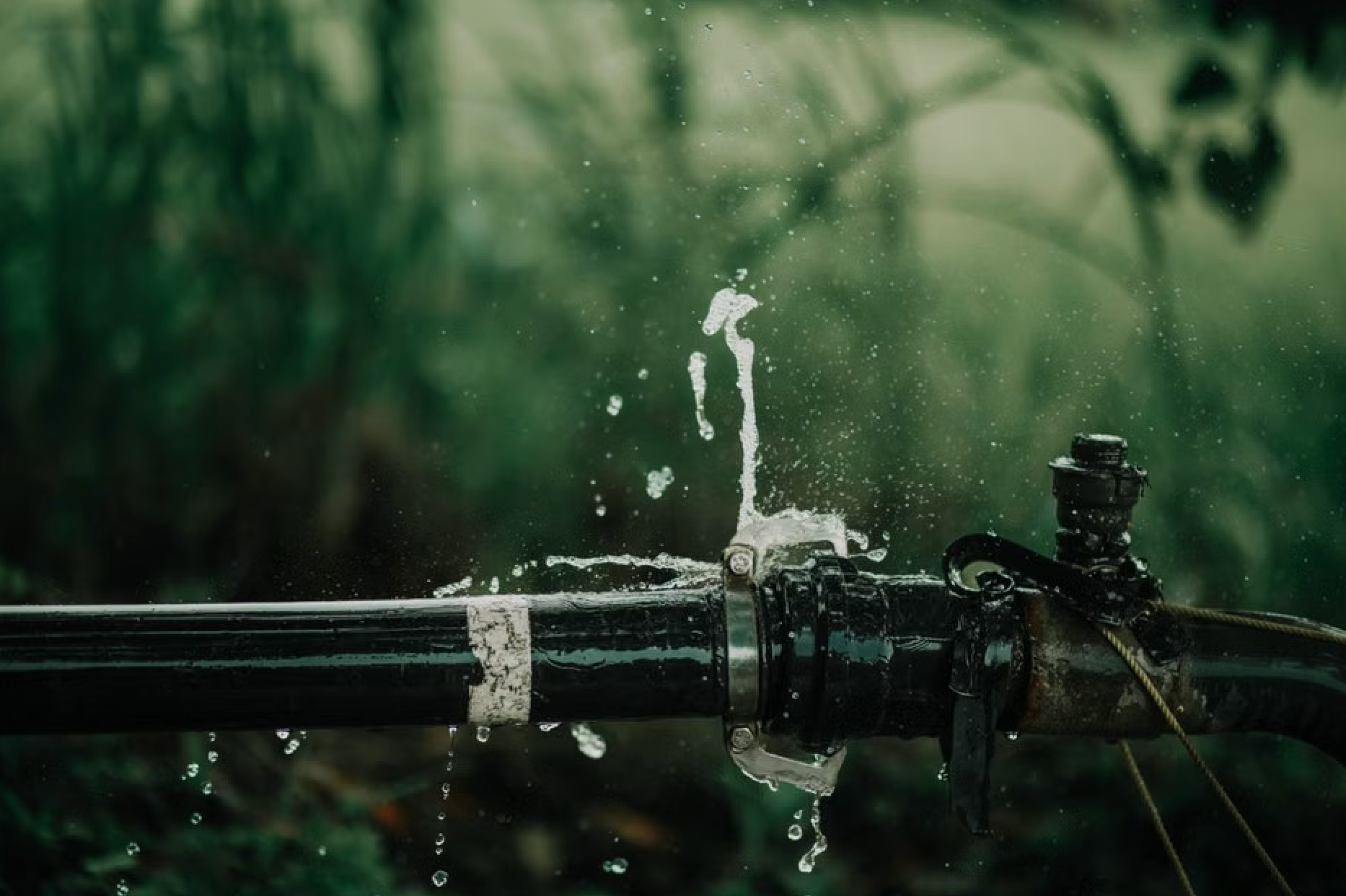
- Rapid Flooding: If a pipe has burst (not just dripped), every minute represents hundreds of dollars in floor and drywall damage.
- Electrical Hazards: If water is leaking near your electrical panel, outlets, or light fixtures, do not touch the water. Turn off the power at the breaker if safe to do so and call an emergency leaking pipe plumber.
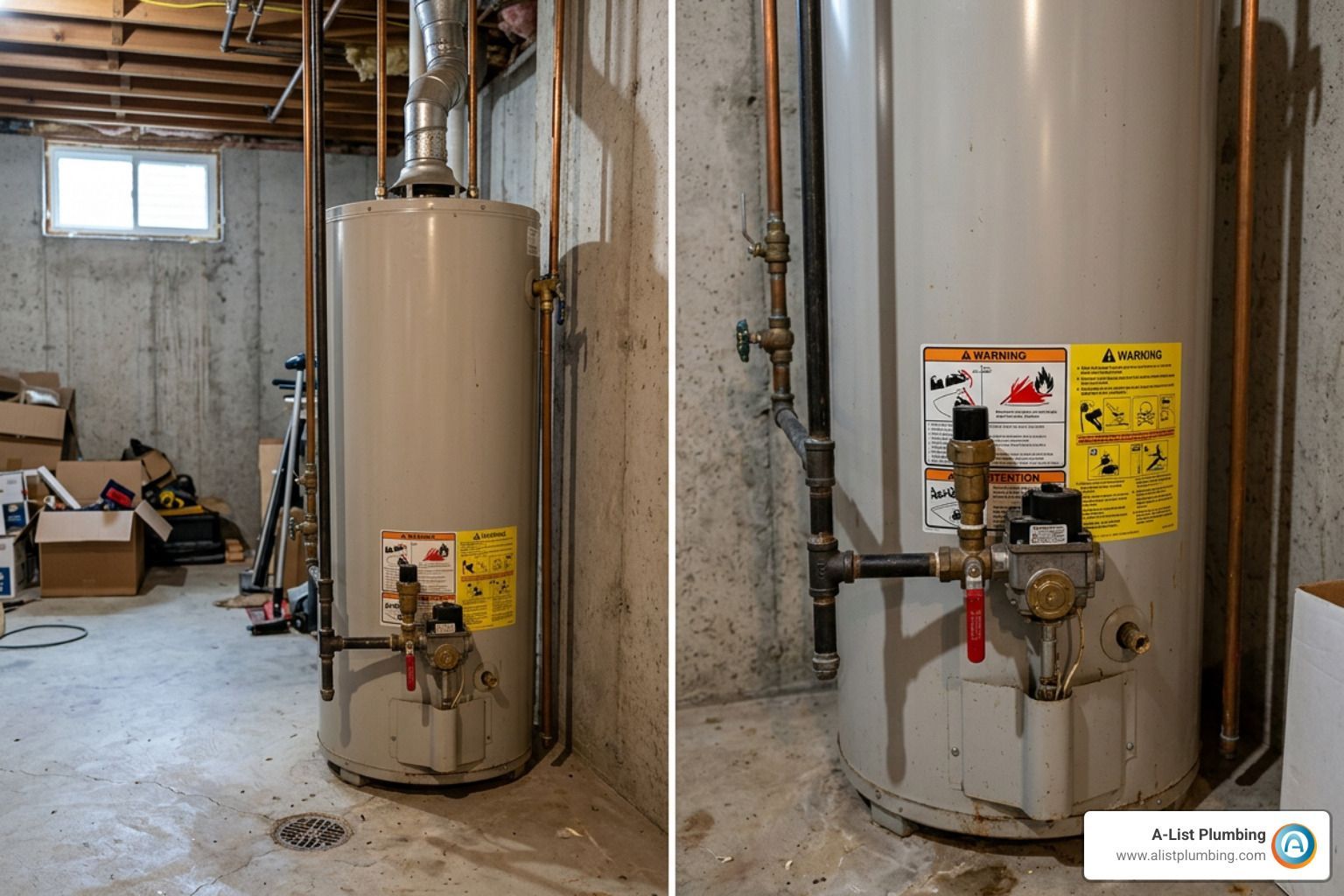
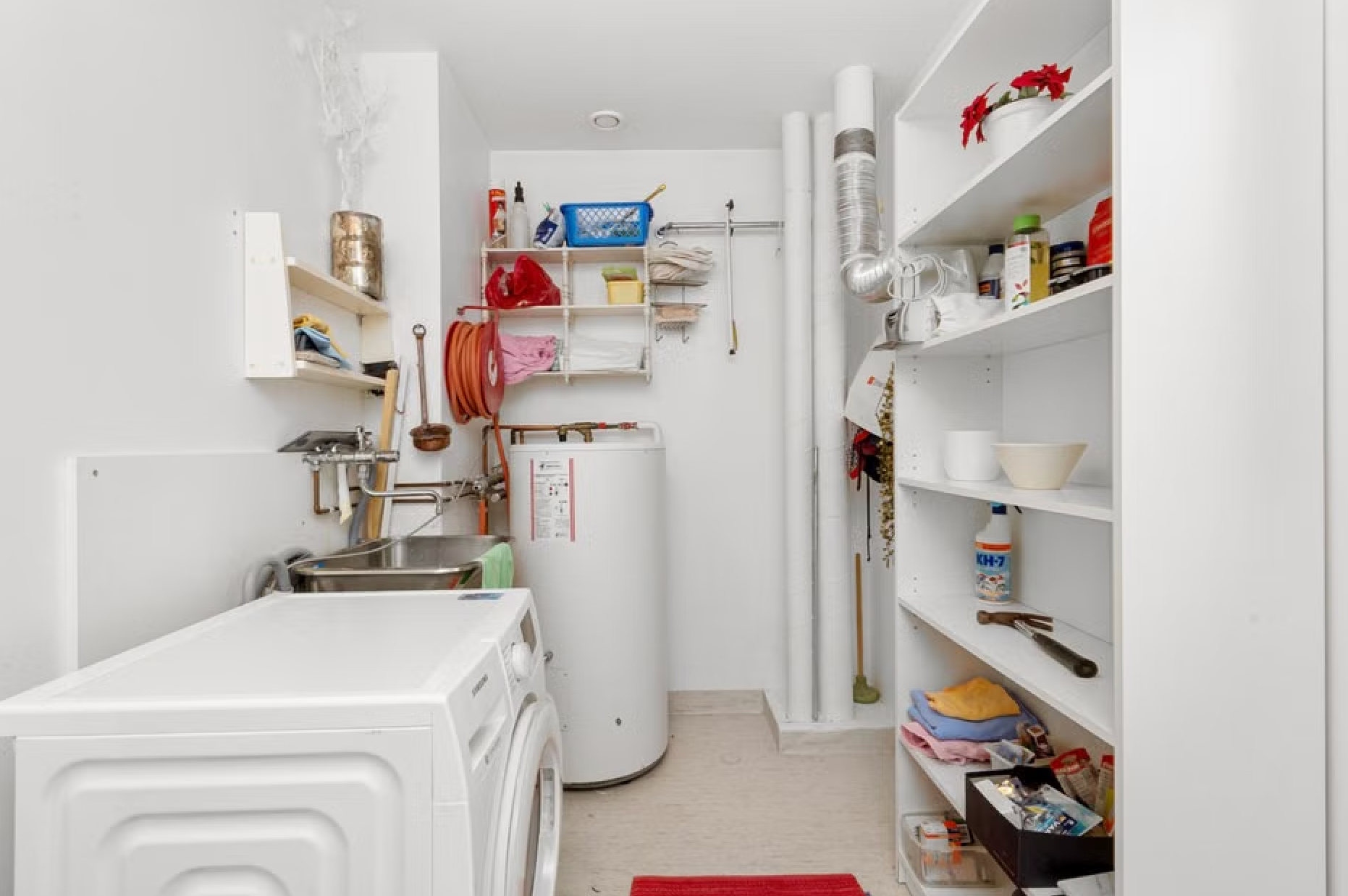
- Water Heater Failure: A leaking tank can dump 40-50 gallons of water instantly. We specialize in Water Heater Leaks in Bothell WA and surrounding areas to swap out failing units before they ruin your basement.
Cost Factors and Prevention Strategies for 2026
Homeowners often worry about the cost of professional repairs. While a DIY kit might cost $20, a failed DIY repair that leads to a flooded basement can cost $10,000 in restoration fees.
Factors that Affect the Price:
- Location: A leak under a sink is much cheaper to fix than a "slab leak" under your concrete foundation.
- Material: Copper and specialized fittings cost more than PEX.
- Extent of Damage: If the pipe is so corroded that it can't hold a new fitting, a larger section may need replacement.
| Factor | DIY Temporary Fix | Professional Permanent Repair |
|---|---|---|
| Material Cost | $15 - $50 | $100 - $300 (standard) |
| Labor | Your Time (Free) | Flat-rate, transparent pricing |
| Longevity | Days/Weeks | Decades |
| Risk Level | High (Potential for failure) | Zero (Work is guaranteed) |
Prevention is the Best Cure: To avoid needing a Broken Pipes Repair in Magnolia WA in the future:
- Install a Pressure Regulator: Keep your home's PSI between 40 and 60.
- Insulate Your Pipes: Use foam sleeves on pipes in unheated crawlspaces or garages to prevent freezing.
- Annual Inspections: Having a plumber walk through your home once a year can catch "sweaty" pipes or slow drips before they become disasters.
Frequently Asked Questions about Leaking Pipes
How much water is wasted by a leaking pipe?
It’s more than you think. A single "slow" drip can waste 11,000 gallons a year. To put that in perspective, that is enough water to fill a small backyard swimming pool or take 500 extra showers. This waste is not just bad for the environment; it’s a direct drain on your bank account through increased utility bills.
Does homeowners insurance cover pipe leak repairs?
This is a tricky one. Most policies cover the damage caused by a sudden pipe burst (like replacing your ruined carpet), but they often do not cover the actual cost of the plumber repairing the pipe itself. Furthermore, if the leak was caused by "gradual wear and tear" or lack of maintenance (like old rusted pipes you knew about), insurance may deny the claim entirely. Always document the damage with photos immediately.
Can I fix a leaking pipe without replacing the whole section?
In some cases, yes. If the leak is a tiny pinhole in an otherwise healthy copper pipe, a repair clamp or epoxy resin can work as a permanent solution if applied correctly by a professional. However, if the pipe is thin, brittle, or rusted, trying to patch it is like trying to sew a button onto a piece of wet tissue paper. For a Broken Pipes Repair in Edmonds WA, we usually recommend replacing a small section to ensure you don't have to call us back for the same spot next month.
Conclusion
A leaking pipe is a ticking clock. Whether it's a subtle musty smell in your Lynnwood basement or a sudden burst pipe in your Seattle kitchen, the faster you act, the more money you save.
At A-List Plumbing, we bring 22 years of experience to every job. We pride ourselves on same-day availability and transparent, upfront pricing so you’re never surprised by the bill. We serve the entire Greater Seattle area, including Shoreline, Bothell, and Edmonds, with expert leak detection and repair services.
Don't let a small drip turn into a big disaster. More info about our plumbing services is just a click away, or you can contact us directly to get a professional leaking pipe plumber to your door today.