

When You Smell Gas, Every Second Counts
If you're looking for a gas leak plumber near me, here's what you need to know right now:
Quick Action Checklist:
- Leave the building immediately — take everyone with you, including pets
- Don't touch any switches or electronics
- Call 911 or your gas utility from outside or a neighbor's home
- Call a licensed gas leak plumber once the utility has shut off supply
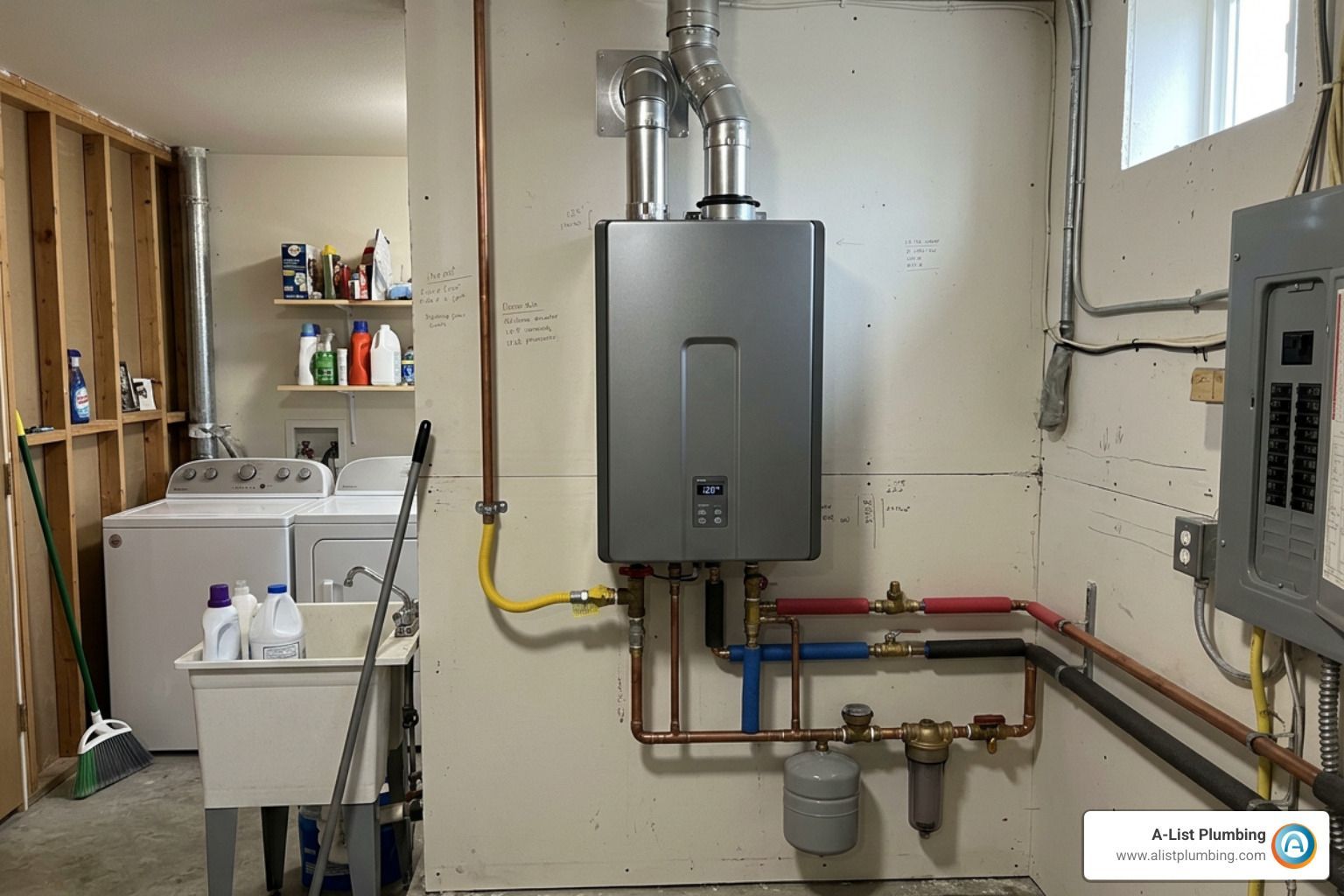
Natural gas powers millions of Northwest homes — heating systems, water heaters, stoves, and fireplaces all depend on it. But the same lines that keep your home comfortable can become a serious danger when they fail.
The problem? A gas leak doesn't always announce itself loudly. Sometimes it's a faint smell. Sometimes it's a subtle hiss near the water heater. Sometimes it's nothing you can detect at all without specialized equipment.
What starts as a small leak can escalate into a fire, an explosion, or a slow poisoning from carbon monoxide — and the Greater Seattle area's wet climate and older housing stock only adds to the risk of corroded or failing gas lines.
That's why knowing what to do — and who to call — matters so much.
I'm Heath Shockman, owner of A-List Plumbing since 2011, and finding a trustworthy gas leak plumber near me is one of the most urgent calls I respond to in the Seattle area. With experience in residential gas systems across the Pacific Northwest, I've seen how quickly a small leak can become a major emergency — and how the right response makes all the difference.
Recognizing the Danger: Common Signs of a Gas Leak
Natural gas is primarily composed of methane. In its natural state, it is actually colorless and odorless. Because it is highly flammable and explosive, utility companies add a chemical called mercaptan to give it a distinct "rotten egg" or sulfur-like smell. This is your first and most important warning sign.
However, a smell isn't the only way to detect a problem. You should also watch and listen for these indicators:
- Hissing or Whistling: If you hear a faint hissing or whistling sound near a gas appliance (like your furnace or water heater) or along a wall where gas lines run, it could be gas escaping through a crack or loose fitting.
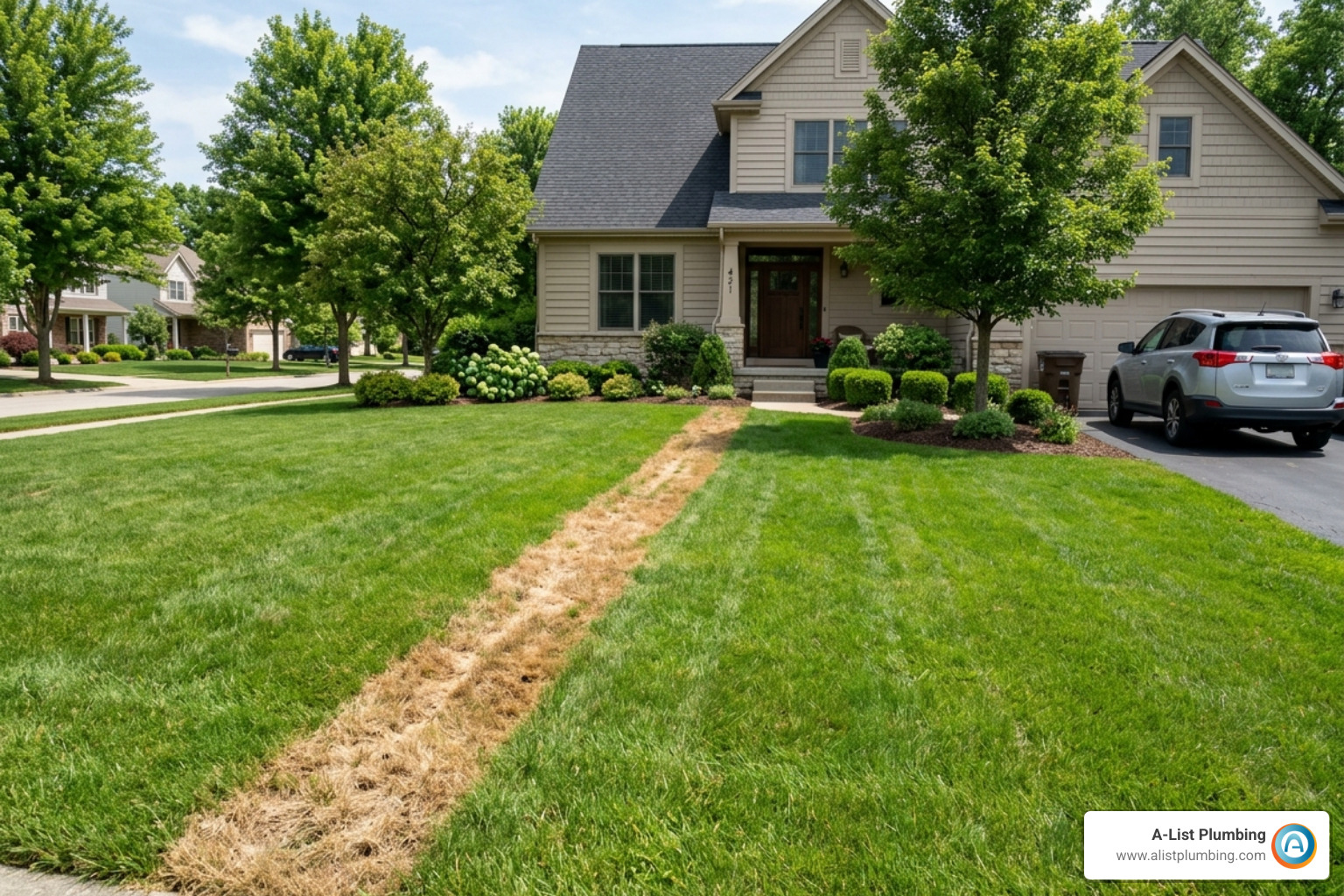
- Dead Vegetation: Have you noticed a patch of dead grass or brown plants in an otherwise green yard? If this patch follows the path of your underground gas line, the leaking gas may be displacing the oxygen the plants need to survive.
- Bubbles in Standing Water: After a typical Seattle rainstorm, look at puddles or water features near your gas lines. If you see bubbles rising through the mud or water, it’s a sign of gas escaping from an underground pipe.
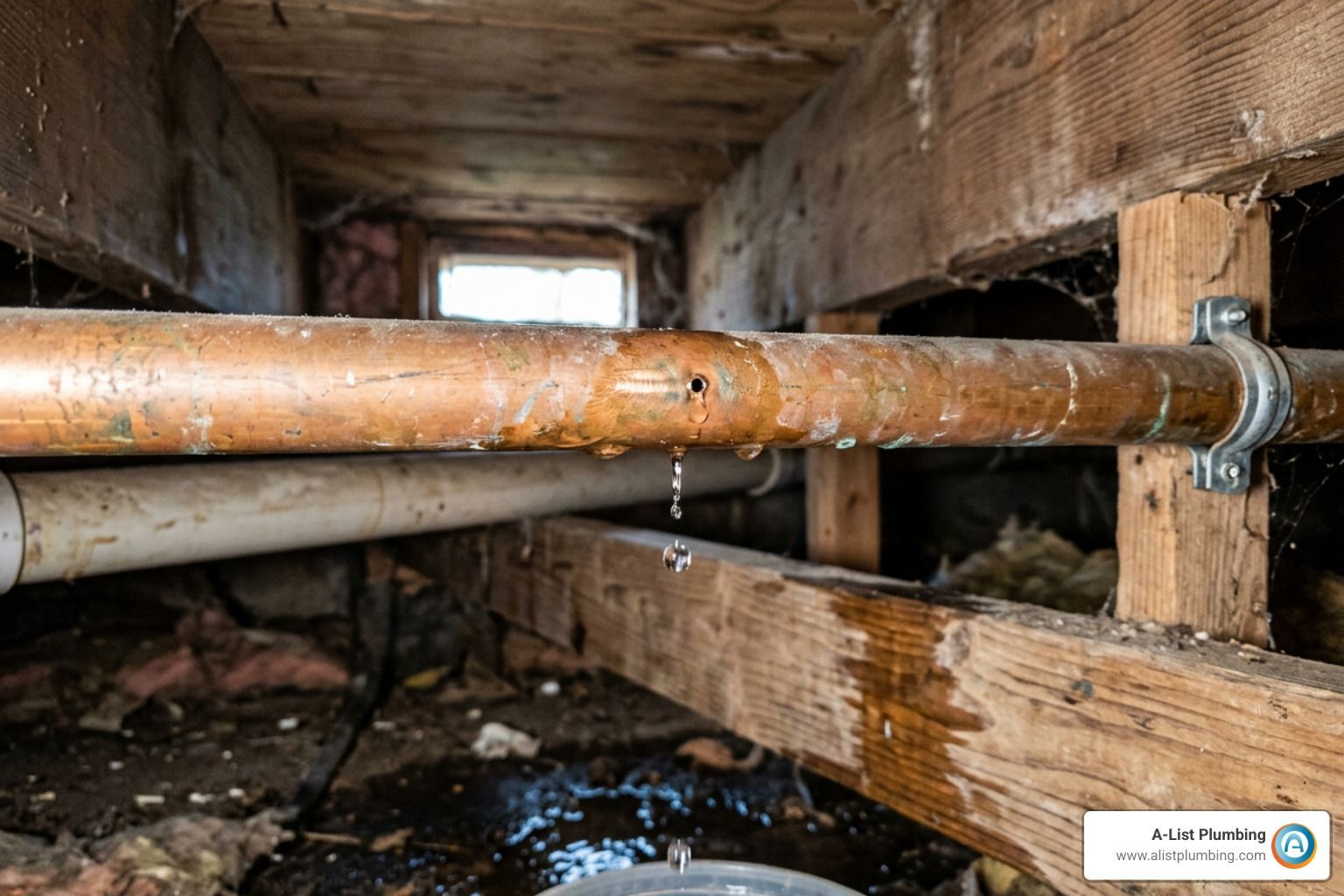
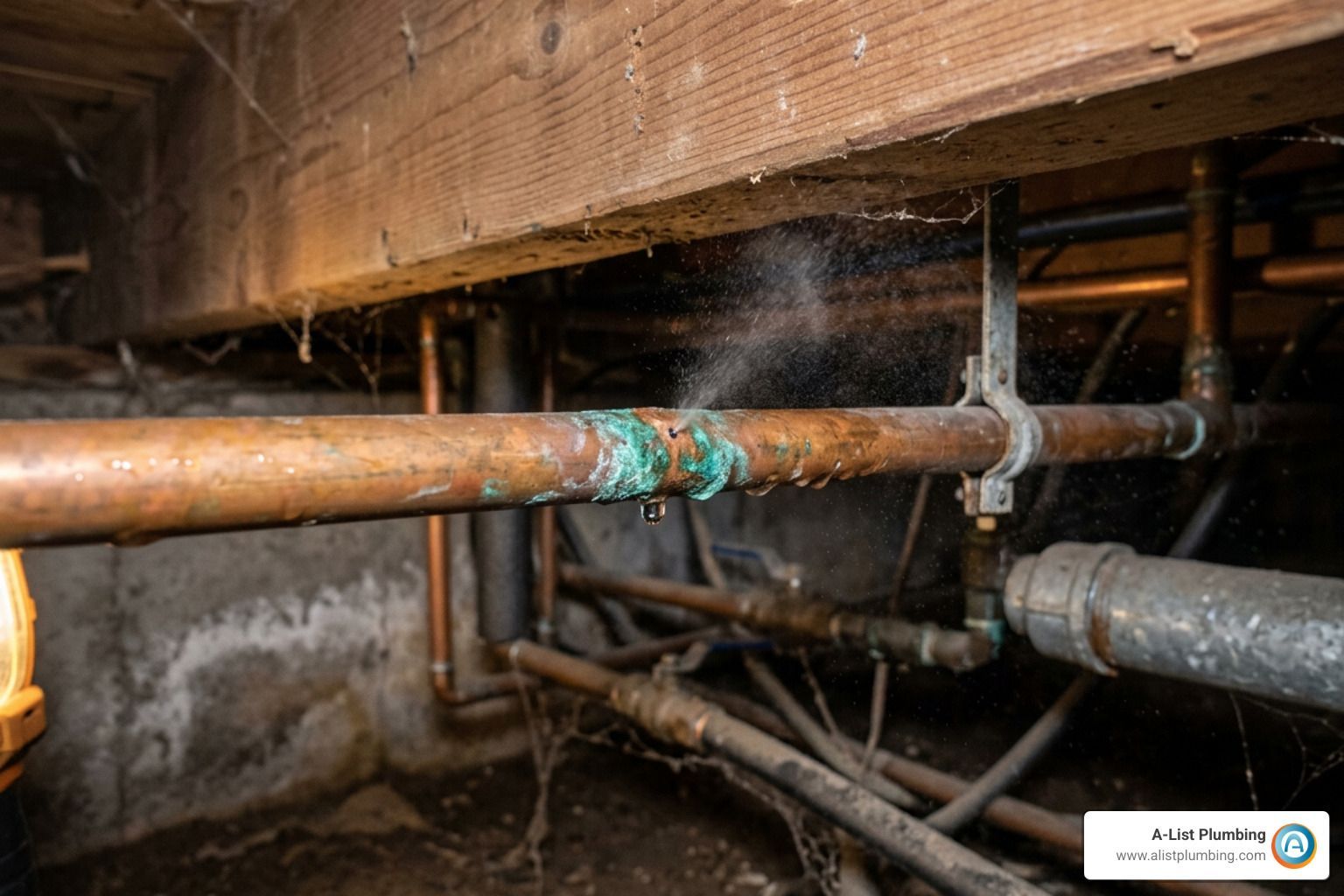
- Physical Damage: Visible corrosion, deep dents, or cracks on exposed pipes are clear red flags that the integrity of the line is compromised.
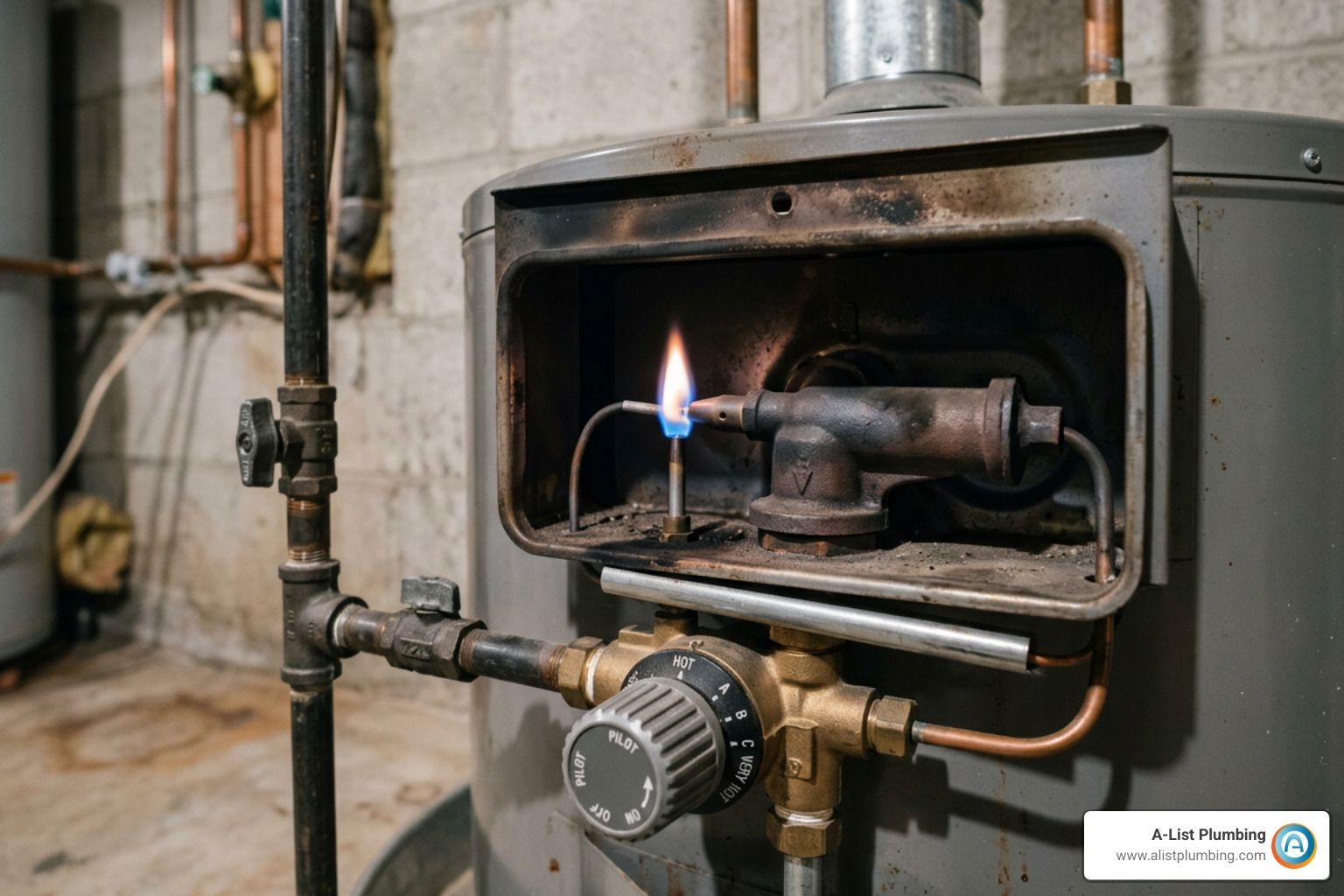
- Orange or Yellow Flames: Your gas stove or pilot light should always burn a steady blue. If the flame is orange or yellow, it indicates an inconsistent gas supply or improper combustion, often caused by line issues.
- High Utility Bills: An unexplained spike in your gas bill during April 2026 compared to previous years might mean gas is leaking out before it even reaches your appliances.
Health and Safety Risks of Exposure
Ignoring a gas leak isn't just a fire risk; it's a major health hazard. Even a small "pinhole" leak can allow gas to accumulate over time, especially in poorly ventilated areas like basements or crawl spaces.
Exposure to natural gas or the carbon monoxide produced by malfunctioning gas appliances can lead to:
- Nausea and dizziness
- Unexplained fatigue or drowsiness
- Headaches and "flu-like" symptoms that disappear when you leave the house
- Respiratory issues or eye and throat irritation
The most catastrophic risk, of course, is an explosion. Natural gas is highly volatile. A single spark from a light switch or a cell phone can ignite accumulated gas, leading to devastating property damage or loss of life.
Immediate Safety Protocol: What to Do if You Suspect a Leak
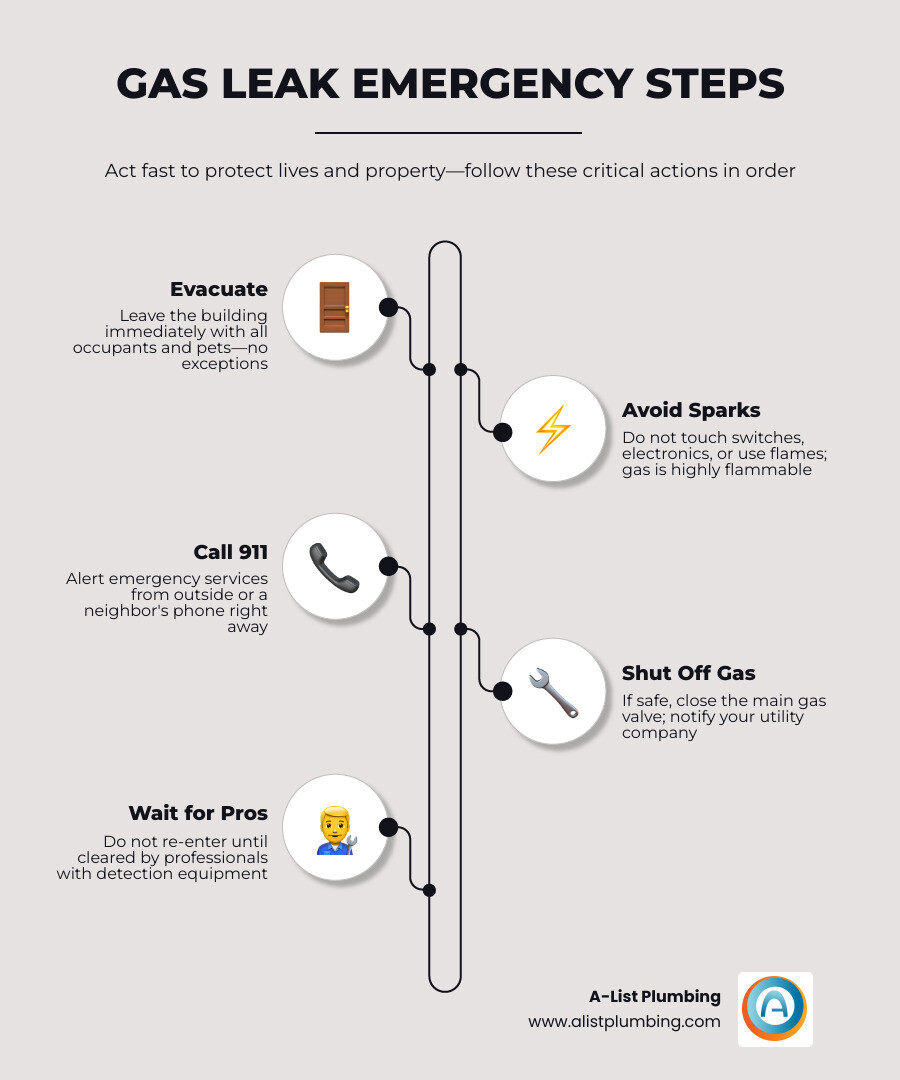
If you suspect a leak, do not stop to investigate it yourself. Your priority is evacuation.
- Evacuate Immediately: Get all people and pets out of the structure. Do not stop to grab valuables or open all the windows (though opening one or two on your way out for ventilation is okay if it doesn't delay your exit).
- Avoid All Sparks: This is critical. Do not turn lights on or off. Do not unplug appliances. Do not use a garage door opener.
- Shut Off the Main Valve: If you know where your gas meter is and can safely reach the shutoff valve outside the home, you can turn it off using a wrench. However, if the meter is in a confined space or you smell gas strongly near it, skip this and just keep moving.
- Call for Help: Once you are a safe distance away (at least 100 feet from the home), call 911 or your local gas utility provider. They will send an emergency crew to shut off the street supply and "red tag" the system if a leak is confirmed. For more information on staying safe, you can review natural gas safety guidelines from Ready.gov.
- Contact a Professional: After the utility company has made the area safe by shutting off the gas, you will need a licensed gas leak plumber near me to perform the actual repairs. The utility company usually only handles the line up to the meter; everything from the meter into your home is the homeowner's responsibility.
What Not to Do During an Emergency
In the heat of the moment, it's easy to make mistakes that increase the danger.
- Don't use your phone inside: Even the tiny electrical charge from a ringing phone or a text message can trigger an explosion in a high-concentration environment.
- Don't start your car: If your car is in the garage or parked right next to the house, leave it there. Starting the engine creates a spark.
- Don't search for the leak: Never use a lighter or match to look for a leak. Furthermore, don't try to find the leak with your hands; high-pressure gas escaping a tiny hole can cause "cold burns" or skin damage.
Why You Need a Professional Gas Leak Plumber Near Me
You might be a weekend warrior when it comes to fixing a leaky faucet, but gas lines are strictly "pro-only" territory. In many jurisdictions, including Seattle and Lynnwood, it is actually illegal for an unlicensed individual to perform gas line repairs.
Professional plumbers bring several essential things to the table:
- Code Compliance: We ensure all repairs meet current Washington state and local municipal plumbing codes. This is vital for your safety and for your home insurance validity.
- Liability Protection: Licensed, bonded, and insured professionals protect you if something goes wrong during the repair.
- Proper Pressure Testing: After a repair, we don't just "hope" it's fixed. We perform a rigorous pressure test to ensure the entire system is airtight before the gas is turned back on.
- Expertise in Gas Heat : We understand how gas interacts with your specific heating system, ensuring that the repair doesn't negatively impact your furnace's efficiency or safety.
How a Gas Leak Plumber Near Me Locates Hidden Leaks
When we arrive on-site in Edmonds or Shoreline, we use technology that goes far beyond the "sniff test."
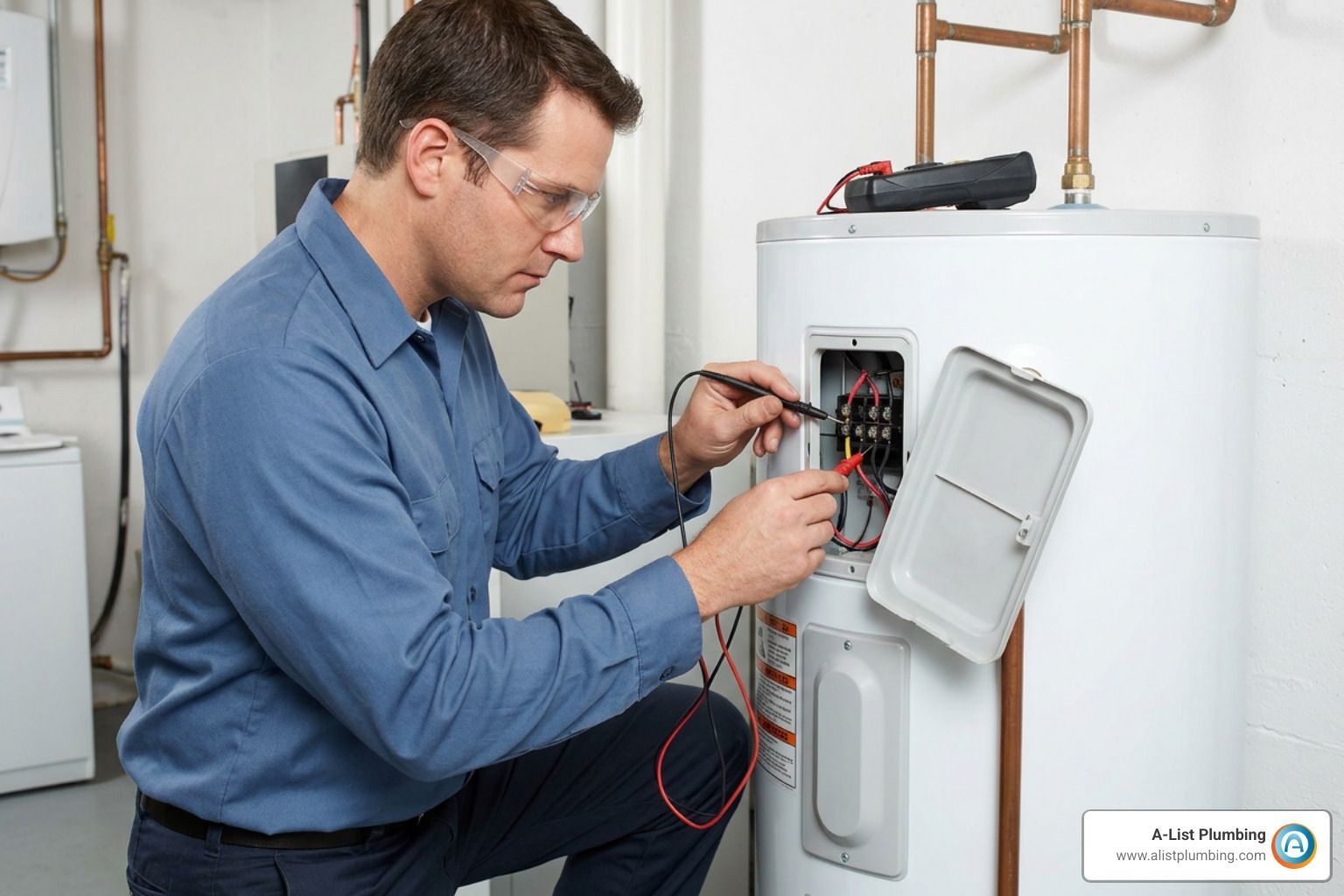
- Electronic "Sniffers": These are high-sensitivity handheld sensors that can detect minute concentrations of combustible gases that a human nose might miss.
- Ultrasonic Detection: This equipment listens for the specific sound frequency of gas escaping a pipe, which is incredibly helpful for finding leaks behind walls or underground.
- The Soap Bubble Test: For visible fittings, we use a specialized non-corrosive soap solution. If bubbles form, we’ve found the leak.
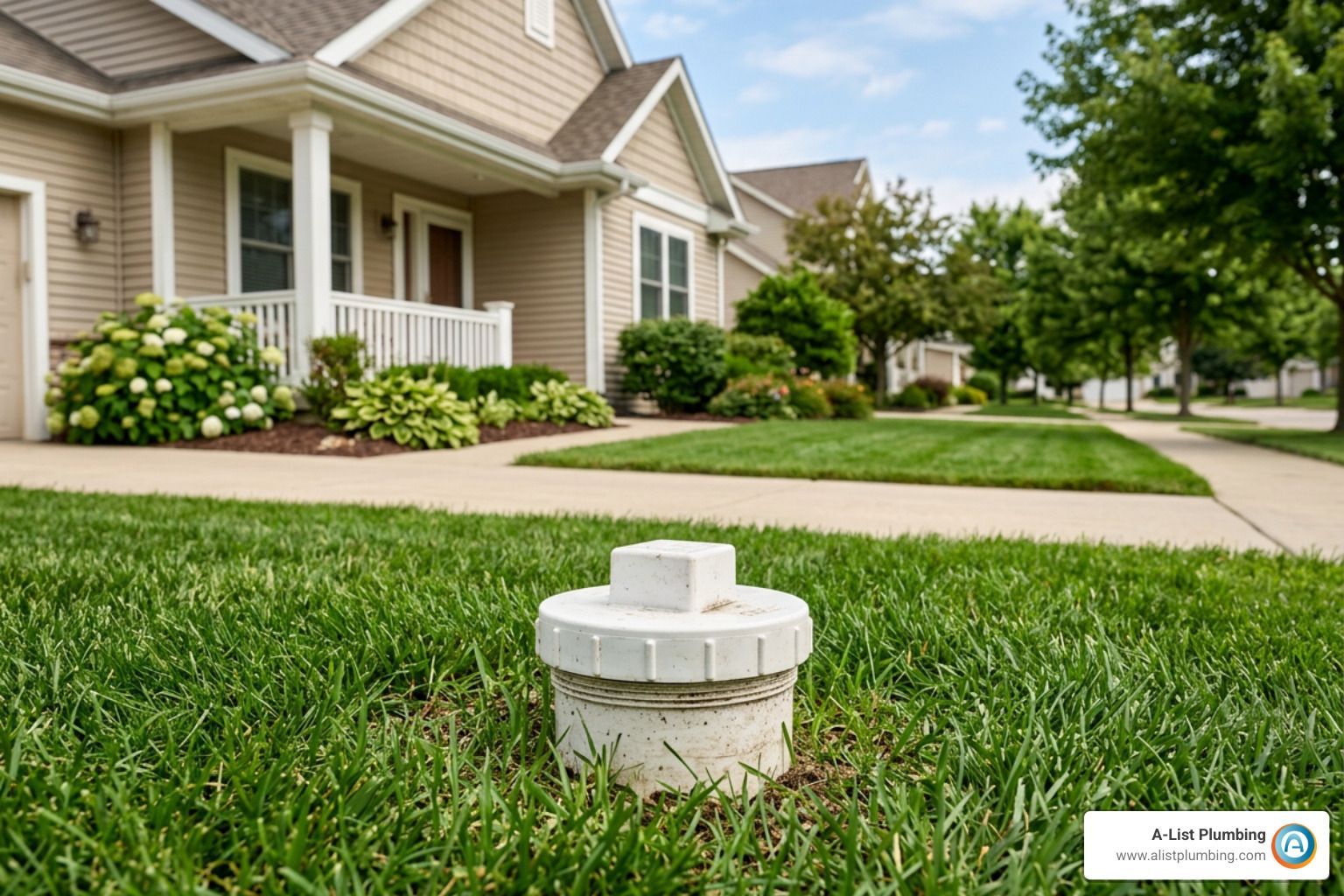
- Underground Tracing: Using specialized locators, we can trace the path of buried lines to find the exact spot where a pipe has failed due to soil acidity or tree root intrusion. This is a common service we provide for Gas Heat Repair in Edmonds WA.
Choosing a Reliable Gas Leak Plumber Near Me in Seattle
When you’re in the middle of a crisis, you don’t have time to vet dozens of companies. Look for these three pillars of a reliable service provider:
- 24/7 Availability: Gas leaks don't wait for business hours. You need a team that offers same-day availability and emergency response.
- Local Experience: A company that has spent 22 years working in the Greater Seattle area, like A-List Plumbing, understands the specific challenges of our local soil and climate.
- Transparent Pricing: You should never be hit with "surprise" fees during an emergency. Look for a company that provides clear, upfront estimates. If you're in the north end, look for Gas Heat Repair in Lynnwood WA specialists who prioritize honesty.
Understanding Gas Line Failure: Causes and Prevention
Why do gas lines leak in the first place? While these pipes are built to last, they aren't invincible.
- Corrosion: This is the #1 enemy of gas lines in the Pacific Northwest. Our damp soil can be acidic, which eats away at iron and steel pipes over time.
- Pipe Age: If your home’s gas lines are over 20 years old, they are at a significantly higher risk for cracks and joint failures.
- Tree Root Intrusion: Just like sewer lines, gas lines can be shifted or crushed by powerful tree roots searching for space.
- Accidental Excavation: Many leaks happen when a homeowner or contractor digs a garden bed or fence post hole without calling 811 to have the lines marked.
- Extreme Weather: While rare, severe shifting of the ground due to heavy saturation or seismic activity can pull joints apart.
Preventative Maintenance and Safety Testing
The best way to handle a gas leak is to prevent it from happening. We recommend:
- Annual Inspections: Have a professional check your gas connections and appliance flues once a year.
- Pressure Checks: If you've recently moved into an older home in Queen Anne or Magnolia, a system-wide pressure test can give you peace of mind.
- Carbon Monoxide Detectors: Ensure you have working CO detectors on every floor of your home and near all sleeping areas.
- Proactive Replacement: If your lines are approaching the 20-30 year mark, don't wait for a leak. Schedule an inspection to see if it’s time for an upgrade.
Repair vs. Replacement: Costs and Considerations
When a gas leak plumber near me identifies a problem, the next question is always: "Can we fix it, or do we need to replace it?"
A minor repair, such as tightening a loose fitting or replacing a small section of pipe, is often quick and affordable. However, if the pipe is corroded throughout, a "patch" is just a temporary band-aid on a sinking ship.
| Factor | Minor Repair | Full Line Replacement |
|---|---|---|
| Typical Cost | $150 - $500 | $1,000 - $5,000+ |
| Time Required | 1 - 3 Hours | 1 - 2 Days |
| Permits Needed | Sometimes | Almost Always |
| Longevity | Short-term (if pipe is old) | 30 - 50 Years |
When to Consider Full Gas Line Replacement
We often recommend full replacement in the following scenarios:
- Antiquated Materials: If you still have old "orangeburg" or unconditioned steel pipes that are prone to rapid decay.
- Multiple Leak Points: If we find two or more leaks during a pressure test, it’s a sign the entire line is failing.
- Home Renovations: If you are tearing out walls or upgrading to high-efficiency appliances, it is the perfect time to install modern, flexible gas piping (CSST).
- System-wide Corrosion: When the exterior of the pipe is flaking or pitted, the interior is likely just as bad.
Frequently Asked Questions about Gas Repairs
How much does gas leak repair typically cost?
In the Seattle area, most minor gas leak repairs fall between $150 and $1,000. The price depends on how easy it is to reach the leak (is it under a concrete slab or behind a kitchen cabinet?), the materials needed, and whether it’s an after-hours emergency call. We always provide transparent pricing so you know what to expect before we start.
Are gas leak repairs covered by home insurance or warranties?
Standard homeowners insurance typically does not cover repairs due to wear and tear or age. However, if a gas line is ruptured by a covered peril (like a fallen tree during a storm), you might have a claim. Some homeowners have "Service Line Coverage" as an add-on to their policy, which can be a lifesaver for underground repairs.
How long does a professional gas leak repair take?
Most residential gas leak repairs take between 1 and 6 hours. The "detection" phase takes the longest, as we must be 100% certain we've found every leak point. Once the repair is made, we must perform a pressure test. If the utility company "red-tagged" your system, you may need a city inspector to sign off on our work before the utility will turn the gas back on.
Conclusion: Safety First with A-List Plumbing
A gas leak is one of the few plumbing issues that simply cannot wait until morning. Whether you are in Seattle, Edmonds, or Lynnwood, the "hiss" is a signal that your home's safety is at risk.
At A-List Plumbing, we bring 22 years of experience to every emergency call. We understand the urgency, the technical requirements, and the need for a calm, professional hand when things get stressful. We offer same-day availability and transparent pricing to ensure your home is back to being a safe haven as quickly as possible.
If you suspect a leak, follow the evacuation steps above immediately. Once the area is safe, contact our team. We are your reliable gas leak plumber near me, serving the Greater Seattle area with expert care.
For more information on our emergency services, visit our Emergency Plumbing Services page. Whether it's Gas Heat Repair in Seattle WA or a simple inspection in Queen Anne, we are here to help.