

Is Your Bathroom Sink Draining Slowly? Here's What to Do
To unclog a bathroom sink drain, try one of these methods in order:
- Remove visible debris — pull hair and soap scum from around the stopper by hand
- Use baking soda and vinegar — pour 1/2 cup baking soda, then 1/2 cup vinegar; cover and wait 15 minutes; flush with hot water
- Plunge the drain — cover the overflow hole, add 3-4 inches of water, and plunge with a firm up-and-down motion for 20 seconds
- Use a hair clog remover tool — insert a zip-it or drain snake to snag and pull out deep hair clogs
- Clean the P-trap — place a bucket under the curved pipe below the sink, unscrew it, and clear any buildup
Most bathroom sink clogs can be cleared in under 30 minutes using tools you already have at home.
It's one of those small problems that sneaks up on you. One morning the water drains fine. A week later, you're standing in a puddle. That slow-draining sink is almost always caused by the same culprits — hair, soap scum, and toothpaste buildup — and in most cases, you don't need a plumber or any special products to fix it.
I'm Heath Shockman, owner of A-List Plumbing since 2011, and over the years I've seen hundreds of homeowners struggle to unclog bathroom sink drains that could have been cleared in minutes with the right technique. In this guide, I'll walk you through exactly what works — from the simplest fixes to the steps most people skip.

Common Causes and Tools to Unclog Bathroom Sink Drain
Before we roll up our sleeves, it helps to understand what we are fighting. Bathroom sinks are unique compared to kitchen sinks. While a kitchen drain deals with food and grease, the bathroom is the primary "collection zone" for hair and hygiene products.
Why Your Sink Is Clogged
The most common cause of a unclog bathroom sink drain issue is a "hair-and-soap-scum cocktail." As we wash our hair or shave, strands fall into the drain. Soap, toothpaste, and shaving cream act like a sticky glue, binding those hairs together into a thick, matted clump. Over time, this mass gets caught on the pop-up stopper or settles in the P-trap (the U-shaped pipe under your sink).

The DIY Toolkit
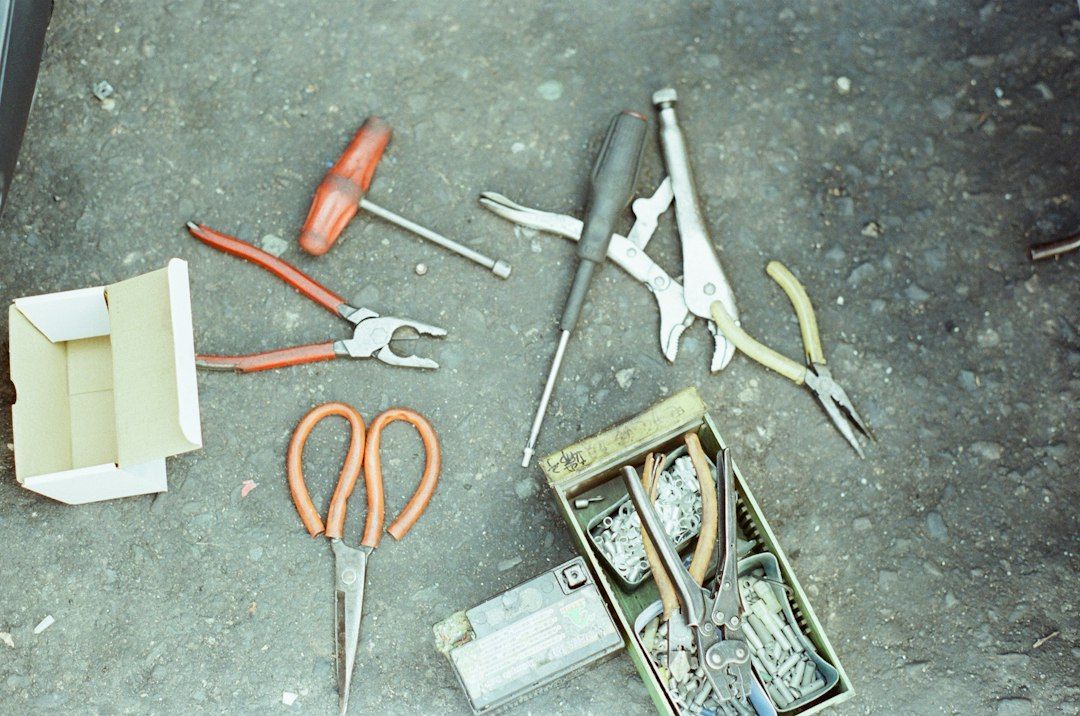
You don't need a professional van full of equipment to handle most clogs. In fact, we recommend keeping a few basic items in your cabinet for Bathroom Plumbing maintenance:
- A Plunger: Specifically a small sink plunger (cup plunger).
- Baking Soda and Vinegar: The classic natural cleaning duo.
- A Zip-Tool: A cheap, spiked plastic strip designed to snag hair.
- A Bucket and Rags: Essential for when things get messy.
- Needle-nose Pliers: Perfect for pulling hair off the stopper.
| Method | Best For | Effort Level | Success Rate |
|---|---|---|---|
| Baking Soda/Vinegar | Minor buildup & odors | Low | Moderate |
| Plunger | Standing water/blockages | Medium | High |
| Zip-Tool/Snake | Deep hair clogs | Medium | Very High |
| P-Trap Cleaning | Stubborn, heavy debris | High | Near 100% |
If you want to dive deeper into general drain maintenance, you can check out this guide on How to Unclog Any Drain.
3 Simple DIY Methods for Homeowners
When dealing with Clogged Drains in April 2026, we always suggest starting with the least invasive method first. There is no need to take your pipes apart if a little fizzing reaction can do the trick! According to experts, there are 5 Ways to Clear a Clogged Drain that every homeowner should know.
The Baking Soda and Vinegar Method
This is the "science experiment" method, and it is surprisingly effective for minor clogs and regular maintenance.
- Prep the Drain: Remove any standing water from the sink first.
- Add the Base: Pour about 1/2 cup of baking soda (sodium bicarbonate) directly down the drain.
- Add the Acid: Pour 1/2 cup of white vinegar (acetic acid) down after it.
- Seal it Up: Immediately cover the drain with a stopper or a rag. The reaction creates carbon dioxide gas, and you want that pressure to push downward into the clog rather than escaping up into the room.
- Wait and Flush: Let it sit for 15-20 minutes. Finish by pouring a kettle of very hot (but not boiling—see our safety notes below) water down the drain to flush away the loosened debris.
Using a Plunger to Unclog Bathroom Sink Drain
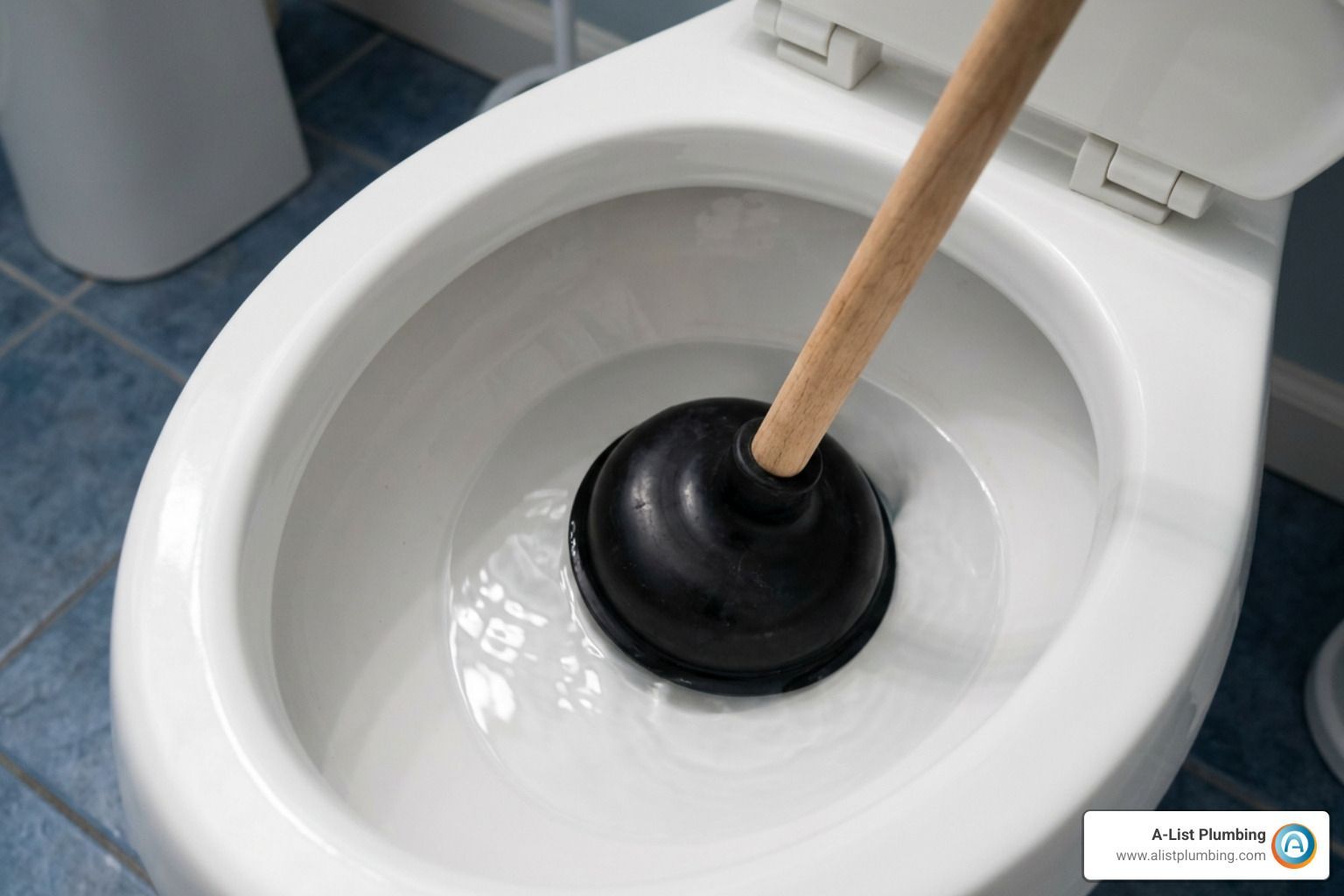
If the "fizz" didn't work, it's time for some manual pressure. Most people use a plunger incorrectly on a sink. Here is the secret to a successful plunge:
- The Overflow Hole: This is the small hole near the top of your sink. If you don't cover it, the air pressure you create with the plunger will just escape through that hole. Cover it tightly with a wet rag or your thumb.
- The Seal: Apply a small amount of petroleum jelly to the rim of the plunger to create an airtight seal.
- The Action: Fill the sink with 3-4 inches of water. Place the plunger over the drain and "roll" it on to ensure no air is trapped inside the cup. Plunge vigorously up and down for 20 seconds.
- The Pop: Pull the plunger away sharply. The sudden change in pressure often dislodges the clog.
For more visual details on this technique, Unclog a Sink, Shower or Tub Drain provides excellent step-by-step imagery.
Mechanical Fixes: Using a Snake to Unclog Bathroom Sink Drain
When hair is the culprit, suction and chemicals often fail because the hair is physically hooked onto the drain components. This is where a drain snake or a "zip-it" tool comes in.
If you are in the Seattle area and need Clog Drain Repair in Seattle WA, you've likely seen these tools in action. A zip-it is a long, flexible plastic strip with barbs. You simply slide it past the pop-up stopper, wiggle it, and pull it back. Be prepared: what comes out is usually pretty gross, but it's effective!
For deeper clogs, a manual drain auger (snake) can reach up to 25 feet. Feed the cable into the drain until you hit resistance, crank the handle to "hook" the material, and slowly retract it.
Advanced Steps: Cleaning the P-Trap
If you’ve tried plunging and snaking and the water still won’t budge, the blockage is likely sitting in the P-trap. This is the curved section of pipe directly under your sink. Its job is to hold a small amount of water to block sewer gases from entering your home, but it also acts as a "catch-all" for heavy debris and wedding rings!
How to Clean the P-Trap Safely
- Clear the Area: Empty everything out from under the sink.
- The Bucket: Place a bucket directly under the P-trap. There will be water inside the pipe, and you don't want it on your cabinet floor.
- Loosen the Nuts: Use your hands or a pipe wrench to loosen the slip nuts at both ends of the curved pipe.
- Remove and Clean: Pull the trap down and empty the contents into the bucket. Use a bottle brush or an old toothbrush to scrub the inside of the pipe.
- Reassemble: Slide the pipe back into place and tighten the nuts. Don't over-tighten, especially if the pipes are plastic (PVC).
If you find that your pipes are corroded or leaking during this process, you might need Clog Drain Repair in Lynnwood WA to replace the assembly. You can also find more technical details on trap maintenance at How to Unclog a Drain | Clogged Drain Pipe.
Safety Precautions and Prevention Tips
At A-List Plumbing, we want you to be a "Household Hero," but we also want you to stay safe.
- Protect Yourself: Always wear rubber gloves and safety goggles. If you previously poured a chemical cleaner down the drain, do not plunge. The plunger can splash that caustic liquid back into your eyes or onto your skin.
- Pipe Materials: If you have PVC (plastic) pipes, be careful with extremely hot water. While boiling water is often recommended, it can occasionally soften the glue in PVC joints or even warp thin plastic pipes if used excessively.
- Monthly Maintenance: To prevent future clogs, pour a cup of baking soda followed by hot water down your sink once a month. This helps dissolve soap scum before it can trap hair.
- Use a Strainer: A simple mesh drain strainer can catch hair before it ever enters the system. It’s the cheapest insurance policy you can buy for your plumbing.
If you are a resident in the Edmonds area, keeping up with these tips can save you from needing Clog Drain Repair in Edmonds WA during the busy holiday seasons.
Frequently Asked Questions about Bathroom Clogs
Is boiling water safe for all types of pipes?
Not necessarily. While boiling water is great for melting grease, it can be risky. If you have a porcelain sink, a sudden pour of boiling water can cause the porcelain to crack due to "thermal shock." For PVC pipes, we recommend using very hot tap water instead of a rolling boil to avoid damaging the seals or the pipe structure.
When should I call a professional for a clogged drain?
If you have tried all the methods above and the sink is still backed up, the clog is likely further down the main line. You should also call us if you notice "cascading" issues—for example, if you run the sink and the bathtub starts gurgling. This often indicates a venting issue or a main sewer line blockage that requires Drain Rooter Services.
Can I use a coat hanger to clear a sink?
Yes, a straightened wire coat hanger with a small hook bent into the end can work as a makeshift snake for shallow clogs near the stopper. Just be careful not to scratch the finish of your sink or push the clog deeper.
Conclusion
Learning how to unclog bathroom sink drain issues is a fundamental skill for any homeowner in Lynnwood, Seattle, or the surrounding areas. By following these steps, you can usually solve the problem yourself without spending a dime on professional services.
However, some clogs are just too stubborn for DIY tools. If you've reached the end of your rope (or your snake), A-List Plumbing is here to help. With 22 years of experience and same-day availability in the Greater Seattle area, we offer transparent pricing and expert solutions for all your Plumbing Services.
Whether it's a simple sink fix or a complex sewer repair, we've got you covered and are ready to help you get your home flowing smoothly again!