

When a Copper Water Pipe Is Leaking: What to Do First
Copper water pipe leaking is one of the most common plumbing emergencies homeowners face — and one of the most urgent. Left unchecked, even a small pinhole leak can cause serious water damage to floors, walls, and ceilings.
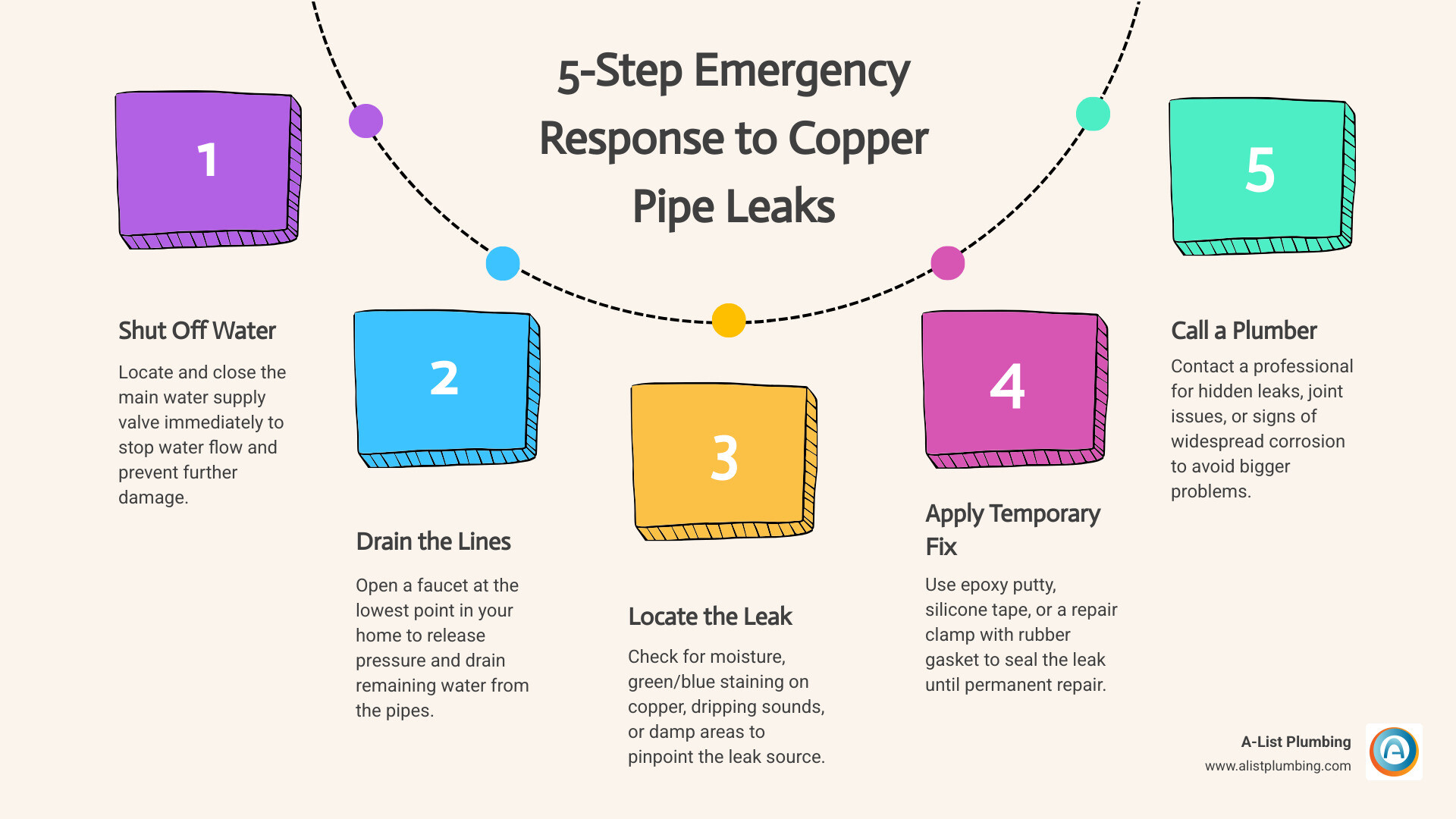
Here's what to do right now if your copper pipe is leaking:
- Shut off the main water supply valve immediately
- Open a faucet at the lowest point in your home to drain the lines
- Locate the leak — look for moisture, green or blue staining, or listen for dripping
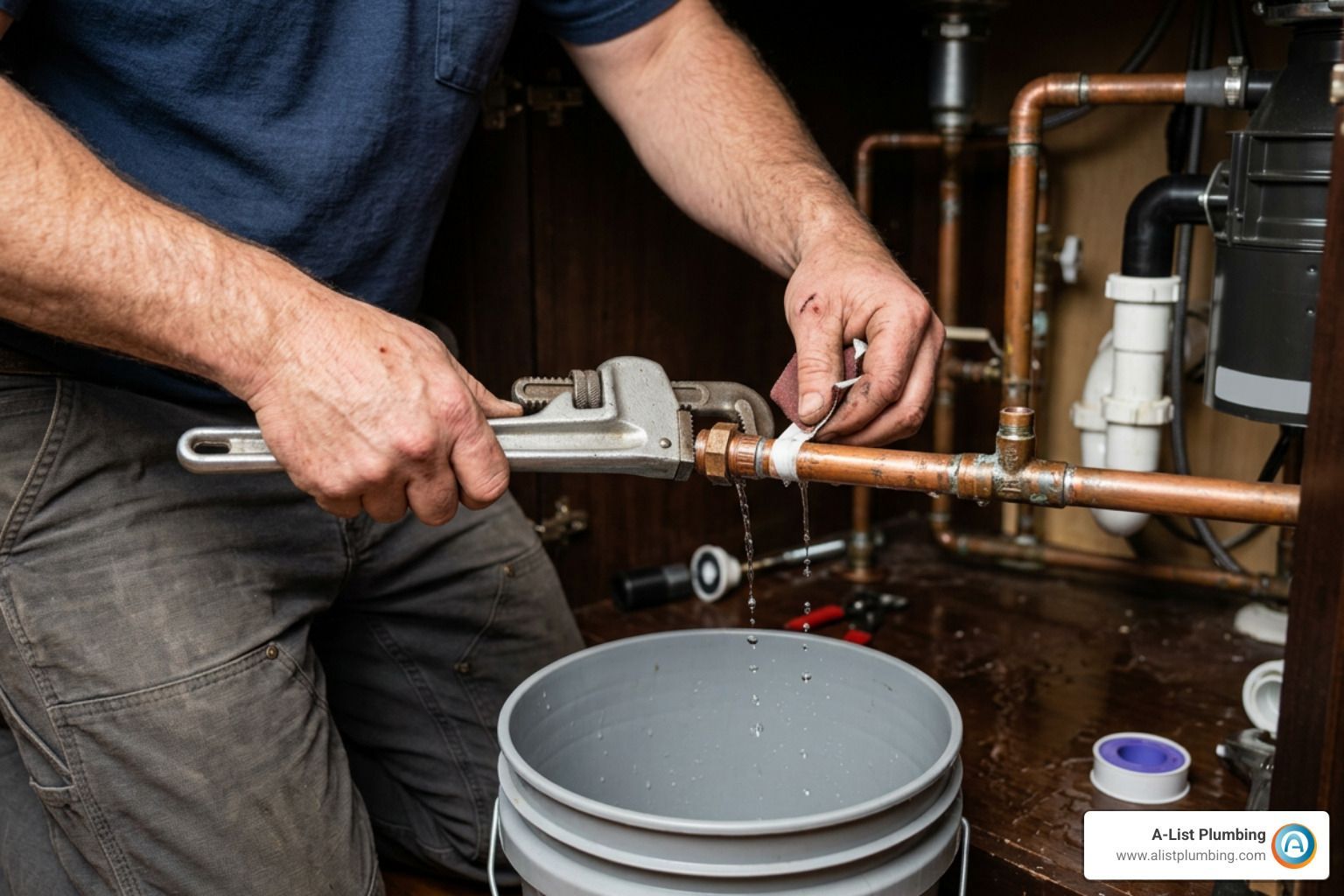
- Apply a temporary fix — a pipe repair clamp or epoxy putty can hold until a permanent repair is made
- Call a licensed plumber if the leak is hidden, near a joint, or if you see multiple problem areas
Copper pipes are durable — they can last anywhere from 50 to 70 years under normal conditions. But water chemistry, high pressure, and age all work against them over time. Pinhole leaks are especially sneaky: tiny on the outside, but often a sign of deeper corrosion within the pipe wall.
The good news? Many copper pipe leaks can be fixed with the right knowledge and a few basic tools — and this guide walks you through all of it.
I'm Heath Shockman, owner of A-List Plumbing, and I've been diagnosing and repairing copper water pipe leaking issues across the Greater Seattle area since 2011. From pinhole leaks in older suburban homes to burst pipes during Northwest freezes, my team has seen it all — so the advice in this guide is grounded in real-world experience.
Identifying a Copper Water Pipe Leaking in Your Home
Finding a leak isn't always as obvious as a geyser in the basement. In fact, most copper issues start small. Because copper is the most commonly used material for residential water supply lines, we see a lot of "silent" leaks in homes throughout Lynnwood and Bothell.
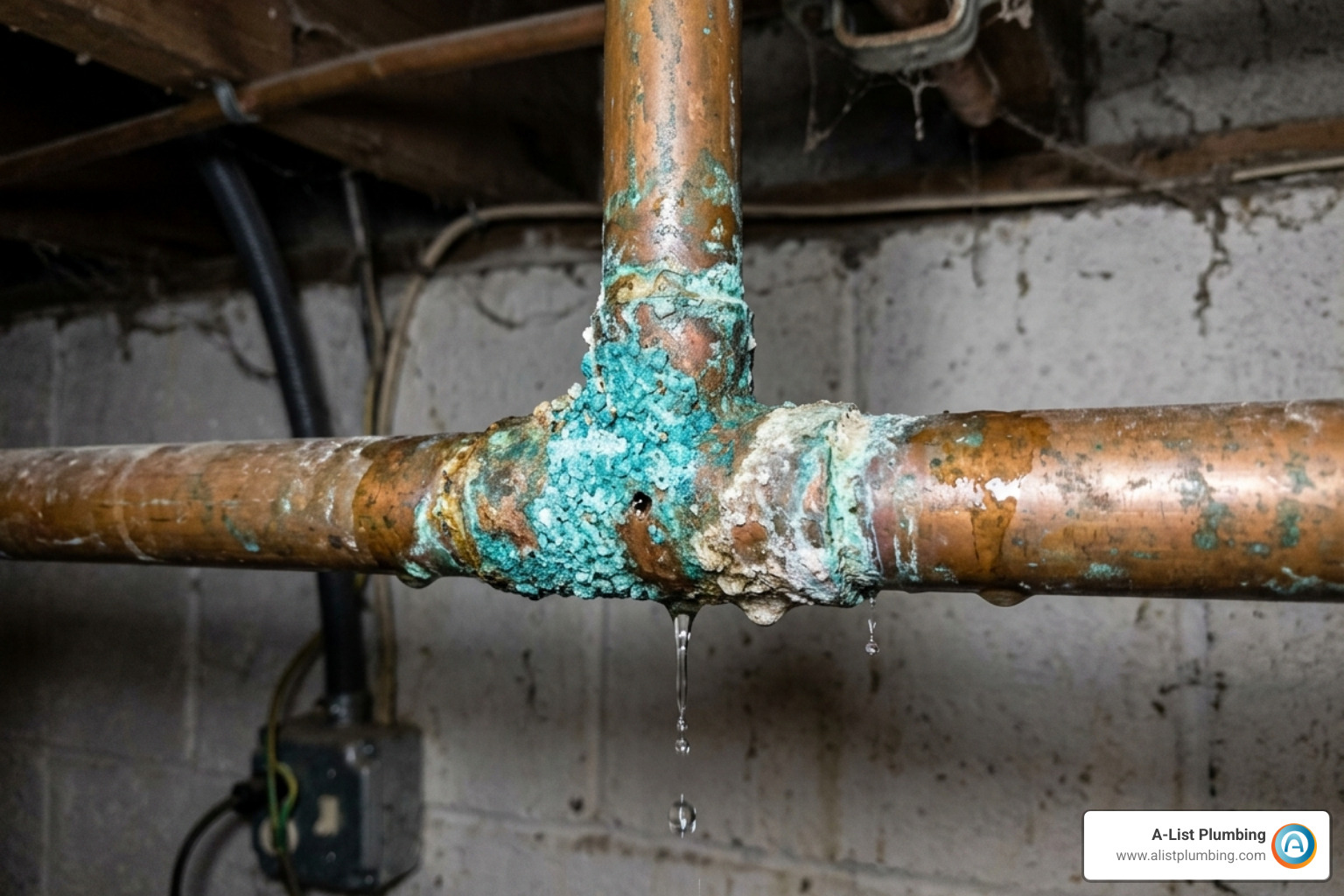
If you suspect a copper water pipe leaking behind your walls, keep an eye out for these early warning signs:
- Blue or Green Staining: This is the "smoking gun" of copper corrosion. When copper oxidizes due to a slow leak or high acidity, it leaves behind colorful mineral deposits on the pipe or the bottom of your sink.
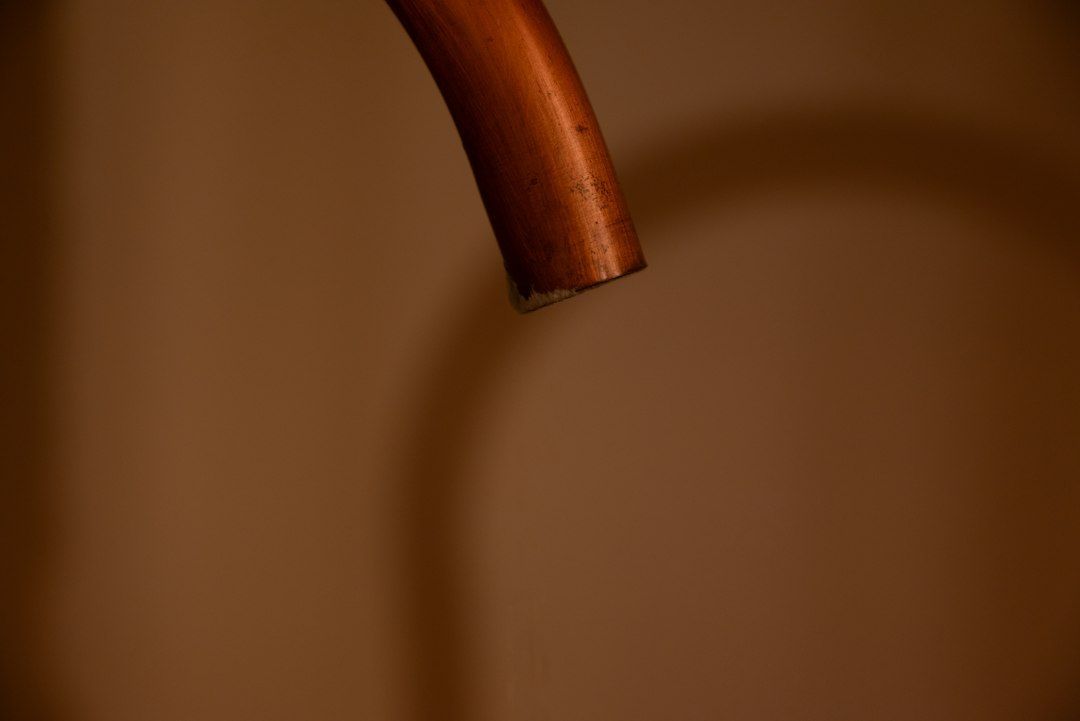
- Pinhole Leaks: These are tiny, often invisible holes. They might look like a single bead of sweat on the pipe, but they indicate the copper is thinning from the inside out.
- Musty Odors: If a wall smells earthy or damp, water is likely saturating the drywall.
- Unexplained High Water Bills: If your usage hasn't changed but the bill has climbed, you likely have a leak.
- Dripping Sounds: Turn off all appliances and listen. A faint, persistent ticking or dripping sound inside a wall is a red flag.
- Pipe Age: If your home was built more than 40 years ago and still has its original plumbing, the risk of failure increases significantly.
If you can't see the source but see the signs, professional Leak Detection is the safest way to pinpoint the problem without tearing down every piece of drywall in your house.
Common Causes of Copper Plumbing Failure
Why do these "indestructible" metal pipes fail? In our 22 years of experience serving the Shoreline and Edmonds areas, we’ve found that copper is highly sensitive to the environment around it.
- Water Chemistry (pH Levels): If the alkalinity of the municipal water supply dips below 7pH, the water becomes acidic. This acidity dissolves the protective inner layer of the pipe, leading to pitting corrosion.
- High Water Pressure: We recommend keeping your home's pressure below 60 PSI. Anything above that creates excessive "scrubbing" inside the pipe, especially at joints and elbows.
- Flux Residue: During installation, plumbers use flux to help solder flow. If too much is used and it isn't flushed out, that leftover acid eats the copper from the inside.
- Galvanic Reaction: This happens when copper touches a different metal (like a steel bracket or rebar). The electrical reaction between the two metals causes the copper to deteriorate rapidly.
- Stray Currents: If your home's electrical system isn't properly grounded, small amounts of electricity can travel through your pipes, causing "electrolysis" that creates pinhole leaks.
- Mineral Buildup and Turbulence: Hard water can create sediment that settles on the bottom of horizontal pipes, leading to localized corrosion.
When these factors combine, the pipe's integrity is compromised. At that point, simple patches won't work, and you'll likely need to discuss Lynnwood water line replacement options with a specialist.
How to Temporarily Stop a Copper Water Pipe Leaking
If you find a leak at 2:00 AM, you don't need a permanent fix immediately—you need to stop the water damage. Here is how to perform an emergency Broken Pipe Repair using common DIY materials.
The Epoxy Putty Method
Epoxy putty is a homeowner's best friend. It’s a two-part material that you knead together until it turns a uniform color.
- How to apply: Shut off the water and dry the pipe thoroughly. Scuff the area with sandpaper, apply the putty over the leak, and let it cure for about 25–30 minutes. It sets rock-hard and can buy you several days of time.
Pipe Repair Clamps and Gaskets
A repair clamp consists of a metal sleeve and a rubber gasket.
- How to apply: Place the rubber gasket directly over the hole. Wrap the metal clamp around the pipe and tighten the bolts. This is incredibly effective for straight sections of pipe and can handle over 100 PSI.
Silicone Tape (Self-Fusing)
Often called "Rescue Tape," this silicone wrap doesn't have adhesive. Instead, it bonds to itself when stretched.
- How to apply: Anchor the tape near the leak and wrap it tightly, stretching it to 300% of its length. The tension creates a watertight seal even if the pipe is slightly damp.
Note: These are temporary measures. They are not meant to last for years, and they should never be buried behind a permanent wall.
Step-by-Step Permanent Repair Methods
When you’re ready to move past the "Band-Aid" phase, you have two main choices: the traditional fire-and-metal approach (soldering) or the modern "push-to-connect" method.
Soldering and Sweating a Copper Water Pipe Leaking
Soldering, also known as "sweating," uses capillary action to pull molten metal into a joint. This is the gold standard for expert water line repair and replacement.
- Cut the Pipe: Use a dedicated copper tube cutter for a square, clean cut.
- Deburr: Use a deburring tool or a round file to remove the sharp internal lip created by the cut. This prevents water turbulence.
- Clean to a Shine: Use emery cloth or a wire brush to clean the outside of the pipe and the inside of the fitting until they are bright and shiny.
- Apply Flux: Brush a thin layer of lead-free soldering flux onto both surfaces.
- Heat and Solder: Use a propane torch to heat the fitting (not the pipe). Once the flux sizzles, touch the lead-free solder to the joint. If it’s hot enough, the solder will be sucked into the joint.
- Cool Naturally: Don't spray it with water; let it cool on its own to avoid "cold joints" that might leak later.
Solder-Free Solutions: SharkBite and Compression Fittings
If the idea of using a blowtorch near your wooden floor joists makes you nervous, you aren't alone. Modern DIY copper pipe repair solutions have made plumbing much more accessible.
- SharkBite (Push-to-Connect): These fittings use a "grab ring" and an O-ring. You simply push the pipe into the fitting until it clicks. They are permanent, rated for underground use, and allow for transitions between copper and PEX.
- Compression Fittings: These use a brass nut and a ring (called a ferrule). As you tighten the nut with a wrench, the ferrule is crushed onto the pipe, creating a seal. These are great for valves but should be used sparingly on long pipe runs.
Repair vs. Repiping: Costs and Professional Advice
A common question we get in Seattle and Edmonds is: "Should I just fix this one leak or replace everything?"
If your home is over 40 years old and you’ve had more than two leaks in the last year, you are likely dealing with systemic corrosion. In this case, spot repairs are just a game of "Whack-a-Mole."
| Factor | Spot Repair | Full Home Repipe |
|---|---|---|
| Average Cost | $250 – $850 | $4,500 – $15,000 |
| Time Required | 1 – 3 hours | 1 – 3 days |
| Longevity | Temporary/Localized | 50+ years |
| Material | Copper | PEX-A or Type L Copper |
| Best For | Isolated damage (freezing) | Aging systems / Multiple leaks |
The average professional repair for a copper water pipe leaking costs about $500. However, if you are constantly paying for Broken Pipe Repair, that money is better spent on a long-term solution. Many homeowners now opt for PEX-A for house repiping services because it is flexible, freeze-resistant, and won't corrode like copper.
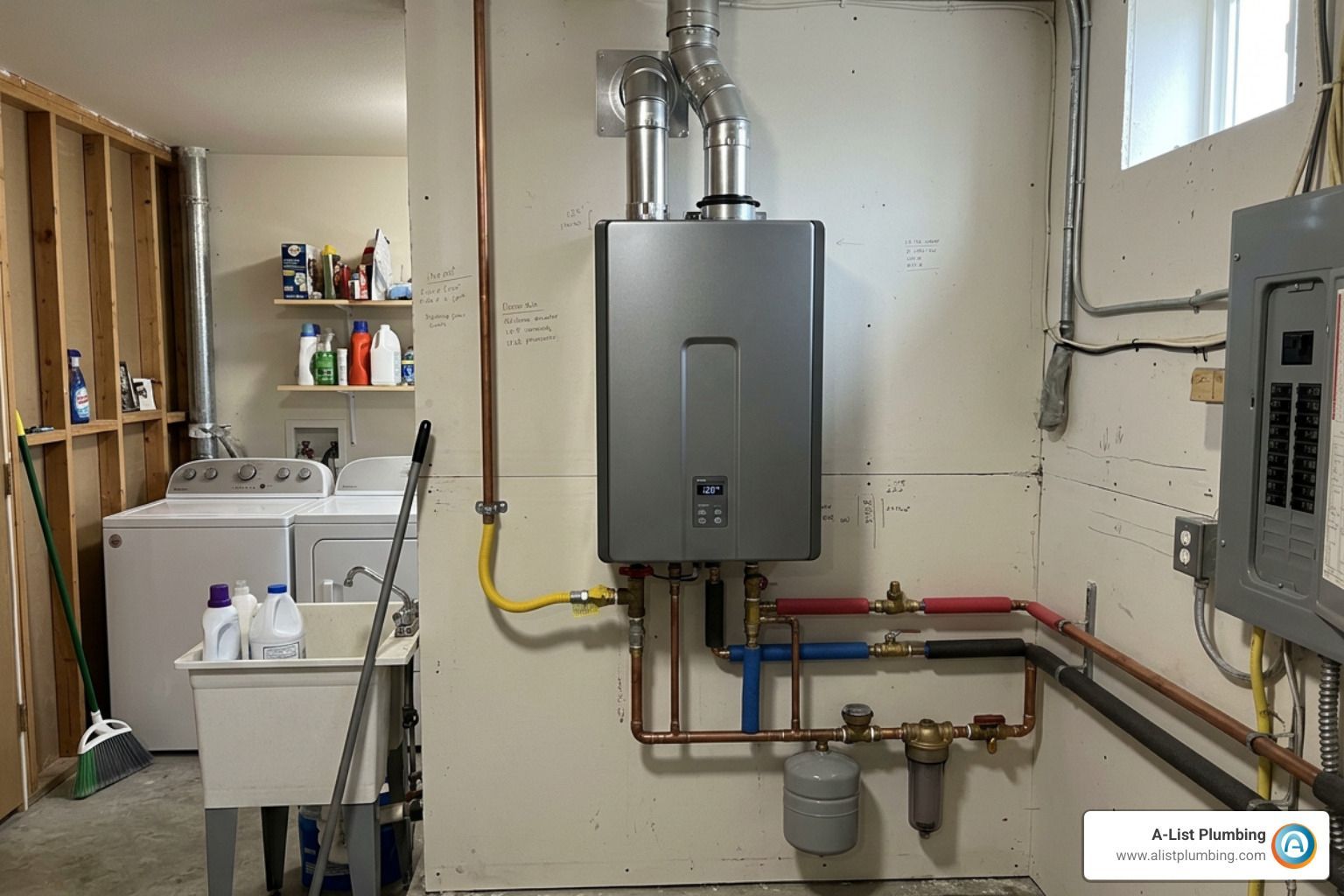
Additionally, don't forget your appliances. Often, a leak in a copper line near the water heater can be a sign of Water Heater Leaks or excessive thermal expansion in the tank itself.
Preventive Maintenance for Long-Term Pipe Health
You can significantly extend the life of your copper pipes by managing the "stressors" in your plumbing system.
- Install a PRV (Pressure Reducing Valve): If your street pressure is high, a PRV keeps your home at a safe 50–60 PSI.
- Water Softeners and Neutralizers: If your water is acidic (low pH), a neutralization system can balance the chemistry before it enters your copper lines.
- Pipe Insulation: In the Greater Seattle area, winter freezes are a major cause of burst pipes. Insulate any copper lines in crawlspaces or attics.
- Check Your Grounding: Ensure your electrical system isn't using your water pipes as its primary ground, which can lead to rapid electrolysis.
- Annual Inspections: A quick visual check once a year can catch those blue-green stains before they turn into a flood.
Frequently Asked Questions about Copper Leaks
How long do copper pipes typically last before leaking?
In ideal conditions, copper can last 50 to 70 years. However, in areas with acidic water or high pressure, we often see copper water pipe leaking issues start as early as 20 years. If your pipes are over 40 years old, you should be on high alert.
Can I fix a leaking copper pipe without soldering?
Yes! SharkBite (push-fit) and compression fittings are permanent, code-approved ways to fix a leak without a torch. For temporary fixes, epoxy putty and repair clamps work well.
Why does my copper pipe have tiny green spots?
Those green spots (verdigris) are signs of slow, "weeping" leaks. The water evaporates before it hits the floor, leaving the minerals behind. This is a warning that a pinhole leak is forming and the pipe needs attention immediately.
Conclusion
Dealing with a copper water pipe leaking can be stressful, but you don't have to face it alone. Whether you're attempting a DIY fix with a SharkBite fitting or you've decided it's time for a full home repipe to protect your investment, taking action early is the key to preventing catastrophic water damage.
At A-List Plumbing, we bring 22 years of experience to every job, from Lynnwood to downtown Seattle. We pride ourselves on transparent pricing, same-day availability for emergencies, and a deep understanding of the unique plumbing challenges in the Pacific Northwest.
If you're worried about the state of your copper pipes or need an expert to handle a difficult repair, we're here to help. More info about our plumbing services is just a click away. Don't let a small drip turn into a big disaster—let's get your plumbing back to "A-List" status today.