

When Every Minute Counts: What to Do About a Water Leak Right Now
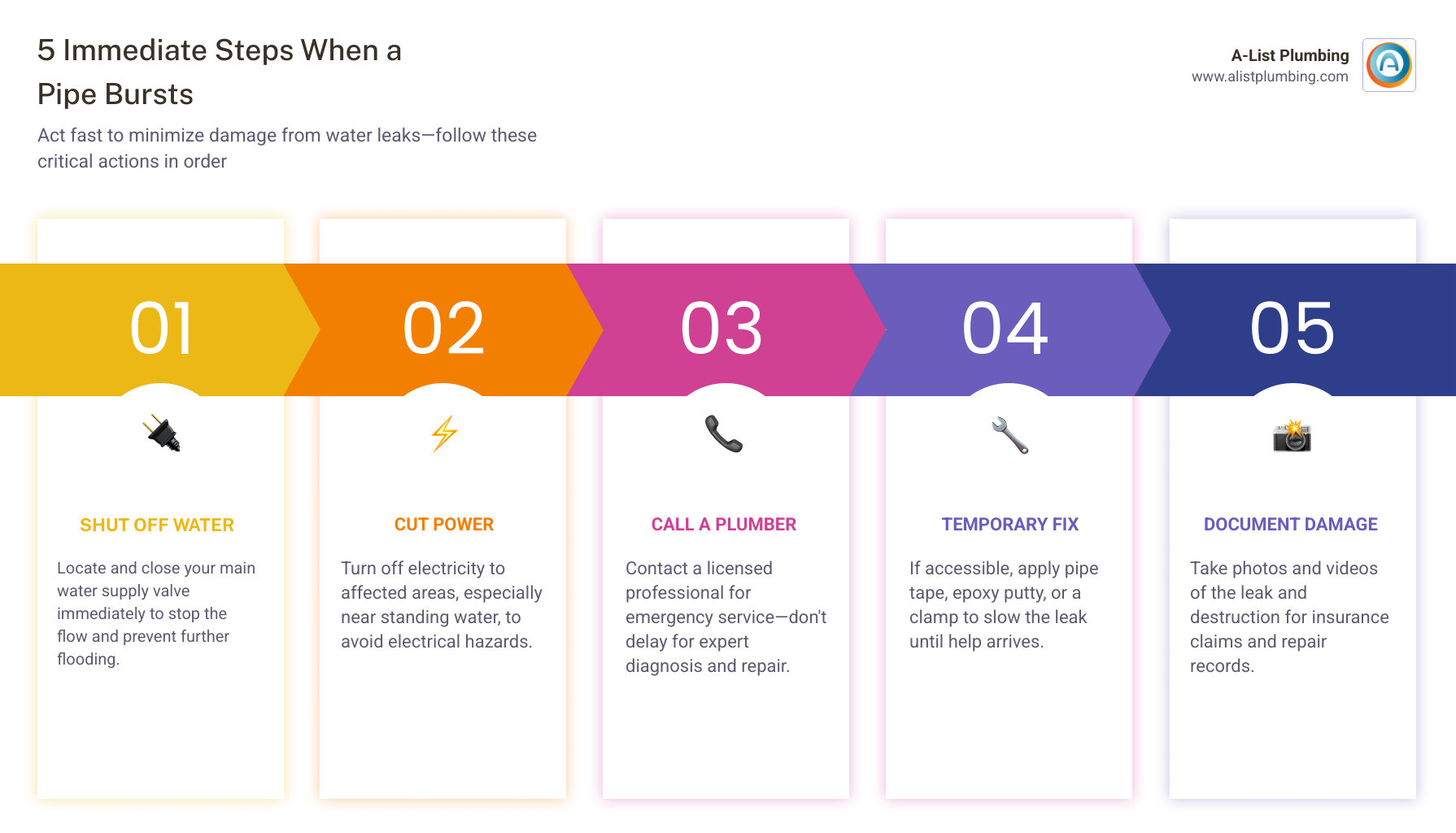
If you need plumber water leak repair, here's what to do immediately:
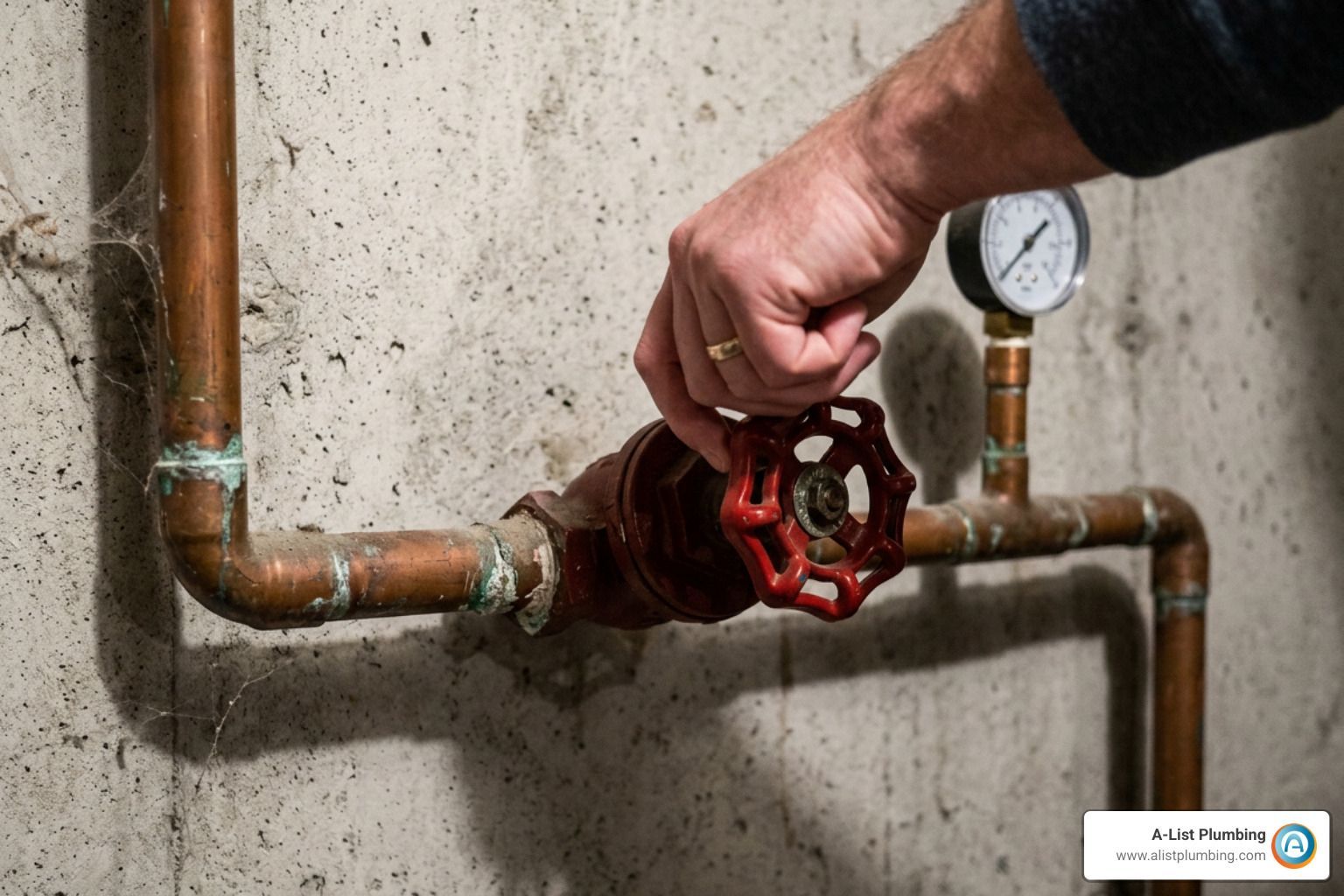
- Shut off your main water supply valve to stop water flow
- Turn off electricity near the affected area if water is close to outlets or panels
- Call a licensed plumber for same-day emergency service
- Apply a temporary fix(pipe tape, epoxy putty, or a clamp) if the leak is accessible and minor
- Document the damage with photos for your insurance claim
That dripping sound at 3 a.m. is never just a dripping sound. A slow leak can quietly add hundreds of dollars to your water bill each month. A hidden pipe failure behind your wall can fuel mold growth in as little as 24 hours. And a burst pipe? That can turn a normal Tuesday into a disaster zone before your coffee is done brewing.
Water leaks don't wait for a convenient time. They start small, travel fast, and cause damage far from where they actually originate — inside walls, under floors, beneath your foundation. By the time you see the evidence, the real problem has often been growing for weeks.
I'm Heath Shockman, owner of A-List Plumbing since 2011, and plumber water leak repair is one of the most urgent calls we handle across the Greater Seattle area — from burst pipes in freezing weather to slow slab leaks caused by our region's shifting soil and invasive tree roots. This guide will walk you through exactly what to do, step by step.
Identifying the Culprit: Common Signs of a Water Leak
Finding a leak isn't always as obvious as a geyser in the front yard. In fact, many of the most damaging leaks are the ones you can't see. Because water naturally seeks the lowest point, a puddle in your kitchen might actually be coming from a pipe failure ten feet away inside a wall.

If you live in the Pacific Northwest, you’re already dealing with high moisture levels. This makes spotting the subtle signs even more critical. Keep an eye out for:
- Sky-High Water Bills: If your usage hasn't changed but your bill has spiked, you likely have a "silent" leak. Even a slow drip can increase a water bill by $20 to $150 a month.
- Musty Odors: That "old basement" smell in your living room is often a sign of mold or mildew growing behind the drywall.
- The Sound of Running Water: If you hear hissing, splashing, or trickling when all your faucets are off, water is escaping somewhere.
- Moving Water Meter: Check your water meter, wait two hours without using any water, and check it again. If the needle moved, you have a leak.
- Foundation Cracks: In places like Shoreline or Edmonds, shifting soil can put pressure on your foundation, leading to Leak Detection in Seattle WA needs for pipes running under the concrete.
Spotting a Hidden Plumber Water Leak Repair Need
Hidden leaks are masters of disguise. You might notice ceiling spots that look like tea stains or warped cabinets under the kitchen sink. If you feel damp carpets or see wall discoloration, don't wait. These are signs that the structural integrity of your home is being compromised.
At A-List Plumbing, we utilize Leak Detection in Lynnwood WA techniques that find the exact source without tearing your whole house apart. We look for peeling paint or bubbling wallpaper, which are classic signs that moisture is trapped between the wall and the finish.
Regional Factors and Pipe Stress
In the Greater Seattle area, our environment plays a huge role in plumbing health. Shifting soil(especially clay-rich pockets) can cause underground pipes to bend and crack. Our humidity levels mean that once a leak starts, mold growth is almost guaranteed within 24 to 48 hours.
Furthermore, our freezing temperatures in the winter are the primary cause of Leak Detection in Edmonds WA calls for burst exterior pipes. Aging infrastructure in historic neighborhoods also means many homes are still running on galvanized steel pipes that are corroding from the inside out.
Professional Plumber Water Leak Repair: Detection and Process
When we arrive for a plumber water leak repair, our goal is "surgical precision." Gone are the days of smashing through every wall to find a drip. Modern technology allows us to "see" through surfaces.
Advanced Tools for Accurate Plumber Water Leak Repair
We use a variety of high-tech gadgets to pinpoint the problem:
- Acoustic Sensors: These high-sensitivity microphones allow us to hear the specific frequency of water escaping a pressurized pipe, even through concrete.
- Infrared (Thermal) Cameras: These cameras detect temperature differences. A cold spot on a wall often indicates a hidden water leak.
- Video Inspections: For sewer and drain lines, we send a waterproof camera down the pipe to see cracks or root intrusions directly.
- Moisture Meters: These help us determine exactly how far water has spread into your subflooring or studs.
Using these non-invasive methods, we can often find a Broken Pipe Repair need without causing unnecessary property damage.
The Step-by-Step Repair Workflow
Once we've located the leak, our process is straightforward and transparent:
- Water Shut-off: We ensure the system is depressurized so we can work safely.
- Damage Assessment: We determine if a simple spot repair will work or if the pipe material is so degraded that a larger section needs replacement.
- Pipe Access: We make the smallest opening possible to reach the damaged area.
- Component Replacement: We replace the failed section with high-quality materials (like PEX or copper) that meet current building codes.
- System Testing: We turn the water back on and monitor the repair under full pressure to ensure it’s 100% sealed.
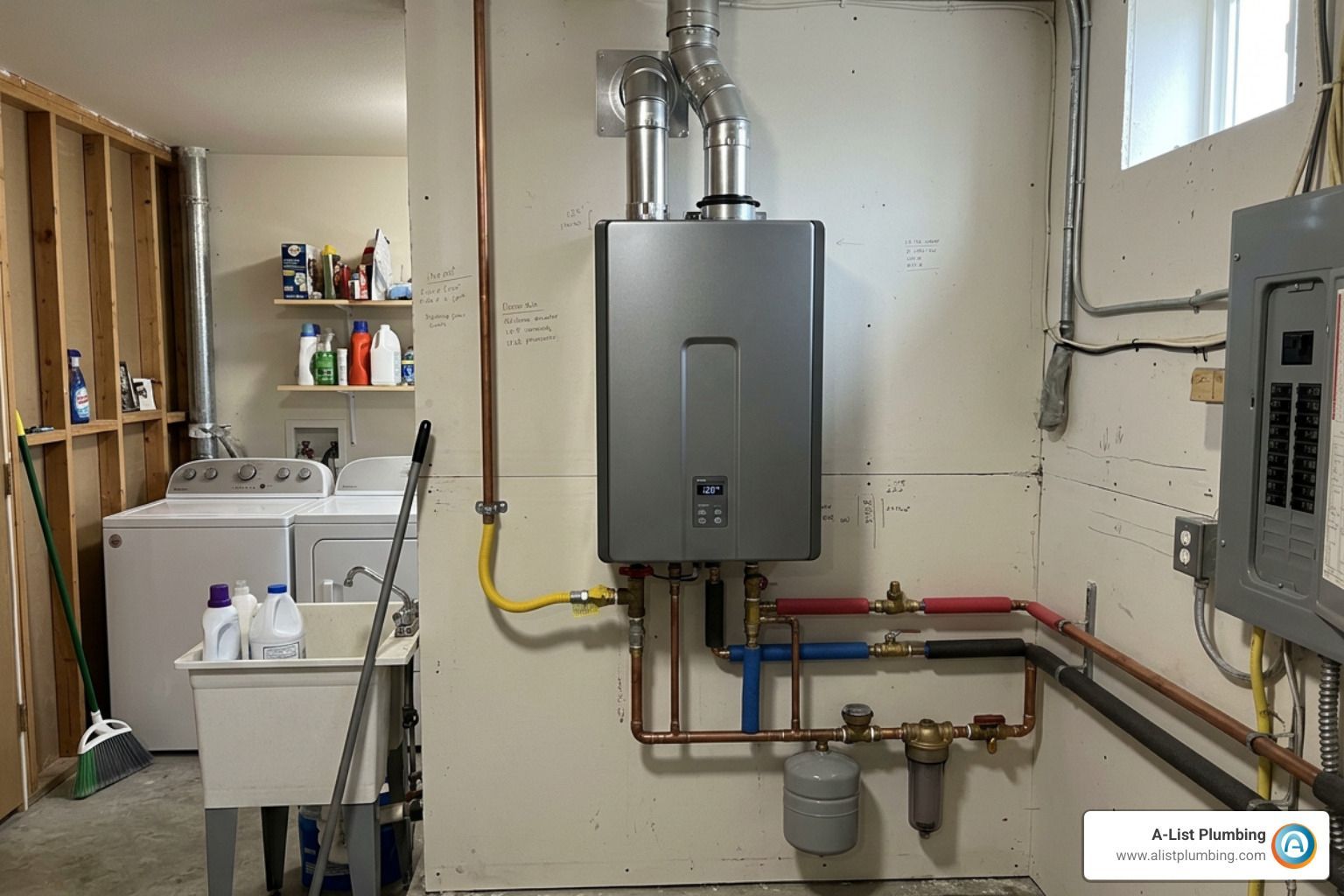
- Maintenance Advice: We’ll let you know if we see other "ticking time bombs" in your system, like high water pressure or aging Water Heater Leaks.
DIY First Aid: Temporary Fixes Until the Pro Arrives
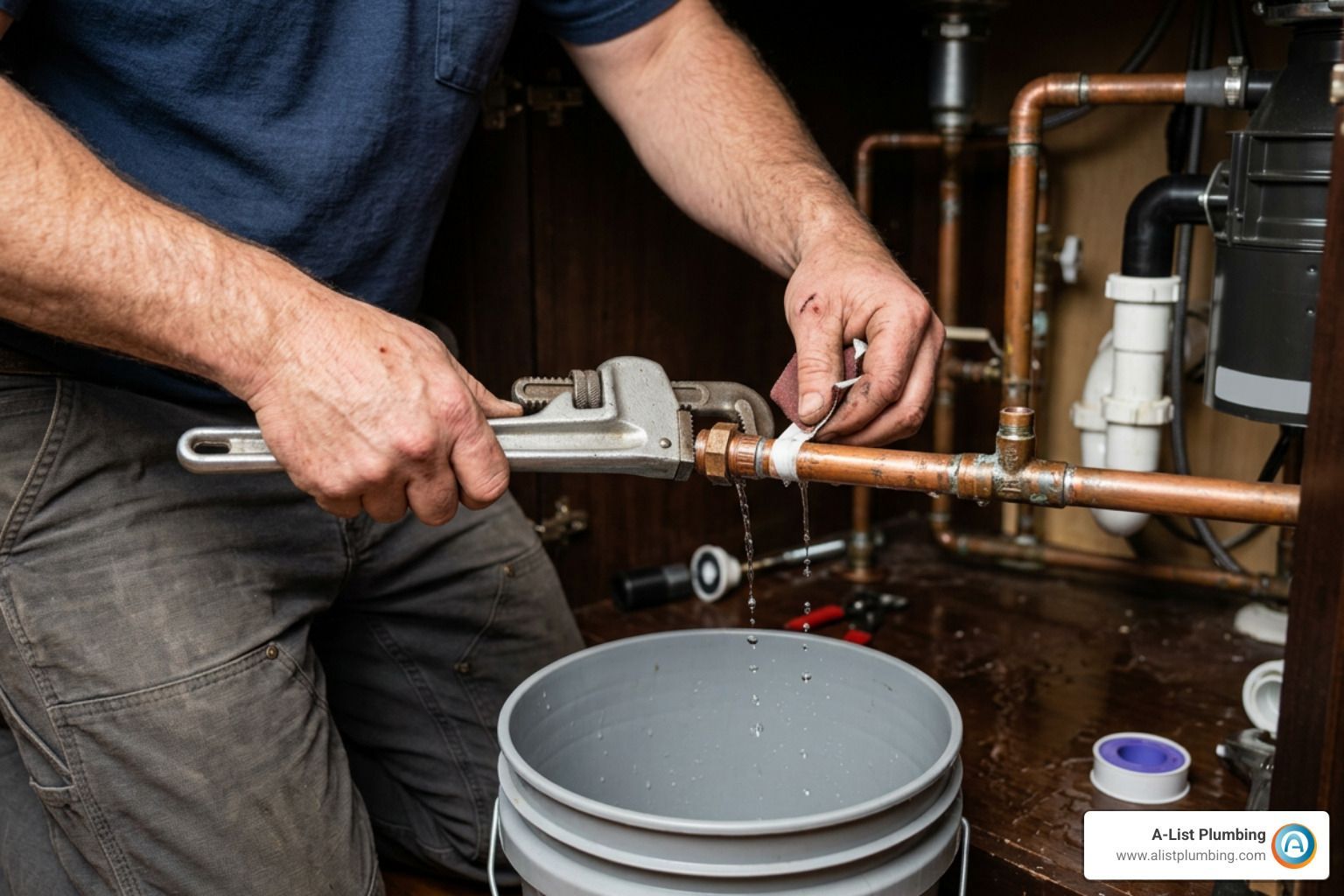
If you’re staring at a spray of water, you need to act fast. While these aren't permanent solutions, they can save you thousands in restoration costs while you wait for us to arrive.
- Main Shut-off Valve: Everyone in the house should know where this is. Usually, it's near the water meter or where the main line enters the house. Turn it clockwise to stop all water.
- Pipe Tape (Teflon or Self-Fusing): For tiny pinhole leaks, wrapping self-fusing silicone tape tightly around the pipe can slow or stop the flow temporarily.
- Epoxy Putty: This is a "play-dough" like substance that hardens into a seal. It works well on joints or small cracks once the pipe is dry.
- Repair Clamps: Available at most hardware stores in Lynnwood or Seattle, these consist of a metal sleeve and a rubber gasket that bolts over the leak.
Safety First: If the leak is near an outlet, breaker box, or any electrical fixture, do not touch the water or the pipe until the power is off. Use a non-contact voltage tester if you're unsure.
| Fix Type | Best For | Durability | Professional Needed? |
|---|---|---|---|
| Pipe Tape | Tiny pinholes | Very Low (Hours) | Yes, immediately |
| Epoxy Putty | Small cracks/joints | Low (Days) | Yes, for permanent fix |
| Repair Clamp | Straight pipe leaks | Medium (Days/Weeks) | Yes, to prevent recurrence |
| Professional Repair | All leak types | High (Decades) | This is the permanent fix |
The True Cost of Neglect: Risks and Repair Expenses
Ignoring a leak is one of the most expensive mistakes a homeowner can make. Statistics show that the average cost for plumber water leak repair ranges from $275 to $1,500. However, the cost of not fixing it can be ten times that amount.
- Structural Integrity: Water swells wood, causing floors to buckle and baseboards to peel. Over time, it can rot the very studs holding up your house.
- Mold Health Risks: Mold can start growing just 24 hours after water exposure. This can lead to respiratory issues, especially for children and the elderly. According to the Environmental Protection Agency (EPA), moisture control is the most effective way to prevent mold growth in your home.
- Water Heater Dangers: A leaking water heater isn't just a mess; it can be a fire hazard if it's an electric model, or a carbon monoxide risk if it's gas. Most tank-type heaters only last 7 to 10 years.
- Foundation Collapse: Especially with slab leaks, water can wash away the soil under your home, creating sinkholes that cause your foundation to shift and crack.
We understand that unexpected repairs can be a stressor. That’s why we offer transparent pricing and can discuss financing options to ensure your home stays safe without breaking the bank.
Frequently Asked Questions about Water Leaks
How can I prevent future plumbing leaks?
Prevention is always cheaper than repair. We recommend:
- Annual Inspections: Let us check your joints, valves, and water heater once a year.
- Pressure Regulators: High water pressure (above 80 psi) acts like a hammer on your pipes. Installing a regulator can double the life of your plumbing.
- Winterization: In the Seattle area, always disconnect garden hoses and insulate outdoor faucets before the first frost.
- Smart Leak Detectors: These devices can alert your phone the second they detect moisture, and some can even shut off your water automatically. For residents needing Leak Detection in Bothell WA, this is a great investment.
Does homeowners insurance cover the cost of the repair?
This is a common question. Generally, insurance covers sudden and accidental damage — like a pipe that bursts overnight. They often pay for the "ensuing damage" (drying out the floors, replacing drywall). However, they typically do not cover the cost of the plumbing repair itself, nor do they cover damage from "gradual" leaks that were neglected for months. Always document the leak with photos and keep your repair receipts.
How long do different types of plumbing pipes typically last?
Every material has a "sell-by" date:
- Copper: 50–70 years. It’s durable but susceptible to pinhole leaks from acidic water.
- PEX: 40–50 years. It’s flexible and resistant to freezing, making it a favorite for modern Seattle homes.
- Galvanized Steel: 20–50 years. These are the most problematic; they rust from the inside, restricting water flow and eventually springing leaks. If your home was built before 1970 and hasn't been repiped, you’re likely on borrowed time.
Conclusion: Don't Wait for the Rowboat
A water leak is a race against the clock. What starts as a "drip... drip... drip" at 3:30 a.m. can quickly evolve into a flooded basement or a mold-infested wall. At A-List Plumbing, we’ve spent the last 22 years helping our neighbors in Lynnwood, Edmonds, Shoreline, Bothell, and Seattle stay dry.
We take pride in our same-day availability and transparent pricing. We don't believe in "phone quotes" that change once we arrive; we provide honest assessments and expert repairs that stand the test of time.
If you suspect a leak, or if you're currently standing in an inch of water, don't wait. Contact us for Emergency Plumbing Services today. We’ll help you stop the flow and protect your home for years to come.